

Bone Marrow Transplant in India at Fortis Hospitals
Led by North India's most experienced BMT specialist with 2,500+ transplants, Fortis FMRI Gurugram is one of the region's largest bone marrow transplant centres treating leukaemia, thalassaemia, and aplastic anaemia.


Why International Patients Choose Fortis for Bone Marrow Transplant in India
At Fortis, haploidentical transplants achieve 65% 3-year survival in paediatric patients and 55% in adults for AML and ALL.
- 2,500+ stem cell transplants performed by Dr. Rahul Bhargava at Fortis Gurugram
- Treats leukaemia, thalassaemia, aplastic anaemia, and lymphoma for int’l patients from 175 countries.
- HEPA-filtered transplant units, 1:1 nursing, and a 22-bedded network programme
- Economic Times Health Award 2024 for excellence in leading one of India's largest BMT programmes.
- One of the few centres in India performing matched unrelated donor (MUD) transplants for thalassaemia.
- First in India to perform stem cell transplants for multiple sclerosis.
Bone Marrow Transplant Technology at Fortis Hospitals India
- HEPA-Filtered Isolation Rooms (0.2 Micron)
- Positive Pressure Air Handling Units (AHU)
- Peripheral Blood Stem Cell Apheresis
- HLA Typing and Donor Matching Laboratory
- 6-Parameter ICU Monitoring Per Room
- Reduced-Intensity Conditioning Protocols
Types of Bone Marrow Transplant at Fortis Hospitals India for International Patients
Comprehensive bone marrow and stem cell transplant services Allogeneic bone marrow transplant
Bone marrow transplant using stem cells from a matched sibling or unrelated donor to replace diseased bone marrow with healthy cells.
Inquire
Allogeneic bone marrow transplant
Bone marrow transplant using stem cells from a matched sibling or unrelated donor to replace diseased bone marrow with healthy cells.
Inquire
 Autologous bone marrow transplant
Transplant using the patient's own previously harvested stem cells, commonly used to treat lymphoma and multiple myeloma.
Inquire
Autologous bone marrow transplant
Transplant using the patient's own previously harvested stem cells, commonly used to treat lymphoma and multiple myeloma.
Inquire
 Autologous Stem Cell Transplant
Transplant using the patient's own stem cells collected, stored, and reinfused after high-dose chemotherapy to restore bone marrow function.
Inquire
Autologous Stem Cell Transplant
Transplant using the patient's own stem cells collected, stored, and reinfused after high-dose chemotherapy to restore bone marrow function.
Inquire
 Allogeneic Stem Cell Transplant
Transplant using matched donor stem cells to replace diseased bone marrow, used for leukaemia, lymphoma, MDS, and inherited blood disorders.
Inquire
Allogeneic Stem Cell Transplant
Transplant using matched donor stem cells to replace diseased bone marrow, used for leukaemia, lymphoma, MDS, and inherited blood disorders.
Inquire
Insurances Accepted
Explore insurances accepted at Fortis Hospitals Aetna
Aetna
 Allianz Partners
 Asia Rescue Medical Services
.jpg) Asian Travel And Medical Services (ATMS)
Asian Travel And Medical Services (ATMS)
 Assist Card
 East West Rescue
 Falck Global Assistance
 Falck India Insurance
 Paramount Health
 Paramount Healthcare Insurance
 Prestige International
.jpg) WellBe Medic and Insurance Brokers (Thailand)
WellBe Medic and Insurance Brokers (Thailand)
Discover your insurance options at Fortis Hospitals
Looking for a specific insurance provider? Simply use our search function or contact us for assistance and our knowledgeable team will happily verify whether your provider is accepted at our facility.
Ask about your insuranceCare Journey for International Patients
Your treatment journey made simple and stress-free in 5 easy steps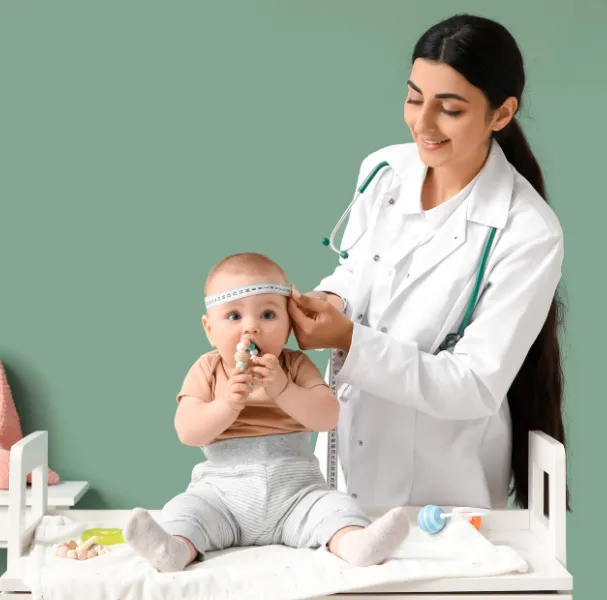
-
1
Online inquiry & medical files upload Share your medical reports for review. It takes less than a minute.
-
2
Doctor review & treatment plan Within 24hrs you will receive treatment options & a preliminary plan before travel.
-
3
Travel coordination We arrange your visa, flights, and accommodation.
-
4
Treatment phase Full care under a dedicated case manager.
-
5
Start your treatment Begin treatment with full support from our care team.
Frequently Asked Questions
Have a question? Our support team is here to guide you through each step of your treatment journey with personal care and attention.Do I need a matched donor before I can start the BMT process at Fortis?
No. Fortis offers transplant options for patients without a fully matched donor.
If you do not have a matched sibling, Fortis can access international bone marrow registries to search for a matched unrelated donor (MUD). If no registry match is found, a haploidentical transplant using a parent, child, or sibling as a half-matched donor is available.
Fortis Gurugram is one of the few centres in India performing MUD transplants specifically for thalassaemia. Your donor situation is assessed as part of the pre-travel case review so you know your options before you arrive.
How do I contact the Fortis bone marrow transplant international patient support team?
International BMT patient support at Fortis is available 24/7 through My 1Health.
- WhatsApp and telephone: +1 718 550 0880
- Email: [email protected]
The team manages your visa documentation, airport transfer, and post-discharge telemedicine follow-up. No travel commitment is needed to get started.
How long will I need to stay in India for a bone marrow transplant at Fortis?
Most BMT patients stay between 6 and 12 weeks in India, depending on transplant type and recovery progress.
General stay expectations:
- Autologous transplant: 3 to 4 weeks for transplant and initial engraftment monitoring
- Allogeneic or haploidentical transplant: 6 to 10 weeks inpatient, plus outpatient follow-up visits for a further 2 to 4 weeks before flying home
- Infection prevention measures continue for at least 100 days post-transplant; remote monitoring via telemedicine available once you return home
- Weekly clinic visits, drug level monitoring, and viral screening are required in the immediate post-transplant period
A detailed treatment and stay itinerary is prepared for you and your family before you travel.
What does a bone marrow transplant cost at Fortis Hospitals India?
BMT costs at Fortis depend on the transplant type, donor availability, conditioning protocol, length of hospital stay, and your clinical complexity. A personalised written estimate is provided before you travel.
Cost benchmarks at Fortis India:
- Autologous transplant: $14,000 to $22,000 versus $100,000+ in the US
- Allogeneic fully matched transplant: $22,000 to $30,000 versus $300,000+ in the US
- Haploidentical half-match transplant: $32,000 to $55,000 versus up to $800,000 in the US
Complications such as graft-versus-host disease and extended hospital stays can affect the final cost, which is why a detailed estimate based on your specific case is provided before you book any flights.
What is the success rate of bone marrow transplant at Fortis Hospitals?
Haploidentical transplants achieve 65% three-year survival in paediatric patients and 55% in adults for AML and ALL. For paediatric AML specifically, a retrospective study of 48 patients at Fortis showed GVHD-free relapse-free survival (GRFS) of 58%.
For autologous transplants, Indian studies show 95% successful engraftment in the immediate post-transplant period.
Dr. Rahul Bhargava has completed 2,500+ transplants at FMRI Gurugram, with outcomes that are consistently cited as among the strongest in North India.
Success rates vary by diagnosis, transplant type, and disease stage at the time of transplant, which is why a case-specific clinical assessment is completed before your treatment begins.
What makes Fortis different from other BMT hospitals in India?
Three things set Fortis apart specifically for international BMT patients:
- The programme is led by Dr. Rahul Bhargava, who has performed 2,500+ stem cell transplants at FMRI Gurugram, holds the record for adult BMT volume in North India.
He was the first doctor in India to perform stem cell transplants for multiple sclerosis. He is a member of the American Society of Bone Marrow Transplant and the International Society of Pediatric Oncology. - Fortis is one of the few centres in India performing matched unrelated donor transplants for thalassaemia. It offers haploidentical transplants with T-cell depletion and memory cell infusion, a technique that provides infection protection when the immune system is at its weakest.
- FMRI Gurugram won the Economic Times Health Award 2024 for leading one of India's largest BMT programmes, is ranked 34th in Newsweek's World's Best Smart Hospitals 2024, and holds JCI, NABH, NABL, and CEA accreditation. Your full case, including donor assessment, is reviewed before you travel, with a single coordinator managing every step of your journey.