
Cardiology at Samsung Medical Centre in Seoul, South Korea
6 specialist cardiac teams with 4,000+ cardiac surgeries annually in Seoul, and zero aortic surgery mortality, treating arrhythmia, valve disease, coronary artery disease, and heart failure.


Why International Patients Choose Samsung Medical Centre for Heart Surgery in Seoul
Samsung Medical Centre is Seoul's leading hospital for complex heart surgery and cardiac intervention.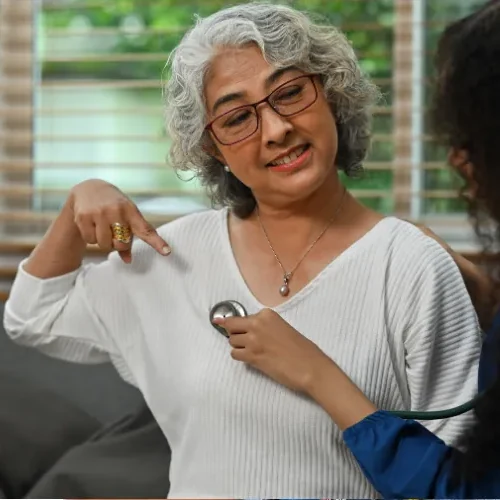
- Korea's first Ventricular Arrhythmia Clinic, established at SMC.
- 1,500+ coronary interventions annually, with 24/7 emergency PCI.
- Korea's only high-volume lead extraction centre, 50+ cases per year.
- Highest CRT procedure volume in Korea.
- First in Korea to perform CTEPH percutaneous pulmonary artery intervention (2015).
- TAVI Fast Track: assessment in 1 week, treatment in 4 days.
- Adult and paediatric cardiac care including lifelong congenital heart disease support.

Heart Surgery Technology at Samsung Seoul
- Hybrid Operating Room
- HeartMate 3 LVAD
- Pulse Field Ablation
- 3D Electroanatomical Mapping
- Intravascular Ultrasound (IVUS)
- Robotic Valve Surgery
- TAVI System
- VA-ECMO Support
Heart Surgery and Cardiology at SMC, South Korea for International Patients
Every cardiac treatment plan at Samsung Medical Centre is built around your specific diagnosis, history, and condition. Coronary Angioplasty (PCI)
Opens blocked coronary arteries using a balloon and stent; 1,500+ PCI procedures annually at SMC with 24/7 emergency capability.
Inquire
 TAVI Procedure
Replaces a narrowed aortic valve through a catheter without open-chest surgery; TAVI Fast Track: assessment in 1 week, treatment in 4 days.
Inquire
 Catheter ablation
Destroys abnormal heart tissue causing irregular rhythms using targeted energy; Korea's first Ventricular Arrhythmia Clinic uses pulse field ablation and 3D mapping.
Inquire
 Heart Failure Treatment
Comprehensive management of advanced heart failure through medication, device therapy, and surgical pathways including LVAD; 200 third-generation procedures in 2024.
Inquire
 LVAD Implantation
Mechanical heart pump supporting circulation in advanced heart failure; 200 third-generation artificial heart surgeries in 2024, highest in Korea, Asia's first Medtronic Centre of Excellence.
Inquire
 Arrhythmia Management
Diagnosis and treatment of atrial fibrillation, ventricular tachycardia, and complex arrhythmias using electrophysiology and ablation.
Inquire
 Pulmonary Hypertension
Reduces dangerous blood pressure in pulmonary arteries; first hospital in Korea to perform percutaneous pulmonary artery intervention for CTEPH (2015) with balloon pulmonary angioplasty.
Inquire
 Congenital Heart Care
Corrects structural heart defects present from birth in children and adults; Fetal Echocardiography Clinic for prenatal diagnosis with lifelong Adult CHD follow-up.
Inquire
 Cardiac Rehabilitation
Structured recovery programme after cardiac events or surgery combining supervised exercise, nutrition counselling, and clinical monitoring.
Inquire
 Electrophysiology
Diagnosis and ablation of complex arrhythmias using 3D electroanatomical mapping, Korea's first Ventricular Arrhythmia Clinic, and the highest CRT volume in Korea.
Inquire
 TAVI (Aortic Valve Replacement)
Replaces a narrowed aortic valve through a catheter without open-chest surgery; zero aortic valve surgical mortality recorded in recent years, with TAVI Fast Track delivering assessment in 1 week and treatment in 4 days.
Inquire
 Coronary Bypass Surgery (CABG)
Reroutes blood flow around blocked coronary arteries using healthy vessels from your body.
Inquire
 Heart Valve Repair and Replacement
Restores or replaces damaged heart valves to correct abnormal blood flow.
Inquire
Care Journey for International Patients
Your treatment journey made simple and stress-free in 5 easy steps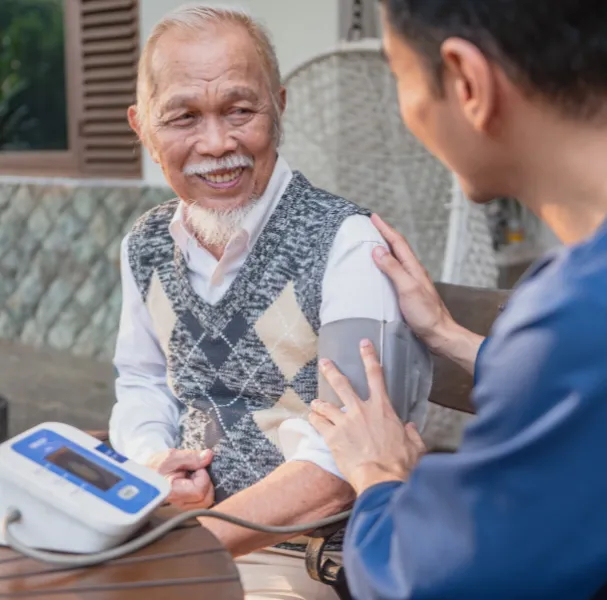
-
1
Online inquiry & medical files upload Share your medical reports for review. It takes less than a minute.
-
2
Doctor review & treatment plan Within 24hrs you will receive treatment options & a preliminary plan before travel.
-
3
Travel coordination We arrange your visa, flights, and accommodation.
-
4
Treatment phase Full care under a dedicated case manager.
-
5
Start your treatment Begin treatment with full support from our care team.
Frequently Asked Questions
Have a question? Our support team is here to guide you through each step of your treatment journey with personal care and attention.Can my cardiac scans be reviewed before I travel?
Yes. Submit your ECG, echocardiogram, coronary angiogram, or CT scans through My 1Health before you travel. The SMC cardiology team confirms whether your condition is suitable for treatment in Seoul and outlines the expected approach. A written cost estimate is provided before any travel arrangements are made.
How do I start the process of getting heart treatment at Samsung Medical Centre?
Reach Samsung Medical Centre through My 1Health.
• WhatsApp: +1 718 550 0880
• Telephone: +1 718 550 0880
• Email: [email protected]
Share your cardiac diagnosis, recent test results including ECG or echocardiogram, and a brief medical summary. The SMC cardiology and cardiac surgery team reviews your case and provides the clinical plan and estimate.
How long will I need to stay in South Korea after heart surgery?
Stay durations by procedure:
• TAVI: 3 to 5 days in hospital; fly home within 10 to 14 days
• CABG: 7 to 10 days in hospital; 2 to 3 weeks in total
• Valve repair or replacement: 7 to 14 days in hospital; 2 to 4 weeks in total
• LVAD: 2 to 4 weeks in hospital with structured device monitoring
• Coronary angioplasty (PCI): 1 to 3 days; fly home within 5 to 7 days
• Arrhythmia ablation: 1 to 2 days; home within 7 days
How much does heart surgery cost at Samsung Medical Centre?
There is no fixed price. Cost depends on your diagnosis, specific procedure, clinical condition, and length of stay. Once My 1Health submits your case, a personalised estimate is prepared. An 80% deposit is required before admission for self-pay international patients.
What are the outcomes for heart surgery at Samsung Medical Centre?
CABG mortality is below 1%, with approximately 80% of cases performed off-pump. Valve surgery carries a surgical mortality rate of approximately 0.5%, with zero aortic valve mortality recorded in recent years. The LVAD programme achieves a 95% surgical success rate across complex and high-risk patients.
What heart conditions can international patients treat at Samsung Medical Centre?
6 dedicated cardiac teams treat:
• Coronary artery disease: angina, heart attack, complex blocked arteries
• Heart failure: including LVAD for advanced cases
• Valvular disease: aortic stenosis, mitral regurgitation, tricuspid valve disorders
• Arrhythmias: atrial fibrillation, ventricular tachycardia, drug-resistant rhythm disorders
• Congenital heart disease: in children and adults
• Pulmonary hypertension: including complex CTEPH cases