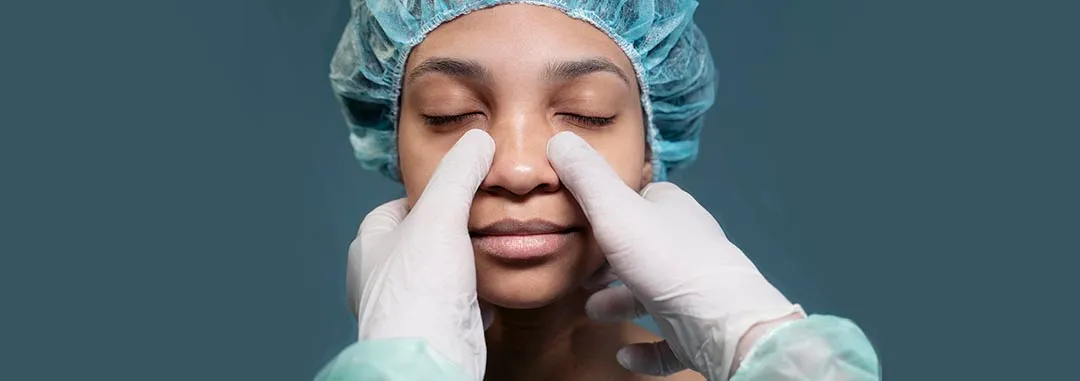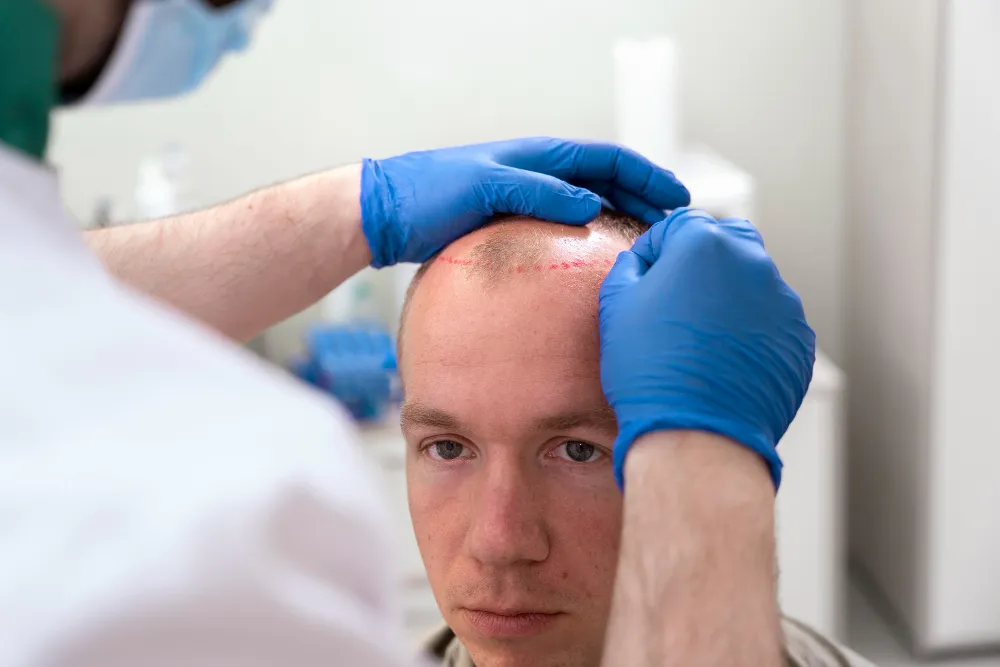



If you are considering craniofacial surgery abroad, India is increasingly chosen by international patients who want experienced surgical teams, modern planning and imaging, and a smoother pathway through treatment.
This guide is written for travel-ready patients and families looking for head surgery, face reconstruction, jaw correction, or skull surgery treatment.
It explains what modern craniofacial care typically includes, what to look for in a hospital, and why the hospitals featured here are frequently shortlisted for international patients seeking craniofacial, maxillofacial, cleft, and facial reconstruction care in India.
Why international patients choose India for craniofacial surgery
International patients often choose India because it can offer:
- Multi-specialty hospital ecosystems where craniofacial care can be supported by related departments (plastic and reconstructive surgery, oral and maxillofacial surgery, ENT, neurosurgery, dentistry/orthodontics, intensive care, rehabilitation).
- International patient services that help reduce friction: coordinated appointments, documentation support, and structured communication.
- A medical travel framework supported by India’s broader Medical Value Travel ecosystem, including e medical visa options and official journey streamlining initiatives.
- End to end medical facilitation by My 1Health, a global facilitator with 10+ partner hospitals in India that offer advanced craniofacial surgery treatments articles
Speak with a craniofacial surgery patient support specialist today
What craniofacial surgery includes and why “team care” matters
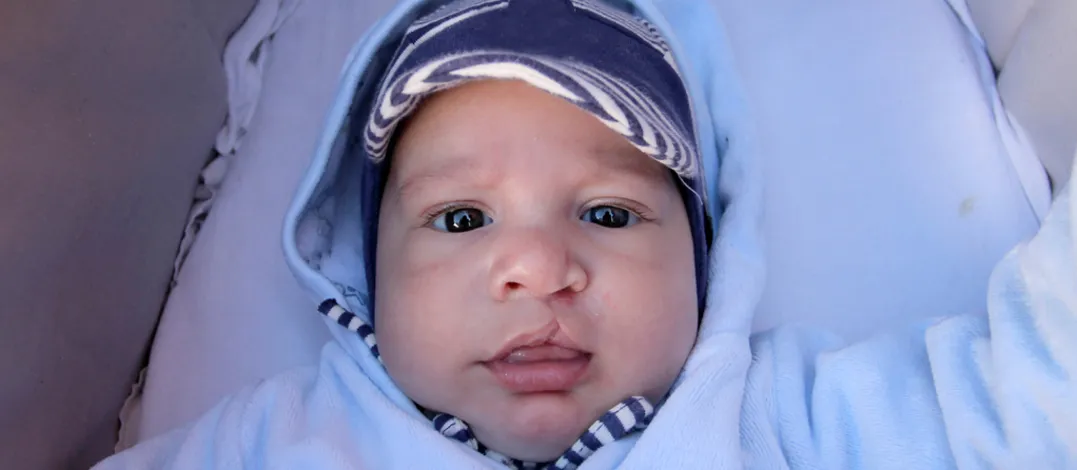
Craniofacial surgery is a focused area of care involving the skull, face, and jaw. Depending on the diagnosis, it may support both function and appearance helping restore breathing, chewing, speech development, hearing pathways, bite alignment, and facial balance.
Common reasons patients seek craniofacial care include:
- Cleft lip and palate pathways (often staged, with supportive speech and dental care).
- Craniosynostosis pathways (for infants and children with early skull suture fusion, requiring precise planning and timing).
- Jaw correction (orthognathic) surgery for functional bite issues and facial balance.
- Facial and jaw reconstruction after accidents, trauma, or disease.
- Congenital craniofacial differences involving the eyes, ears, jaw, or midface.
One of the most under explained realities of craniofacial care is that the best outcomes are often protected by the team around the surgery.
Many leading craniofacial programs globally emphasize multidisciplinary planning because surgery is only one part of a treatment pathway that may involve hearing checks, speech support, dental alignment, nutrition support, and developmental follow up.
Request a personalised craniofacial treatment plan from top hospitals in India
Modern craniofacial care in 2026: what patients should expect
Craniofacial surgery today is increasingly defined by how carefully it is planned. For international patients, modern care typically includes three themes: precision planning, specialized operating environments, and clear recovery milestones.
Precision planning
Depending on your diagnosis, modern craniofacial pathways may include:
- High quality imaging review (CT, MRI, 3D reconstruction when appropriate).
- Virtual surgical planning (VSP) and 3D guided planning for complex anatomy and reconstruction.
- Customized implants or reconstruction tools in selected cases.
- Treatment sequencing that considers function (airway, bite, vision, speech) as well as aesthetics.
Procedure options that vary by diagnosis
Your surgical plan depends on your diagnosis, age, and anatomy. For example:
- Some craniosynostosis cases can be treated with open approaches, while selected cases may be candidates for minimally invasive endoscopic pathways paired with postoperative helmet therapy.
- Some jaw and midface cases may be planned with staged correction or distraction techniques when gradual bone movement is best for function and stability.
- Cleft pathways are often staged and coordinated with speech and dental development.
A travel-ready roadmap: how to make the process feel smooth
Start with a structured remote case review
Before you book flights, a strong first step is a structured review that clarifies:
- Whether travel is appropriate now (or whether local steps should happen first).
- Whether surgery is likely, and what type of pathway is being considered.
- Which specialties should be involved (plastic/craniofacial, oral maxillofacial, ENT, neurosurgery, dentistry/orthodontics).
- A realistic timeline: consultation dates, surgery window, and in country stay duration.
Prepare a high-quality medical file
This is a major content gap online: many families do not know what makes a remote review accurate. If you want the best quality opinion, prepare:
- Imaging and radiology reports (CT/MRI/X ray as relevant).
- A short symptom and history summary (what is difficult now; what has already been tried).
- Prior surgery notes (if any), including implants or plates if used.
- Medication list and allergy list.
- For children: feeding history, speech concerns, hearing/ENT history, and any prior anesthesia history if available.
Align visa, attendant, accommodation, and timing
India supports medical travelers through the e visa ecosystem, including medical and medical attendant pathways for many nationalities.
Requirements can vary by passport and residence, so the safest approach is to confirm the correct visa route early, then align appointment letters, travel dates, and accommodation around your mobility and recovery needs.
Plan your return home from day one
The best international care experience is the one where you leave with:
- A clear medical summary and next step plan.
- Medication and wound care guidance.
- Follow up schedule and a channel for questions.
- Clear guidance on local rehabilitation needs, if relevant.
This is where a facilitator can add life changing calm because patients should not have to manage planning details while they are trying to recover.
Plan your craniofacial treatment journey in India with dedicated support from My 1Health
Best Hospitals for Craniofacial Surgery in India
1. Apollo Hospitals
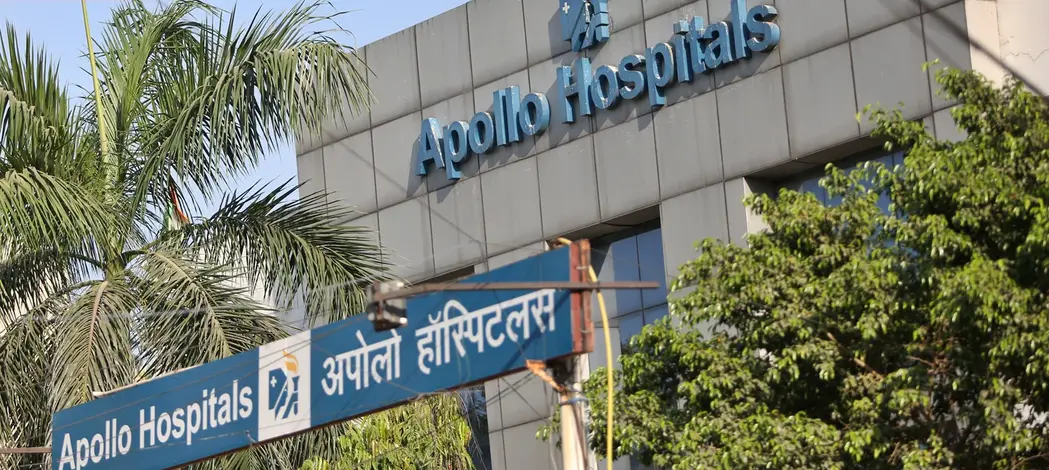
Apollo is frequently shortlisted by international patients because it combines a large multi specialty hospital ecosystem with dedicated specialty departments. For craniofacial needs, the relevance is clear: Apollo’s plastic surgery services explicitly include craniofacial surgery within their scope, alongside reconstructive microsurgery and other complex reconstructive disciplines.
What this can mean for craniofacial patients is access to a reconstructive surgical environment that is routinely built to manage complex cases.
Apollo also maintains structured pathways for overseas patients through international patient services, which can simplify the journey for traveling families: coordinating evaluation steps, clarifying pre arrival documentation needs, and supporting scheduling continuity.
Where Apollo often fits best is for patients who want a large hospital ecosystem with depth especially when the case may require cross referrals (for example, ENT input, dental and jaw input, or intensive care support depending on the patient profile).
2. Max Healthcare
Max Healthcare is often chosen by international patients who prefer a structured, high support pathway particularly across North India. For craniofacial and “head/face/jaw” related searches, Max is relevant in two ways.
First, Max provides formal specialty pathways for maxillofacial surgery and implantology, with published clinical scope that includes conditions such as cleft lip and palate and other head and neck related needs.
Second, Max has clearly invested in supporting international patients beyond hospital walls. A notable example is the establishment of a Patient Assistance Centre (PAC) in Nairobi, designed to guide patients considering travel for care and to reduce uncertainty during decision making.
Where Max often fits best is for patients who value clear service structures, early guidance, and support that begins before travel especially for families who want reliable coordination rather than navigating independently.
3. Kokilaben Dhirubhai Ambani Hospital
Kokilaben is often associated with a modern hospital environment and strong infrastructure planning. For craniofacial and complex head and neck related surgery, the operating environment matters not as a luxury detail, but as a system detail that supports smooth surgical flow and infection control standards.
Kokilaben describes operating room features such as dedicated operating rooms for certain specialties and infrastructure elements, including laminar airflow systems and specialized flooring signals that a hospital has built surgical environments intended for complex cases.
Kokilaben also publishes international patient guidance, helping traveling families understand what to expect and how the hospital supports overseas patients.
Where Kokilaben often fits best is for patients who value an organized hospital ecosystem and strong surgical infrastructure, particularly when a case involves multiple moving parts (diagnostics, surgery, monitoring, and structured discharge planning).
4. Manipal Hospitals
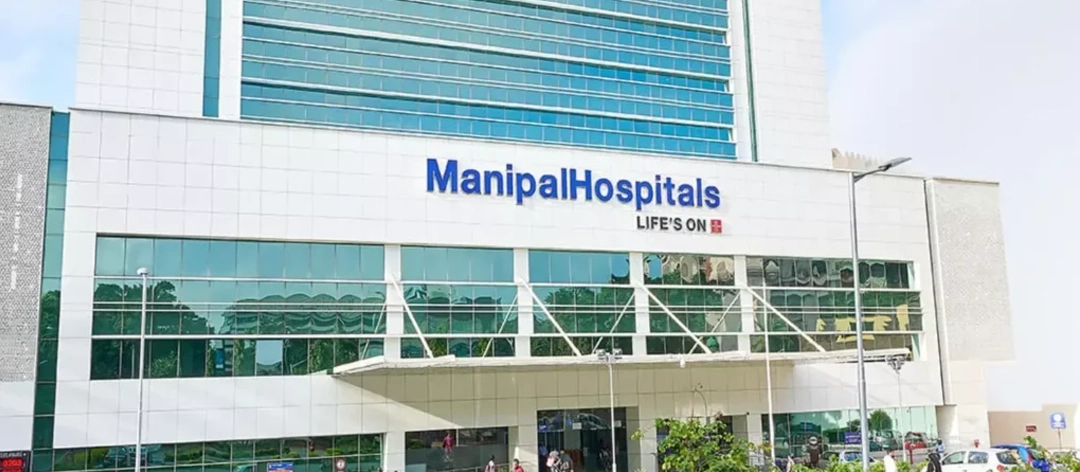
Manipal’s strength for craniofacial related care is its breadth and its ability to support face and jaw pathways through oral and maxillofacial surgery services, alongside larger tertiary care infrastructure.
For international patients, Manipal has also built a clear front door through its global platform. This includes structured video consultation offerings and second opinion services high value entry points for traveling patients who want clarity before committing to flights.
A remote consultation is especially helpful for craniofacial cases, because it allows early triage of what the patient actually needs: whether the case is cleft pathway related, jaw alignment related, trauma reconstruction related, or a more specific craniofacial syndromic pathway requiring multidisciplinary planning.
Where Manipal often fits best is for patients who want to begin with structured, low friction remote planning, then transition into a coordinated in person pathway once the plan is clear.
5. Gleneagles Hospitals
Gleneagles positions its cranio maxillofacial services around comprehensive care, describing the treatment of complex craniofacial issues supported by a multidisciplinary team, technology, and modern infrastructure.
This multidisciplinary emphasis aligns with what patients actually need: craniofacial care often involves more than one specialty, and clarity improves when the hospital’s model is to coordinate care rather than fragment it.
Gleneagles also maintains international patient services, which matters for travel ready families who need clear, managed steps instead of uncertainty. International patient pathways are not simply “helpful” they are what makes healing possible without logistical overload.
Where Gleneagles often fits best is for patients seeking a hospital that explicitly frames cranio maxillofacial care as comprehensive and coordinated, with international patient support that reduces friction throughout the journey.
6. Artemis Hospital
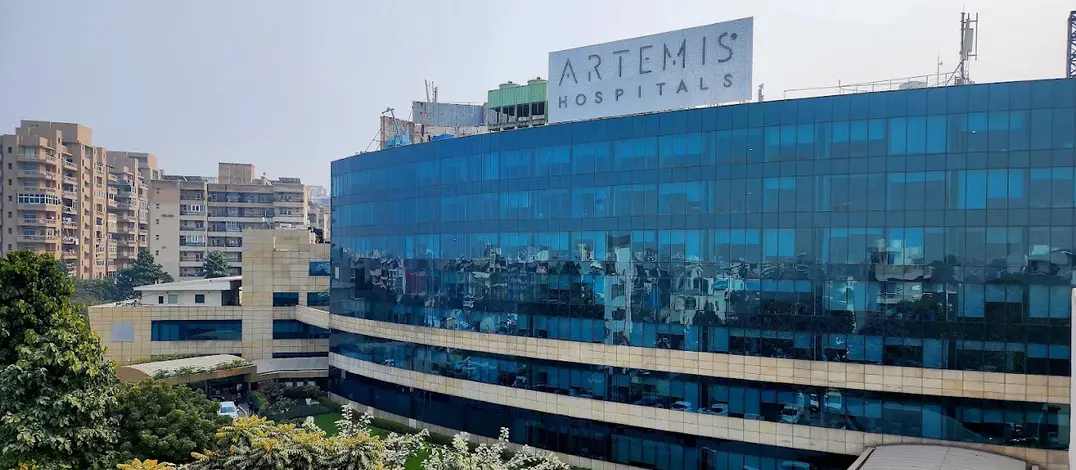
Artemis is widely positioned for international care, emphasizing world class infrastructure, multidisciplinary specialist teams, and an end to end experience designed for overseas patients.
For craniofacial relevance, Artemis’ plastic and reconstructive offerings explicitly include cleft surgery and craniofacial surgery within their scope, alongside microsurgery and other reconstructive capabilities. This matters because craniofacial needs often sit at the intersection of functional reconstruction and aesthetic restoration.
Artemis also operates dedicated international patient services, describing a seamless experience from arrival through treatment and return home. For traveling patients, this is not a marketing detail; it becomes the scaffolding that keeps the treatment journey stable and understandable.
Where Artemis often fits best is for patients who want a strong international patient structure in a modern hospital setting, particularly when reconstructive planning and clear communication are priorities.
7. Medanta Hospital
Medanta is often shortlisted by international patients seeking large institution depth and structured international support.
For craniofacial related needs, Medanta’s published clinical scope includes congenital defects such as cleft lip and palate, cranio facial cleft, and microtia, and it also describes reconstructive interests spanning maxillofacial and post trauma reconstruction.
For traveling patients, Medanta’s international patient services are also clearly defined and practical. This includes stated support such as visa assistance as well as complimentary airport pick up and drop services details that can significantly reduce strain for patients traveling with children or traveling postoperatively.
Where Medanta often fits best is for patients who want both medical depth and a very structured arrival to discharge experience, where logistics feel managed and predictable.
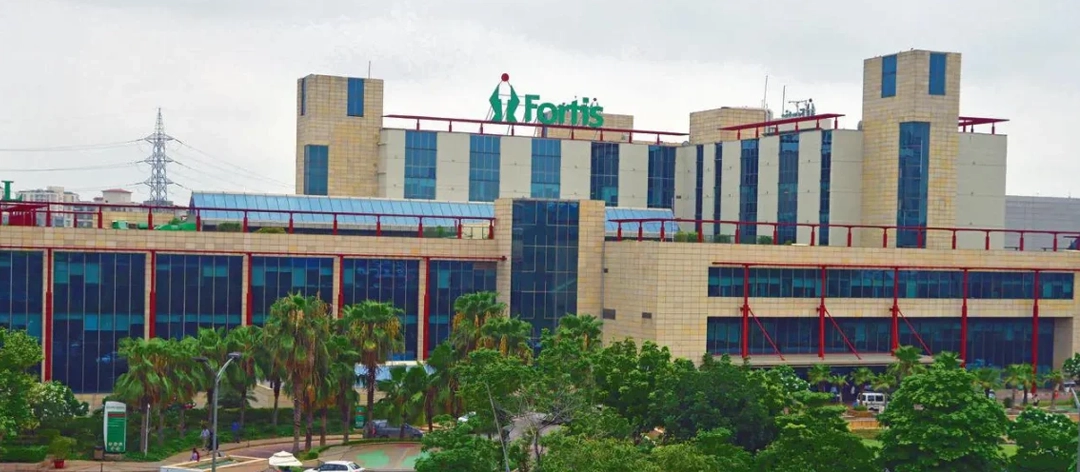
8. Fortis Hospital
Fortis is a major multi-specialty hospital ecosystem with dedicated oral and maxillofacial services.
For craniofacial and jaw related care, Fortis describes oral and maxillofacial surgery as managing defects and injuries involving the face, jaws, head and neck, and surrounding tissues covering both reconstruction and functional restoration.
Fortis also maintains international patient services and structured documentation guidance. For traveling patients, documentation clarity matters: when records are organized and required steps are clear, families feel calmer and the timeline becomes more predictable.
Where Fortis often fits best is for patients whose needs involve jaw and facial reconstruction pathways, trauma reconstruction, or orthodontic–surgical planning (where coordination is key), supported within a broader hospital system.
Why My 1Health is the preferred pathway for craniofacial patients travelling to India
In craniofacial care, the highest value service is not “finding a hospital.” It is building a stable pathway that allows the patient and family to stay calm and focused on healing.
My 1Health is positioned to support international craniofacial patients through a structured facilitation model that commonly includes:
- Organizing medical reports and imaging for review
- Coordinating remote opinions and pre-travel clarity
- Helping align visa documentation and travel timing
- Supporting accommodation planning around recovery needs
- Coordinating airport transfers where available and appropriate
- Ensuring post treatment follow up support and continuity planning
The result is a journey that feels guided and deliberate rather than improvised.