

A paediatric bone marrow transplant is one of the most critical treatments a child can undergo.
For families facing leukaemia, thalassaemia, aplastic anaemia, or other blood disorders, survival rates, specialist expertise, and strict infection control become the highest priority.
China performs over 23,000 bone marrow transplants each year, making it one of the highest volume destinations globally for advanced haematology care.
Among China’s leading centres is Beijing Jingdu Children’s Hospital in Beijing, a specialised paediatric transplant hospital known for managing complex, high risk, and relapsed cases.
With 1,000+ paediatric bone marrow transplants performed and expertise in the Beijing Protocol, the hospital has become a trusted destination for families from 100+ countries seeking the best .
This guide explores Beijing Jingdu Children’s Hospital in China and reasons why it is a global leader in paediatric bone marrow transplants.
Talk to an international patient coordinator about paediatric bone marrow transplant in China
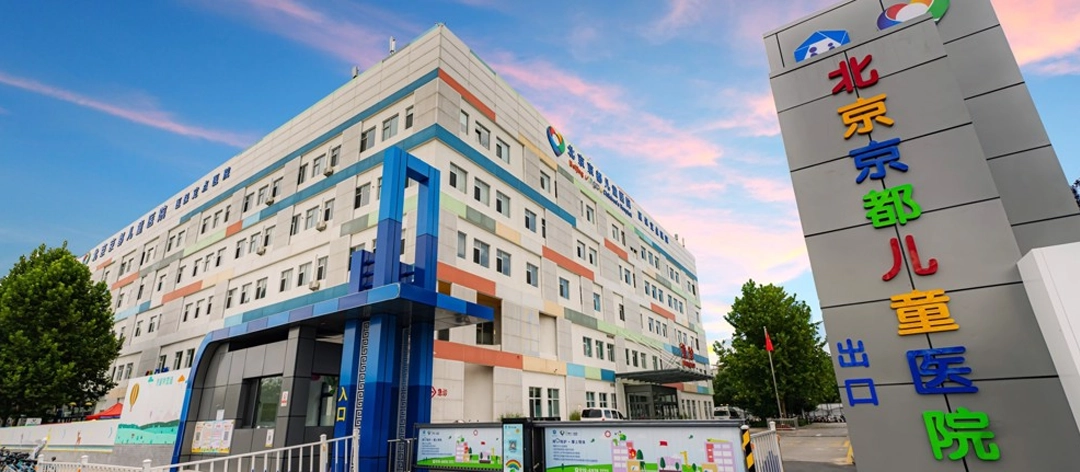
Beijing Jingdu Children’s Hospital- Best Paediatric Bone Marrow Transplant Hospital in China
Beijing Jingdu Children’s Hospital is widely recognised as one of the best hospitals for paediatric bone marrow transplant in China.
It is Beijing’s only private Grade A tertiary children’s hospital and the city’s only JCI-accredited paediatric hospital, reflecting international standards in safety
Survival outcomes for childhood leukaemia, lymphoma, severe aplastic anaemia, thalassaemia and immune disorders are reported to be comparable to leading hospitals in the United States and Europe.
Families travel here from 100+ countries, including Saudi Arabia, the UAE, Kuwait, Oman, Qatar, Russia, Egypt, Bangladesh and Australia.
Care is supported by a dedicated international medical department that provides language interpretation and hospital invitation letters for medical visas.
Beijing Jingdu Children’s Hospital is known for its expertise in haploidentical bone marrow transplant using the Beijing Protocol.
This approach allows transplantation using a half-matched family donor, often a parent, reducing delays when a fully matched donor is unavailable.
It is especially valuable for children with aggressive, relapsed or high-risk disease, where timing can be critical.
Why Choose Beijing Jingdu Children’s Hospital:
- 1,000+ paediatric stem cell transplants performed with high success rates
- 19 independent HSCT rooms and 2 transplant units with 19 ISO Class 5 cleanrooms
- Leukaemia cure rates improved from 60% to 80%, reaching 90% in selected subtypes
- Families treated from 100+ countries
Request a case review for Beijing Jingdu Children’s Hospital

Types Of Paediatric Bone Marrow Transplants Offered in China at Beijing Jingdu
1. Haploidentical transplant using the Beijing Protocol
Uses a partially matched family donor, often a parent.
At Jingdu Children’s Hospital, haploidentical transplantation follows the Beijing Protocol, a globally recognised approach that has transformed donor access and improved survival.
This method has become mainstream in China and now accounts for 60%+ of paediatric transplants, making treatment possible for most children without long donor searches.
2. Matched sibling donor transplant
Performed when a brother or sister is a close HLA match, helping reduce rejection risk and support stable engraftment.
3. Umbilical cord blood transplant
Cord blood stem cells are collected at birth and stored in cord blood banks.
They require less strict matching and are often used for younger children. Jingdu performs cord blood transplants as part of its high-volume paediatric transplant practice.
4. Allogeneic transplant from a donor
In this transplant, stem cells come from a donor rather than the child.
It is commonly used for leukaemia, aplastic anaemia, thalassaemia and immune disorders, offering a strong anti-leukaemia effect that helps reduce relapse risk.
5. Autologous transplant
This uses the child’s own stem cells, collected before intensive treatment and returned afterwards.
It avoids immune rejection and is used in selected paediatric cancers.
Find out which transplant type fits your child
Conditions Treated with Bone Marrow Transplant at Jingdu Children’s Hospital
- Childhood leukaemia, including relapsed and refractory leukaemia
- Thalassaemia
- Severe aplastic anaemia
- Primary immunodeficiency diseases
- Metabolic and inherited blood disorders
Success Rates of Paediatric Bone Marrow Transplant at Jingdu Children’s Hospital
Here, paediatric bone marrow transplant outcomes are driven by high case volume, specialised expertise, and infection-controlled transplant care.
- 800+ paediatric transplants performed annually, placing the hospital among China’s highest-volume centres
- Leukaemia cure rates increased from 60% to 80%, reaching up to 90% in specific subtypes
- 225 children with primary immunodeficiency disorders treated with transplant, achieving 82.2% overall survival
- 90%+ success rates reported in conditions such as Wiskott–Aldrich syndrome, severe congenital neutropenia and Shwachman–Diamond syndrome
- 95.6% transplant success rate in paediatric thalassaemia, supported by protocol refinement and careful timing
Professor Huang Xiaojun, a globally recognised leader in haematopoietic stem cell transplantation, is the architect of the Beijing Protocol.
His work transformed haploidentical transplantation worldwide, improving three-year survival from under 20% to around 70%, and changing donor access for children globally.
Request a case review for Beijing Jingdu Children’s Hospital

Cost of Paediatric Bone Marrow Transplant in China at Jingdu Children’s Hospital
China offers a significant cost advantage for paediatric bone marrow transplant compared with the US and Europe, while maintaining comparable outcomes at experienced centres.
Cost of Paediatric Bone Marrow Transplant at Jingdu Children’s Hospital
| Treatment type | Estimated cost (USD) Start from |
|---|---|
| Autologous stem cell transplant (uses own stem cells) | USD 30,000 |
| Allogeneic (uses donor stem cell, donor costs are separate) | USD 70,000 |
| Haploidentical transplant for thalassaemia | USD 60,000 |
| CAR-T therapy (when indicated) | USD 30,000 |
| Oncology chemotherapy (full course) | USD 30,000 |
| Chemotherapy per cycle | USD 2,800 |
| Radiotherapy (full course) | USD 13,000 |
| International outpatient consultation | USD 120–140 |
Final costs depend on diagnosis, transplant complexity, donor pathway, length of stay and post-transplant needs.
Get a clear treatment estimate before you travel
International Insurances Accepted
Beijing Jingdu Children’s Hospital works with multiple international and regional insurers, including:
Cigna, Allianz Partners, Generali China, Ping An Insurance, PICC Health, AIA, MSH China, China Merchants Insurance, Taikang Life, ERGO Insurance, ICBC AXA Life Insurance, MediLink Global, and others.
Insurance eligibility and direct payment options are reviewed individually to help families plan with confidence.
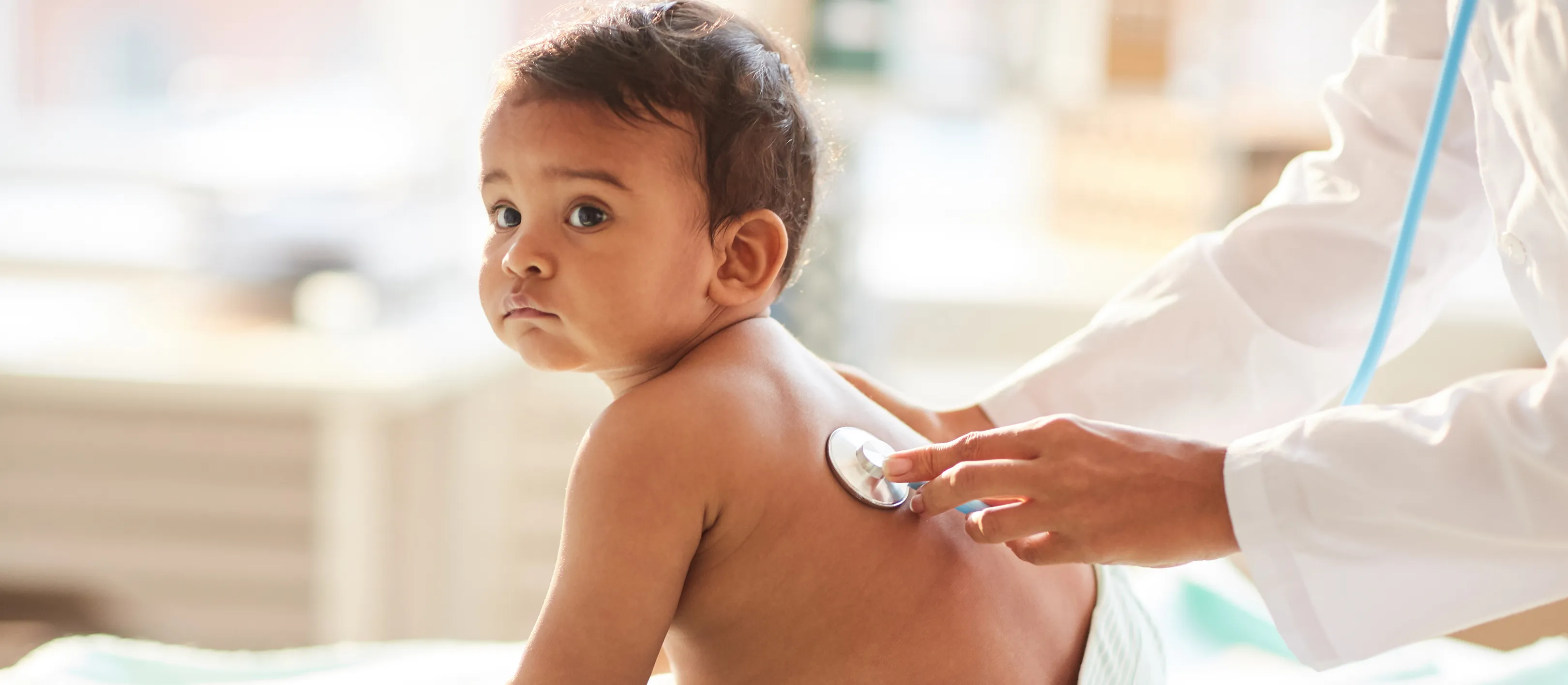
What Parents Worry About Most and How These Risks Are Managed
Parents considering paediatric bone marrow transplant abroad often share the same concerns.
At Beijing Jingdu Children’s Hospital, these risks are addressed through experience, systems, and clear communication.
- Safety during immune recovery
Bone marrow transplant temporarily weakens a child’s immune system. To reduce infection, transplants are performed in ISO Class 5 cleanrooms and HSCT rooms for paediatric transplant care. - Donor availability
Many families don’t have a fully matched donor. The hospital specialises in haploidentical bone marrow transplant using the Beijing Protocol, allowing safe transplantation even when only a half-matched family donor is available.
- Outcomes in complex or relapsed disease
Children with relapsed or high-risk conditions require experienced teams. High transplant volumes, 800+ procedures annually, and structured third-line treatment pathways support stable outcomes in challenging cases.
- Understanding medical decisions
Clear explanations matter. International families receive support in English and other languages, ensuring parents understand treatment options, risks, and next steps at every stage. - Care after returning home
Recovery does not end at discharge. Follow-up planning, telemedicine support, and detailed medical reports help families continue care safely after returning to their home country.
International Patient Journey for Paediatric Bone Marrow Transplant with My 1Health
My 1Health supports you from the first enquiry to post-treatment follow-up, without adding extra cost to your treatment.
The journey includes:
- Initial case review and second medical opinion, with secure submission of medical records through a multilingual platform.
- Direct coordination with Beijing Jingdu Children’s Hospital, ensuring your child’s case is reviewed by the right paediatric transplant specialists.
- Online consultations before travel, helping you understand treatment options, timelines, and expected outcomes in advance.
- Visa guidance and hospital invitation letters, simplifying the medical visa process for China.
- Airport pick-up and drop-off facilitation, along with assistance arranging nearby family-friendly accommodation.
- Multilingual translation support during consultations, treatment discussions, and hospital stay.
- Clear treatment cost estimates, insurance coordination, and support with direct payment where available.
- Priority scheduling of examinations and procedures, helping reduce waiting time once you arrive.
- Telemedicine follow-up after returning home, ensuring continuity of care and ongoing medical guidance.
By working closely with Beijing Jingdu Children’s Hospital, My 1Health acts as your single point of contact, helping you navigate medical, logistical, and communication needs so you can focus on what matters most: your child’s recovery.
Plan your child’s transplant journey with expert international support