


Why Patients from Around the World Choose Bumrungrad for Heart Surgery
Bumrungrad International Hospital in Bangkok is one of Asia's best hospitals.
For cardiac surgery specifically, it is one of the world's most advanced facilities; independently ranked, JCI-certified, and publishing outcomes that match or exceed U.S. and UK benchmarks.
Patients from over 190 countries travel to Bumrungrad's Heart Institute each year to receive genuine exceptional heart care.
This guide walks you through everything you need to know what makes Bumrungrad's Heart Institute different, what procedures are available, what the full patient experience looks like.
Additionally, we will highlight how My1Health, a free medical facilitation service, manages every aspect of your journey from your first enquiry to the moment your home cardiologist has your discharge records in hand.
99.2% PCI Success Rate vs. 95% US Benchmark | 0% CABG Post-Op Stroke Rate vs. 3% US Benchmark | 100% 1-Year Heart Transplant Survival Rate |
Published outcomes — Bumrungrad Heart Institute, Bangkok
Speak to a Cardiac Surgery patient support specialist for Bumrungrad International Hospital
Inside Bumrungrad's Heart Institute
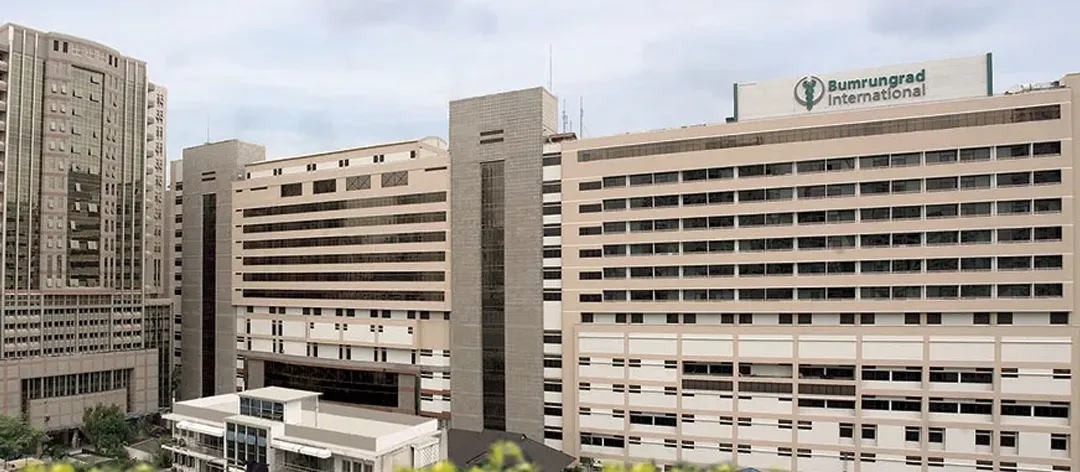
Bumrungrad's Heart Institute is a dedicated, fully integrated Centre of Excellence with a specific mandate to provide every level of cardiac care, from preventive screening to heart transplantation, under one roof, to international standards.
The Heart Institute brings together 20+ cardiac specialists across six sub-specialties:
- Interventional Cardiology
- Electrophysiology
- Advanced heart failure and transplantation
- Structural heart disease
- Cardiothoracic surgery
- Cardiac imaging
These cardiac specialists are supported by rehabilitation physicians, pharmacists, geneticists, nutritionists, and specialist nurses.
In Thailand, Bumrungrad is the only private hospital certified to perform heart transplants. It is also the first hospital outside the United States to receive two JCI disease specific care certifications for its primary stroke programme and its heart attack programme.
Bumrungrad also holds JCI Clinical Care Program Certification (CCPC) for its Heart Failure Program, a distinction held by only around 400 hospitals globally.
Speak to a Cardiac Surgery patient support specialist for Bumrungrad International Hospital
The Technology That Sets Bumrungrad Apart
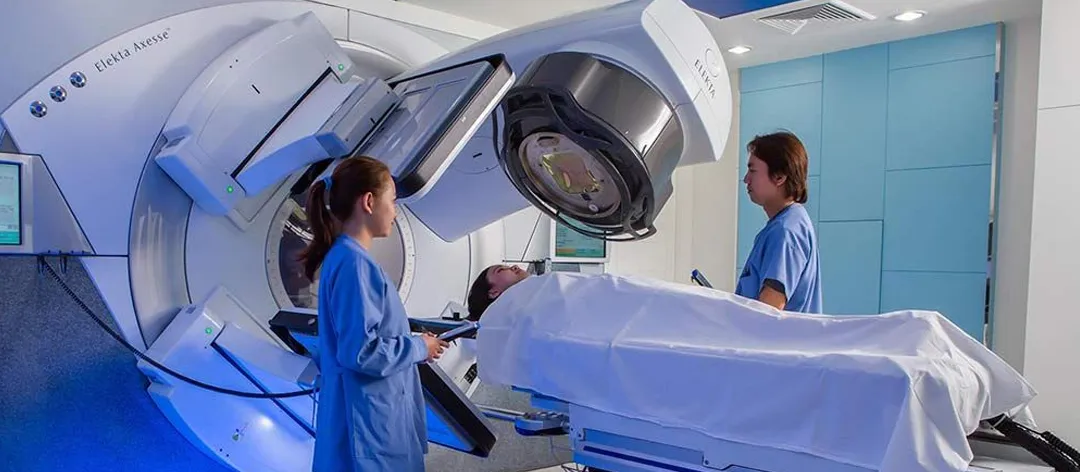
The clinical outcomes achieved at Bumrungrad's Heart Institute are a product of specific technology investments that place the Institute among the most advanced cardiac facilities in the world.
CardioInsight Noninvasive 3D Cardiac Mapping System
Bumrungrad is the only operational facility in the Asia-Pacific region to use the CardioInsight system. This is a 252 electrode vest that maps the heart's complete electrical activity from the outside of the body, without catheter insertion.
This technology underpins Bumrungrad's reported 99.1% success rate for electrophysiology procedures, compared to a U.S. benchmark of 80%.
Impella Percutaneous Microaxial Flow Pump
Introduced in 2025, Bumrungrad's Impella system supports patients in cardiogenic shock by pumping up to 4.3 litres of blood per minute bridging critically ill patients through complex high-risk interventions or while awaiting transplantation.
ECMO (Extracorporeal Membrane Oxygenation)
Full ECMO capability is available for patients requiring cardiac or respiratory life support during or after major surgery, including post-transplant recovery.
Photon-Counting Detector CT
Bumrungrad was the first hospital in Thailand to introduce this next-generation cardiac imaging technology, enabling significantly more detailed visualisation of coronary arteries and cardiac structures than conventional CT.
TAVI, MitraClip and WATCHMAN
Bumrungrad's structural heart team performs transcatheter aortic valve implantation (TAVI/TAVR), transcatheter mitral valve repair (MitraClip), and left atrial appendage closure (WATCHMAN). This allows patients who were previously considered too high-risk for open surgery to receive treatment.
24-Hour Emergency Cardiac Intervention
Bumrungrad was the first hospital in Thailand to establish a 24/7 door-to-balloon programme, with the catheterisation laboratory activated within 90 minutes of a cardiac emergency. This is a standard consistent with the world's leading heart centres.
What Conditions Can Bumrungrad Treat?

The Heart Institute handles the full spectrum of cardiac conditions including many that patients have been told require long waiting times, high risk surgery, or simply cannot be treated in their home countries.
Coronary Artery Disease and Bypass Surgery (CABG)
For patients with blocked or narrowed coronary arteries, Bumrungrad's Complex Coronary Artery Intervention Centre offers balloon angioplasty with drug eluting stents, IVUS guided complex interventions, and rotablation for calcified or resistant lesions.
For multi vessel disease requiring bypass, the cardiac surgery team performs CABG with a reported 0% in hospital mortality rate and 0% post-operative stroke rate, against U.S. benchmarks of 2.1% and 3% respectively.
Heart Valve Disease
The Bumrungrad Heart Valve Centre offers both surgical valve repair and replacement, and transcatheter procedures for patients who cannot safely undergo open chest surgery.
TAVI/TAVR has carried a 0% mortality rate at Bumrungrad since 2016, offering patients who were once told they had no surgical options a genuine path to recovery.
Arrhythmia
Bumrungrad’s Arrhythmia Treatment Centre is internationally regarded. Using the CardioInsight 3D mapping system and Carto SmartTouch mapping, the team achieves a 99.1% EP procedure success rate.
Additionally reports show 100% success specifically for AFib and ventricular tachycardia ablation, with zero deaths from either condition.
For patients on antiarrhythmic medications who have been offered no further interventional options, this programme offers real hope.
Heart Failure and Advanced Therapies
For patients with advanced or end stage heart failure, Bumrungrad offers the full ladder of therapies:
- Optimised Medical Management
- Cardiac Resynchronisation Therapy (CRT)
- Ventricular Assist Devices (VADS)
- ECMO
- The Impella Support System
- Heart Transplantation
The Heart Failure Clinic team is JCI certified specifically for heart failure management, a distinction very few hospitals worldwide hold.

Heart Transplantation
Bumrungrad is the only private hospital in Thailand with certified heart transplant capability. The programme has achieved a 100% one year survival rate.
Transplantation is available for patients with end stage heart failure who are not candidates for other interventions.
It is coordinated through the Thai Red Cross Society Organ Donation Centre, of which Bumrungrad is a designated centre for heart, kidney, liver, and cornea transplants.
Congenital and Genetic Heart Conditions
Bumrungrad offers total correction surgeries and device based septal defect closure (without open surgery) for adults living with congenital heart conditions.
The cardiogenetics programme provides DNA based risk screening for inherited conditions including:
- Brugada Syndrome
- Inherited Arrhythmias
- Familial Hypercholesterolaemia
- Hereditary Cardiomyopathies
A Word on Timing - When Not to Travel
| Important: Patients in Active Cardiac Events |
| If you are experiencing an active heart attack, unstable angina, or a very recent cardiac event, your priority is stabilisation at your nearest hospital. |
| Once you are stable and your home cardiologist has cleared you for travel, Bumrungrad becomes a safe and genuine option. My1Health's clinical advisors help you assess whether the timing is right and coordinate a fitness-to-fly assessment with your home physician before any travel is booked. |
How Bumrungrad's Outcomes Compare

Bumrungrad publishes outcome data benchmarked against U.S. standards, an unusual level of transparency for a private hospital.
| Outcome Measure | Bumrungrad | US Benchmark |
| PCI Success Rate | 99.2% | ~95% |
| CABG In-Hospital Mortality | 0% | ~2.1% |
| CABG Post-Op Stroke Rate | 0% | ~3% |
| EP Procedure Success Rate | 99.1% | ~80% |
| TAVI Mortality Since 2016 | 0% | Variable |
| 1-Year Transplant Survival | 100% | ~85–90% |
| Cardiac Rehab Recovery (7 days) | 100% | ~90% |
Statistics sourced from Bumrungrad International Hospital, press coverage, and My1Health (official referral partner).
What these numbers reflect is volume, technology, and expertise. Bumrungrad performs over 40,000 cardiac consultations per year, more than 1,000 coronary interventions, and 430+ cardiothoracic surgeries.
High volume cardiac centres consistently achieve better outcomes in peer-reviewed literature because surgical teams perform procedures repeatedly, at pace, with refined technique.
What Does Cardiac Surgery Cost at Bumrungrad?

Thailand has built one of the world's most accessible high-quality healthcare systems, where world class cardiac surgery is simply priced for people.
| Procedure | USA | UK / Australia | Bumrungrad |
| CABG Bypass Surgery | $70,000–$200,000 | £30,000–£60,000 | $19,000–$25,000 |
| Valve Replacement | $80,000–$150,000 | £35,000–£60,000 | $10,000–$20,000 |
| TAVI / TAVR | $50,000–$100,000 | $50,000–$80,000 AUD | From $32,000 |
| Angioplasty (PCI) | $20,000–$50,000 | £10,000–£25,000 | $6,500–$9,000 |
| Cardiac Ablation | $20,000–$50,000 | £15,000–£30,000 | From $10,000 |
| Heart Transplant | $1,000,000+ | NHS (long waitlist) | ~$80,000–$100,000 |
Approximate costs. Individual quotes provided by My1Health based on your specific medical case and surgeon.
Budgeting the Full Trip — Not Just the Surgery
| Build Your Realistic Budget |
| Surgery and hospital fees (the core treatment cost estimate from Bumrungrad) |
| Return flights |
| Hotel or serviced apartment for in country recovery (10 – 20 days for open-heart patients) |
| Companion accommodation and daily expenses |
| Airport transfers in Bangkok; My1Health arranges these |
| Post operative outpatient follow-up appointments |
| Medications to take home often 4 – 6 weeks of prescriptions |
| A contingency buffer of 15 – 20% for any extended stay |
| My1Health provides a fully itemised cost estimate before you commit to anything. |
The Insurance Reality
| What Most Patients Don't Know About Insurance |
| Standard travel insurance almost never covers planned elective surgery abroad. Do not assume yours does. |
| Some international private medical insurance (IPMI) policies do cover overseas treatment — check your policy carefully for 'treatment abroad' clauses. |
| My1Health provides a fully itemised receipt for any reimbursement claim and can advise on insurance options before you travel. |
Your My1Health Patient Journey to Bumrungrad — Step by Step

From your first message to the moment your home cardiologist receives your discharge summary, My1Health coordinates every part of your Bumrungrad journey.
This service is completely free of charge to patients. Here is exactly what to expect.
Step 1: First Contact and Free Consultation
- Reach out via the My1Health email, WhatsApp, or phone
- You are assigned a dedicated Patient Support Specialist
- Your specialist discusses your diagnosis, urgency, budget, country of origin, and any travel or family constraints
- No pressure, no obligation — this initial conversation is simply about understanding your situation
Step 2: Medical Report Submission
- Your specialist guides you through what to gather: cardiologist reports, ECG, echocardiogram, angiogram results, CT/MRI scans, blood results, and your current medication list
- Documents are submitted securely via the My1Health patient portal
- If your records are in another language, My1Health handles translation and clarification with the Bumrungrad team
Step 3: Remote Second Opinion from Bumrungrad's Heart Institute
- Your case is reviewed by a Bumrungrad cardiologist
- You receive a formal treatment recommendation and proposed care plan specific to your condition
- A video consultation with your Bumrungrad cardiologist is available before you commit to anything, giving you the chance to ask direct questions about your case
Step 4: Fully Itemised Cost Estimate; No Hidden Fees
- You receive a comprehensive cost breakdown covering surgical fees, anaesthesia, ICU stay, ward accommodation, standard medications, and diagnostics
- My1Health is transparent about what is and is not included so there are no surprises
- There are no hidden facilitation fees, My1Health's service to patients is entirely free of charge

Step 5: Travel and Logistics Planning
- Visa assistance; My1Health explains Thailand's medical visa options and obtains hospital invitation letters from Bumrungrad for your application
- Flight booking guidance; direct versus connecting, business class for post-operative comfort on long-haul return flights
- Hotel or serviced apartment selection near Bumrungrad; proximity, mobility access, and suitability for recovery are all considered
- Companion accommodation is planned throughout; your travel partner is never an afterthought
- Insurance briefing; My1Health advises you clearly on what your insurance covers and what it doesn't, before you travel
Step 6: Pre-Departure Preparation; The Critical Step Most Patients Skip
- Medication management: if you take blood thinners (warfarin, clopidogrel, aspirin) or beta-blockers, your Bumrungrad team and home cardiologist will coordinate what to stop, when, and what to bring; this clinical bridging is something most patients navigate alone without a facilitator
- Fitness to fly clearance is confirmed with your home physician before anything is booked
- My1Health provides a pre-departure checklist: documents to carry, what to pack, emergency contact protocols
- A family communication plan is shared with nominated contacts so loved ones at home know exactly what to expect
Step 7: Airport Arrival and Private Transfer
- A private transfer meets you at Suvarnabhumi International Airport; available 24 hours a day
- Transfer directly to Bumrungrad or your hotel depending on your admission date and preference
- A welcome briefing on arrival covers your schedule, hospital orientation, and practical Bangkok logistics
Step 8: Hospital Admission and Pre-Operative Consultations
- You meet your Bumrungrad cardiac team face to face for the first time
- Pre-operative diagnostics and tests are completed in Bangkok to confirm the treatment plan; using the same imaging and monitoring technology described in Section 2
- Your My1Health Patient Specialist is available during consent discussions to help you ask the right questions
- Your procedure date is confirmed

Step 9: The Procedure; What Happens on the Day
- Your surgical team and anaesthesiologist brief you on the morning of your procedure
- Your companion is guided to a comfortable waiting area; a dedicated family liaison from Bumrungrad provides regular updates during surgery
- My1Health remains available throughout the day, and your specialist checks in with your companion at key moments
Step 10: Post-Procedure Recovery in Bumrungrad
- You transition from the ICU to a private ward as your condition stabilises; typically within 1 – 3 days for major surgery
- What to expect: pain management, respiratory physiotherapy, dietary guidance, ECG monitoring, and regular consultant reviews
- Visiting arrangements are generous your companion can be with you for most of the day
- Bumrungrad's international patient facilities include halal meal options, vegetarian menus, a Muslim prayer room with 300 person capacity, and culturally sensitive care as standard
- Translation support is available in over 25 languages including Arabic, Chinese, Burmese, Bengali, Khmer, and more
Step 11: Discharge and In-Country Recovery
- After discharge, you recover in a hotel or serviced apartment near Bumrungrad — My1Health arranges this in advance based on your mobility needs
- Follow-up outpatient appointments are scheduled so your Bumrungrad cardiologist can review your progress before you fly
- Bumrungrad's three-stage cardiac rehabilitation programme can begin in Bangkok before you return home: supervised ECG-monitored exercise, nutrition planning, and pharmacist led medication management; My1Health coordinates access to this programme for you
Step 12: Fitness-to-Fly Assessment and Journey Home
- Your Bumrungrad cardiologist conducts a formal safe to fly assessment; clearance is not automatic
- Minimum post-operative stays are observed by procedure type (see the table below)
- Business or premium class is recommended for long haul flights after cardiac surgery to minimise DVT risk
- My1Health provides written in-flight guidance for your companion and any airline crew, covering medications, positioning, and what to monitor
- Airport assistance; wheelchair, fast-track, and supplemental oxygen if required; is pre-arranged
- A private transfer returns you to Suvarnabhumi Airport
Step 13: Home Arrival and Ongoing Aftercare
- Your Bumrungrad discharge summary, surgical report, imaging files, and full medication list are prepared in English in a format your home cardiologist can immediately use
- My1Health makes follow up calls in the days and weeks after your return to check on your recovery
- You are connected with local cardiac rehabilitation services in your home country so recovery continues without interruption
- My1Health provides clear guidance on warning signs to watch for and who to call if concerns arise
- Should you need a future review appointment at Bumrungrad for imaging, medication adjustment, or a six-month check; My1Health coordinates that too
Safe to Fly Timelines by Procedure

How long do you need to stay in Bangkok before flying home?
Flying too early after cardiac surgery carries real risks: deep vein thrombosis, in-flight hypoxia, and in the worst cases, cardiac events.
Bumrungrad's team will not clear you to fly until it is genuinely safe to do so.
| Procedure | Min. Days Before Flying | Key Notes |
| CABG (Bypass) | 10 – 14 days | Business class essential for long-haul; DVT risk monitoring |
| Valve Replacement | 10 – 14 days | Close cardiac monitoring before clearance |
| TAVI / TAVR | 5 – 7 days | Less invasive; cardiologist sign-off still required |
| Angioplasty (PCI) | 2 – 5 days | Depends on stent complexity; simpler cases faster |
| Catheter Ablation | 3 – 5 days | Bumrungrad monitors for arrhythmia recurrence before travel |
| Heart Transplant | 4 – 6 weeks minimum | Requires extended recovery in Bangkok; rehab programme critical |
Timelines are indicative your Bumrungrad cardiologist makes the final determination based on your individual recovery.
Cardiac Rehabilitation at Bumrungrad

Cardiac rehabilitation is is a medically essential part of recovery after bypass surgery, valve replacement, angioplasty, or heart failure treatment.
Bumrungrad's rehabilitation programme operates across three stages.
- The Inpatient Stage
Begins during your hospital stay, focusing on light exercise, anxiety reduction, and education about your recovery.
- The Outpatient Stage
A tailored 2 – 12 week programme; involves supervised exercise with ECG monitoring throughout each session, personalised intensity progression, nutritionist led dietary guidance, and pharmacist-managed medication optimisation.
- The Maintenance Stage
Provides long term support for independent exercise and healthy cardiac habits, including access to remote monitoring technology for patients who return home.
My1Health arranges access to this programme for patients during their in-country recovery period and helps connect you with equivalent services in your home country before you depart Bangkok.
The Bumrungrad International Patient Experience
Over 520,000 international patients from 190+ countries choose Bumrungrad every year. The hospital has built its entire infrastructure around the needs of people travelling for care.
Language is never a barrier. More than 200 interpreters cover 25+ languages including Arabic, Chinese, Japanese, Burmese, Bengali, Khmer, Vietnamese, Russian, German, French, and Indonesian and nearly every cardiologist at the Heart Institute speaks English.
The International Patient Centre handles everything else:
- Dedicated case managers and online treatment plan reviews within 24 hours
- Telemedicine consultations before and after your procedure
- Visa invitation letters and immigration support
- Direct billing with 150+ insurers including Cigna, Allianz, Bupa, and Aetna
- Ground ambulance transfers and 23 international referral offices worldwide
For cardiac patients, what matters most goes beyond logistics. The 24/7 emergency cardiac programme, the 63-bed ICU, and full escalation protocols mean that if something unexpected happens during your recovery in Bangkok, you are in one of the best-equipped facilities on the planet to handle it.