



The average IVF cycle in the United States costs between $15,000 and $30,000. That number doesn't always include medications, genetic testing, or anesthesia.
By the time many couples reach their second or third cycle, they've spent upwards of $60,000 with no guarantee of success.
In Turkey, a full IVF cycle at a world class, internationally accredited hospital starts at around $3,000 to $6,000.
This isn't a compromise. It isn't a shortcut. Thousands of American patients travel to Istanbul each year for IVF and return home with more than just hope. They return with real results, at a fraction of the cost.
This guide is for you if you're exploring your options. It will walk you through why Turkey has become a leading IVF destination, what the journey actually looks like, which hospitals to consider, and how to make the trip as smooth as possible.
Why US Patients Are Choosing Turkey for IVF

The cost gap is significant
Let's put the numbers side by side.
| Treatment | USA (avg.) | Turkey (avg.) |
| Standard IVF cycle | $15,000 – $25,000 | $3,000 – $6,000 |
| IVF with egg donation | $35,000 – $50,000 | $7,000 – $12,000 |
| PGT A genetic testing | $3,000 – $6,000 | $400 – $1,500 |
| Medications per cycle | $3,000 – $7,000 | $800 – $2,000 |
The savings are not marginal. For many patients, one trip to Istanbul including flights and accommodation costs less than a single cycle at a US clinic.
The quality is there
Turkey's top hospitals are not budget facilities. They are modern, internationally accredited institutions that treat patients from across Europe, the Middle East, and North America.
Several of Turkey's leading hospitals hold JCI accreditation the same gold standard used to evaluate US hospitals. Their IVF laboratories meet WHO and ESHRE (European Society of Human Reproduction) guidelines. Many fertility specialists completed postgraduate training in Europe or the United States.
Egg donation is accessible and legal

In the United States, egg donation is legally complex and expensive. Finding a donor can take six to twelve months. Costs can add $20,000 – $40,000 to your cycle.
In Turkey, egg donation is legal, widely available, and significantly more affordable. Donors are anonymous under Turkish law. The process is regulated and the waiting times are shorter.
Is it safe?
This is the question we hear most from American patients. The answer is yes, if you choose the right hospital.
Turkey's leading hospitals carry JCI accreditation, maintain advanced embryology labs, and employ English speaking coordinators who work specifically with international patients. The risks are no greater than at a US clinic, and the standard of care at the hospitals featured in this guide is genuinely high.
Speak with a US IVF travel coordinator today to get started on travelling to Turkey
What to Expect as an American Patient

How many trips will you need?
For a fresh IVF cycle, most patients need one trip of approximately 12 – 16 days. You'll begin stimulation medications at home, then fly to Istanbul for monitoring, egg retrieval, fertilisation, and transfer.
If you're doing a frozen embryo transfer (FET) from embryos already stored in Istanbul, a second trip of just 5 – 7 days is typically sufficient.
Before you travel
Before flying, your Turkish clinic will ask you to complete baseline blood tests and an ultrasound. These can be done at a reproductive endocrinologist or monitoring clinic in the US. You'll share results with your Istanbul team remotely.
Most clinics will provide a detailed protocol before you depart. You'll start stimulation injections at home, usually around day 2 or 3 of your cycle.
Visa and entry
US passport holders can obtain a Turkish e Visa online in minutes. The cost is approximately $50, and it's valid for multiple entries. There's no need to visit a consulate.
Flying home after transfer
Flying after embryo transfer is a common concern. Current medical evidence supports that flying within 24 – 48 hours of transfer is safe. Your clinic will advise based on your specific case. You'll continue progesterone support on the flight, exactly as prescribed.
Carry all medications in your hand luggage. Fertility medications are allowed through TSA bring your prescription documentation just in case. Most patients experience no issues at customs.
After you land
Once home, continue your medications as directed. Schedule a blood pregnancy test (beta hCG) at the timing your clinic recommends usually 10–14 days post transfer. If positive, a US OB or RE can take over your care using the detailed records your Istanbul clinic provides.
Get a personalised IVF travel plan for Turkey through a dedicated patient support specialist
Top Rated IVF and Fertility Centers in Turkey for US Couples
1. Memorial Healthcare Group Istanbul

Memorial is one of Turkey’s largest private hospital groups, with IVF units across multiple Istanbul campuses, including Şişli and Ataşehir. The group holds JCI accreditation and has developed a structured international patient program specifically designed for patients traveling from outside Turkey, including from the United States.
Memorial’s fertility department offers the full range of assisted reproductive treatments: standard IVF, ICSI, egg donation, embryo freezing, and preimplantation genetic testing through its in house GEN1 genetics program.
The GEN1 program enables both:
- PGT A aneuploidy screening to assess chromosomal normality
- PGT M screening for specific inherited single gene conditions
For patients who require genetic testing as part of their protocol, having this capacity in house reduces the coordination complexity that arises when testing is referred to a third party laboratory.
Eligibility and Legal Requirements
Under Turkish fertility law, IVF using donor eggs requires patients to present a valid marriage certificate. Patients using their own eggs including those freezing eggs ahead of chemotherapy or other medical treatment may proceed without this requirement.
Surrogacy and elective gender selection are not offered at Memorial, consistent with Turkish regulations.
2025 Cost Reference Points
| Procedure | Cost (USD) |
| Semen analysis | $150 |
| Egg retrieval, freezing, and storage first attempt | $3,225 |
| Egg retrieval, freezing, and storage subsequent attempts | $2,800 |
| Embryo freezing (1–3 embryos) | $470 |
| Embryo freezing (4–6 embryos) | $800 |
| Embryo freezing (7+ embryos) | $950 |
| Micro TESE (surgical sperm retrieval) | $1,850 |
| PGT A chromosome screening | From $400 per embryo |
| PGT M single gene analysis | From $3,700 |
These figures are provided as reference points. A personalized cost estimate based on your specific treatment plan should be requested before confirming.
2. Liv Hospital Istanbul

Liv Hospital is located in Beşiktaş, on Istanbul’s central European side. It is a premium private facility with a well developed international patient department and a fertility unit that regularly works with patients from North America and Europe.
The hospital’s location is as much a practical consideration as a clinical one. Beşiktaş is walkable, well connected by metro and ferry, and surrounded by hotels, restaurants, and amenities within close range.
For a stay of 12 to 16 days which involves significant downtime between clinical appointments and the particular stress of the two week wait post transfer the neighborhood is better suited to comfortable daily life than more peripheral hospital locations.
Liv offers pre travel virtual consultations for a fee of $220 for a 20 minute session. For patients who want to meet their treating physician and discuss their case before committing to a program, this is a step that most Istanbul clinics do not make available remotely. It removes a degree of uncertainty that, for many patients, is a meaningful barrier to proceeding.
Liv’s fertility unit offers a full IVF program, including egg donation and embryo freezing.
[Lead IVF specialist name, credentials, and clinical focus to be confirmed and inserted.]
The international patient team communicates in English and supports coordination from initial inquiry through post treatment follow up.
3. Acibadem Hospital Group Istanbul

Acibadem is the largest private hospital group in Turkey, with major campuses across Istanbul, including Maslak, Fulya, and Altunizade. The group holds JCI accreditation and operates one of the country’s most established international patient programs, with consistent patient volumes from the United States, the United Kingdom, and the Gulf region.
Acibadem’s fertility centers offer a comprehensive range of treatments:
- Standard IVF
- ICSI
- Egg donation
- PGT A genetic testing
- ERA (Endometrial Receptivity Array) a diagnostic tool used in cases of recurrent implantation failure to identify the optimal window for embryo transfer
- Surgical sperm retrieval, including TESE and micro TESE
Embryology laboratories are equipped and audited to European standards.
What distinguishes Acibadem from most other facilities in this guide is its multi specialist infrastructure. Because Acibadem operates as a full service medical institution with oncology, hematology, endocrinology, reproductive immunology, and other departments on the same campuses, consultations with supporting specialists can be coordinated within a single clinical environment.
For patients whose fertility history is complicated by thyroid dysfunction, autoimmune conditions, clotting disorders, or prior cancer treatment, this integrated access has material value and reduces the coordination burden that otherwise falls on the patient.
4. Anadolu Medical Center Gebze

Anadolu Medical Center holds JCI accreditation and maintains a formal affiliation with Johns Hopkins Medicine. That affiliation which involves ongoing clinical collaboration, quality review processes, and shared protocols distinguishes Anadolu from most other private hospitals in Turkey and serves as a reference point that carries specific credibility for American patients accustomed to evaluating institutions against US academic medical standards.
Anadolu’s IVF program covers the full cycle: ultrasound monitoring, physician consultations, ovum pickup, anesthesia, embryology laboratory services, and embryo transfer are included within the standard package.
The program applies a rigorous diagnostic approach, making it a considered choice for patients who have experienced unexplained failed cycles and are seeking a fresh clinical assessment rather than a repeat of a protocol that has not worked.
Gender selection is not offered, consistent with Turkish law.
The hospital is located in Gebze, approximately 50 kilometers east of central Istanbul around 45 to 60 minutes by road, depending on traffic. Most patients base themselves in the city and travel to the hospital for scheduled appointments. My1Health coordinates transfers as part of the facilitation process, removing the logistical complexity of managing independent transportation.
5. Medipol Hospital Istanbul
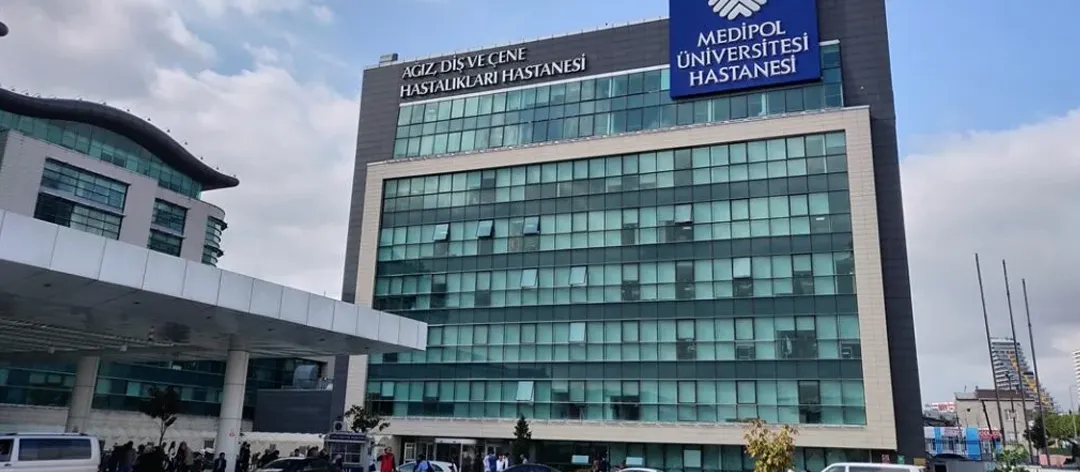
Medipol is a university affiliated hospital group with multiple campuses across Istanbul. Its academic structure operating within a university medical system means clinical practice is subject to institutional oversight, active research engagement, and continuing professional development requirements not universally present in standalone private facilities.
The fertility department covers the full range of reproductive treatments: IVF, ICSI, egg donation, surgical sperm retrieval, and preimplantation genetic testing.
The department operates at high patient volumes relative to smaller or boutique facilities, reflecting both the hospital’s scale and demand for its services. In practical terms, this translates to shorter wait times for initial consultations and procedures, and a clinical team with broad case experience across a wide diagnostic range.
Medipol’s international patient services are well developed. English speaking coordinators support patients from initial inquiry through treatment and follow up. The hospital’s scale and university affiliation are reflected in its pricing, which sits at the more accessible end of the range for internationally accredited facilities in Istanbul.
What US Patients Actually Pay: A Full Cost Breakdown

Understanding what is and is not included, before you confirm a program, is the most important financial step in this process.
Estimated All in Costs for a Standard Fresh IVF Cycle
| Cost Category | Estimated Range (USD) |
| IVF treatment (Turkey, including retrieval, lab, and transfer) | $3,000–$7,000 |
| Medications | $800–$2,500 |
| PGT A genetic testing (if required) | $400–$1,500 |
| US monitoring before travel (bloodwork and ultrasound) | $300–$800 |
| Round trip flights from the US to Istanbul | $600–$1,400 |
| Accommodation (12–16 nights) | $900–$2,400 |
| Medical travel insurance | $150–$400 |
| Visa, transfers, and incidentals | $200–$400 |
| Estimated total | $6,350–$16,500 |
For an IVF cycle with donor eggs, add approximately $3,000–$6,000 to the treatment cost, depending on the hospital and donor program.
What Is Typically Included in a Turkish IVF Package
Standard packages at the hospitals in this guide generally include:
- Ultrasound monitoring during stimulation
- Physician consultations
- Egg retrieval (ovum pickup)
- Anesthesia
- Embryology laboratory services, including fertilization and embryo culture
- Embryo transfer
Some packages include the first embryo freeze; many do not.

What Is Typically Not Included and Where Costs Accumulate
Medications
Stimulation medications are almost never included in quoted package prices. Most patients begin injections at home before traveling, using medications prescribed by their Turkish clinic or US doctor.
Medications can often be purchased in Turkey at significant savings compared to US retail prices. Many patients source part of their protocol locally after arrival.
If you plan to bring US prescribed medications, confirm brand equivalencies with your Istanbul clinic in advance. Formulations differ, and your protocol may require minor adjustment.
Genetic Testing
PGT A and PGT M are priced per embryo tested and are not included in base packages unless explicitly stated. Confirm this in writing before travel.
Embryo Storage
Ongoing annual storage fees for frozen embryos are separate from treatment costs. If you anticipate storing embryos for a subsequent frozen embryo transfer, request the storage fee schedule upfront.
Cycle Cancellation
IVF cycles are sometimes canceled before retrieval due to poor ovarian response, premature ovulation, or other clinical factors.
Turkish clinics, like US clinics, typically charge for monitoring and medications already administered. Cancellation and partial refund policies vary between hospitals and should be confirmed in writing before you travel.

US Monitoring
Before you fly, your Istanbul clinic will require baseline bloodwork and an ultrasound completed locally in the US.
Finding a monitoring clinic willing to support an overseas IVF cycle is not always straightforward. Many US reproductive endocrinologists decline monitoring only arrangements for patients treating abroad, citing liability and professional considerations.
Options include:
- Fertility nurse practitioner clinics
- Academic RE departments that accept monitoring only referrals
- Standalone monitoring services in major cities
My1Health can advise on finding appropriate monitoring support in your area.
How to Request an Accurate Quote
When requesting a cost estimate from a clinic directly or through My1Health ask for a line item breakdown, not a single package figure.
Specifically request clarity on:
- Which monitoring visits are included
- Whether anesthesia is included or billed separately
- The cost of embryo freezing
- The annual storage fee
- The cancellation policy and associated charges
- Whether genetic testing is performed in house or referred externally
A clinic that cannot or will not provide a line item breakdown warrants caution.

A Note on Medical Travel Insurance
Standard travel insurance policies do not cover IVF treatment or its complications.
Specialist medical travel insurance available through a limited number of providers can cover:
- Complications arising during treatment
- Emergency medical care while abroad
- In some cases, medical repatriation
It does not cover treatment costs or cycle outcomes.
Given the nature of the trip and the duration of stay, arranging coverage for medical emergencies while in Turkey is advisable, regardless of how straightforward your case appears.
Practical Istanbul Travel Guide
Planning and Preparing for Your Trip
Finding a Monitoring Clinic in the US
Before you travel, your Istanbul clinic will require baseline investigations typically cycle day 2 or 3 bloodwork and a transvaginal ultrasound completed locally and shared remotely.
You will also begin stimulation injections at home and, depending on your protocol, may need additional monitoring scans before departure.
Securing a monitoring clinic in the US is one of the more practically challenging steps in this process, and one patients are often not warned about.
Many US reproductive endocrinologists are reluctant to provide monitoring only services for patients treating overseas.
This is typically due to professional and liability considerations, not a reflection on the quality of your chosen clinic.
Address this early in your planning process.
Options include:
- Fertility focused nurse practitioner clinics in major cities
- Academic RE departments that accept monitoring only referrals
- Standalone reproductive monitoring services specializing in medical travel patients
- Your GP or OB GYN, who may arrange cycle day bloodwork through a local lab (though they are unlikely to interpret results within an IVF protocol)
My1Health can advise based on your location.
Where to Stay
The hospitals in this guide are located across Istanbul’s European side, with one exception: Anadolu Medical Center, located in Gebze on the Asian side, approximately 50 kilometers from the city center.
Recommended Neighborhoods (European Side)
Beşiktaş
Consistently recommended for IVF patients. Walkable, well connected by metro and ferry, and close to mid range and premium hotels. The Bosphorus waterfront is accessible on foot and offers a manageable environment for rest and light activity.
Şişli and Nişantaşı
Well positioned for Memorial’s Şişli campus. Quieter than Beşiktaş while remaining central, with strong hotel options across price ranges.
Levent and Maslak
Convenient for Acibadem’s northern campuses and served by the M2 metro line. Primarily business districts and quieter than Beşiktaş or Şişli preferred by some patients during the post transfer period.
Anadolu Medical Center (Gebze)
Most patients stay in central Istanbul and travel to Gebze for scheduled appointments (approximately 45–60 minutes by road, depending on traffic). Hotel options are also available in Gebze for those preferring proximity to the hospital.
My1Health can arrange transfers for either arrangement.

Getting Around
Istanbul Airport (IST) is located on the European side, approximately 45–75 minutes from central Istanbul by road, depending on traffic.
Transportation options include:
- Havaist airport bus network (serves central stops)
- Taxis
- Ride hailing services (BiTaksi operates citywide and functions similarly to Uber)
- Private transfers arranged through your coordinator or hotel
Within the city:
- The metro network covers most hospital relevant areas
- The M2 line runs through Şişli, Levent, and Maslak
- Taxis are metered, reliable, and inexpensive relative to US cities
- The Bosphorus ferry network provides practical east west crossings and a low effort activity between appointments
Between Appointments
During the stimulation phase (typically 8–12 days), monitoring appointments occur every 2–3 days. The time between appointments is unscheduled, and how patients use it meaningfully affects their experience.
Light activity walking, sightseeing at a comfortable pace, visiting cafés and restaurants is generally appropriate during stimulation and not contraindicated by most clinic protocols.
Strenuous exercise, alcohol, and high stress environments are not advisable.
Istanbul is well suited to a low intensity daily rhythm. Areas such as:
- Sultanahmet
- The Bosphorus waterfront
- The Spice Bazaar
- Karaköy
- Cihangir
After Embryo Transfer
The first 24 – 48 hours post transfer are typically handled differently. Most clinicians advise rest and minimal exertion during this period.
Current evidence does not support extended bed rest beyond that initial period. Light activity and a normal daily routine are generally encouraged.
The remaining days before medical clearance to fly are often spent resting and managing the psychological weight of the waiting period. A comfortable base, reliable food options, and a low pressure environment matter more during this phase than earlier in the trip.

What to Pack
Medications
Carry all fertility medications in hand luggage never in checked baggage.
- Temperature sensitive injectables require appropriate storage.
- Confirm whether your hotel provides a refrigerator.
- Ask your clinic whether medications should be transported with a cool pack.
TSA permits medically necessary injectable medications and associated needles through security. Carry prescription documentation and a brief letter from your prescribing physician. Most patients report no issues at customs.
Medical Records
Bring both printed and digital copies of your complete fertility history:
- Previous cycle summaries
- Bloodwork results
- Semen analysis reports
- Relevant imaging
- Prior diagnoses and treatment records
Organized records reduce time spent during the initial consultation.
Practical Items
- Loose, comfortable clothing (particularly around egg retrieval)
- Heating pad (commonly used for comfort post retrieval and post transfer)
- Offline maps downloaded before arrival
- Confirmation of reliable Wi Fi at your accommodation
You will need connectivity for clinic communication and coordination with your US medical team.
Documents
Carry both physical and digital copies of:
- Turkish e Visa (obtained online prior to travel)
- Passport
- Marriage certificate (if treatment involves egg donation)
- Insurance documentation
Keep all critical documents accessible in your carry on luggage.
How My1Health Helps US Patients Access IVF in Turkey

My1Health is a global healthcare facilitation platform. They've helped over 52,000 patients access care across more than 350 hospitals worldwide; including all five hospitals featured in this guide.
For IVF patients, My1Health acts as the coordinator between you and the hospital. They they remove the logistical friction that makes this process harder than it needs to be.
Here's what they handle on your behalf:
- Matching you with the right hospital for your specific situation
- Coordinating your initial consultation and treatment timeline
- Visa assistance and documentation guidance
- Airport transfers and hotel recommendations near your clinic
- 24/7 patient support throughout your trip
- Medical records and reporting for continuity of care when you return home
- Follow up coordination after treatment
My1Health's services come at no additional charge to the patient. Their support team is reachable via WhatsApp, phone, or email, and they work with patients across time zones.