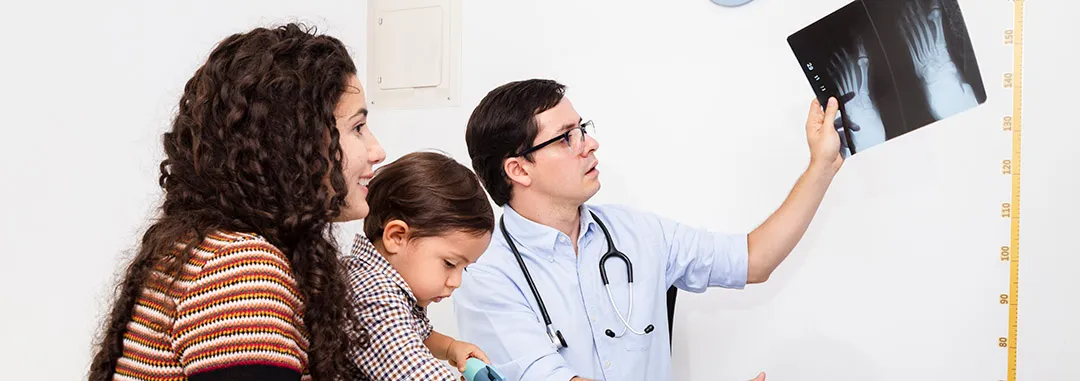


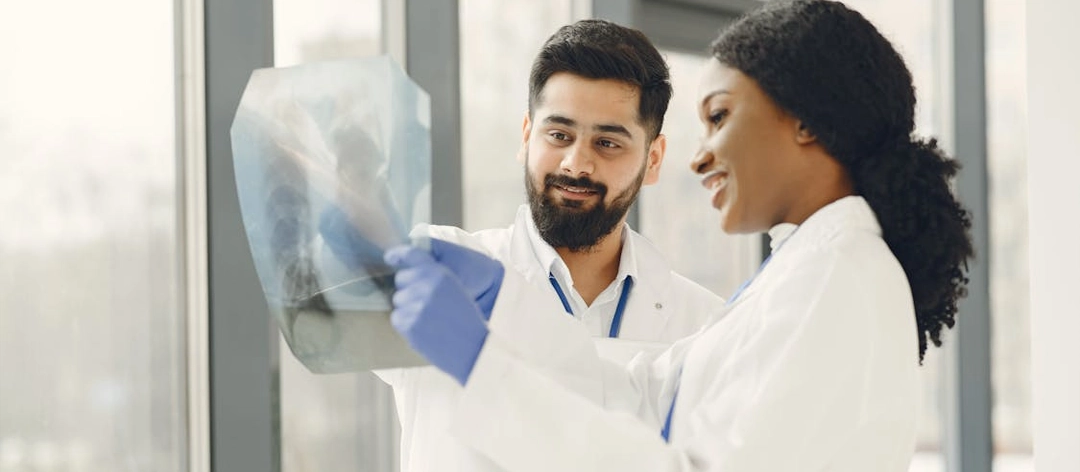
When pain limits your movement, it rarely stays contained in one joint or one area of your body. It affects your independence, your work, your sleep, and the simple confidence of knowing you can move through the day without hesitation.
For international patients considering orthopaedic treatment in Switzerland, the Hirslanden Private Hospital Group is one of the country’s most established networks for mobility focused care bringing together orthopaedic specialists, advanced diagnostics, surgical expertise, and rehabilitation planning in one coordinated pathway.
If you are ready to travel for treatment but want clarity on what the journey looks like from diagnosis to recovery and a safe return home this guide is designed to help you make decisions with confidence.
Speak with an international patient support specialist for Hirslanden!

Why Choose Switzerland for Orthopaedic Treatment
Switzerland has long been associated with precision including careful diagnostics, disciplined treatment planning, and structured recovery.
International patients choose Switzerland for orthopaedic care because it offers an environment built around high medical standards, advanced imaging infrastructure, and a strong culture of patient safety and privacy.
For complex spine conditions, joint degeneration, sports injuries, and mobility limiting pain, Switzerland is designed for patients who value accuracy, predictability, and long term function.
Why Hirslanden for International Orthopaedic Patients
Hirslanden is widely recognized within Switzerland as a major private healthcare network. Across its clinics, orthopaedics and sports medicine are core competencies supported by dedicated mobility clinics, modern infrastructure, and multidisciplinary medical teams.
Patients coming from abroad often look for three things:
- A trusted name
- A clear plan
- A smooth experience
Hirslanden is structured to deliver all three.
A further advantage for travel ready patients is that international pathways can begin before you fly. For many conditions, a remote review or second opinion can clarify whether conservative care is appropriate, whether surgery is likely, and what your recommended treatment plan would look like in Switzerland.
Patients coming from abroad often look for three things: a trusted name, a clear plan, and a smooth experience. Hirslanden is structured to deliver all three.

A Clear Treatment Pathway: From Condition to Diagnosis to Recovery
Orthopaedic care is most successful when it follows a logical sequence. At Hirslanden, the pathway can be understood in five stages:
- Conditions treated
- Diagnostics
- Non-surgical options
- Surgical procedures (when needed)
- Rehabilitation
Conditions Treated
Orthopaedic specialists at Hirslanden treat both sudden injuries and long term degenerative conditions that affect the body’s musculoskeletal system bones, joints, muscles, tendons, and ligaments.
Common reasons international patients seek care include:
- Joint degeneration and osteoarthritis (hip, knee, shoulder)
- Chronic back or neck pain with functional limitation
- Disc degeneration and selected spine conditions
- Sports injuries (ligament tears, cartilage injuries, recurrent instability)
- Fractures and traumatic injuries
- Foot and ankle pain affecting walking and balance
- Hand and wrist conditions affecting grip and daily function
Hirslanden specialists treat conditions affecting:
- Hips and pelvis
- Knees
- Shoulders and elbows
- Hands and wrists
- Feet and ankles
- Spine
Confirm if Hirslanden treats my specific condition
Advanced Diagnostics and Evaluation
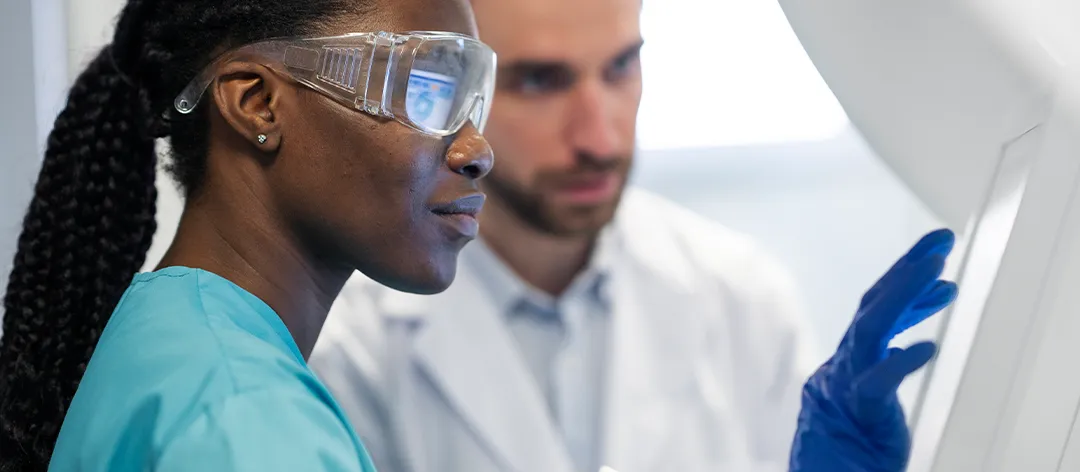
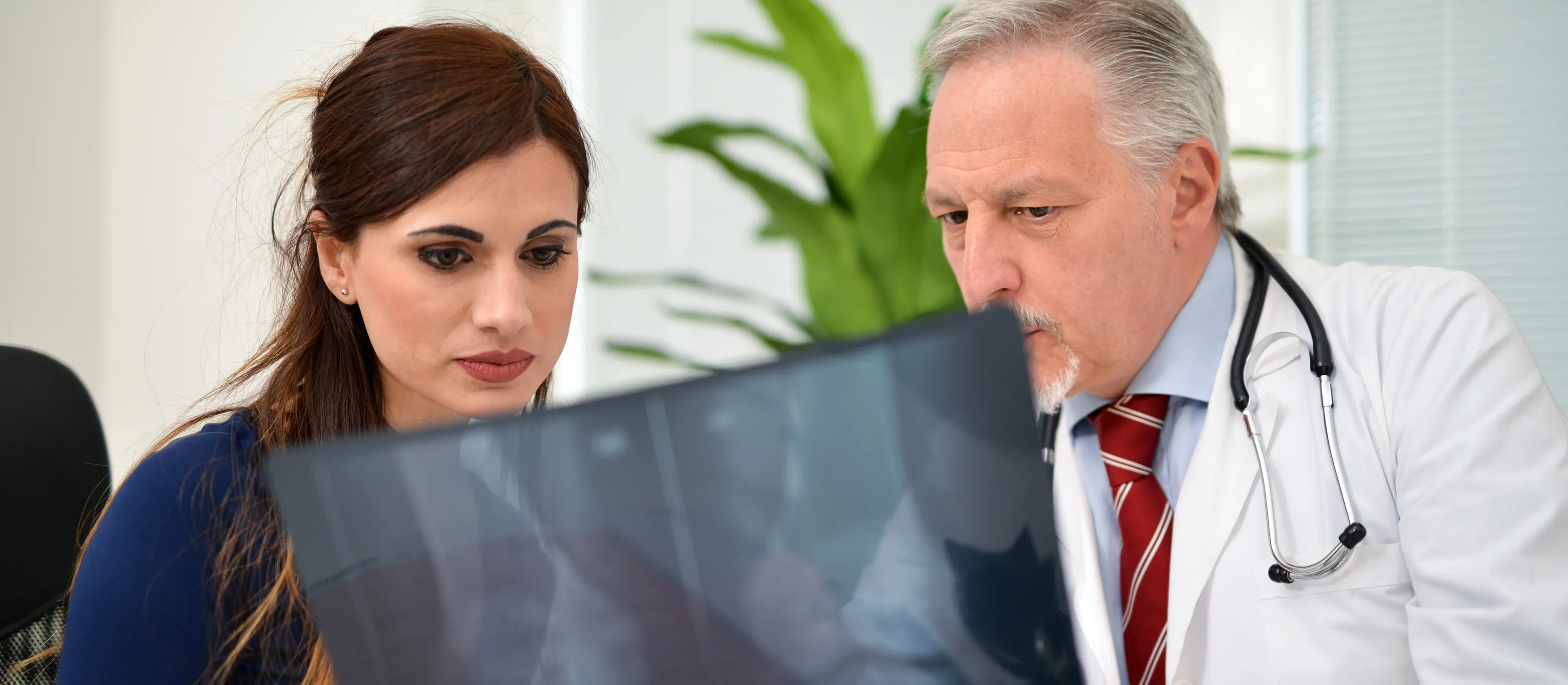
Orthopaedics is decision driven. The right treatment depends on the right diagnosis. International patients often arrive with previous imaging already completed. When appropriate, your Swiss team may review existing studies, recommend additional imaging, or repeat specific tests to ensure the clinical picture is complete.
Diagnostics in a modern orthopaedic pathway may include:
- MRI for joint cartilage, ligaments, tendons, and spinal discs
- CT scanning for bone anatomy, complex fractures, and surgical planning
- Ultrasound for dynamic soft tissue assessment
- Digital X ray imaging for alignment and joint degeneration
- Bone density assessment (when osteoporosis or fragility fractures are relevant)
- Cardiopulmonary evaluation when surgery is being considered
- Functional assessment for mobility and performance planning
The goal is not “more testing.” The goal is a treatment plan you can trust.
Non-Surgical Treatment Options First, When Appropriate
High quality orthopaedic care does not begin with an operating theatre. When conservative treatment is likely to deliver meaningful improvement, it should be explored.
Depending on your diagnosis, non-surgical options may include:
- Targeted physiotherapy and mobility programs
- Specialist pain management approaches
- Shockwave therapy for selected tendon and soft tissue conditions
- Sports medicine rehabilitation for return to performance
- Complementary therapies used in a structured medical plan (such as acupuncture)
- Posture and spine assessment for mechanical back pain patterns
For international patients, this stage is especially valuable because it provides reassurance: you are not traveling for a “procedure.” You are traveling for the right medical decision.
Check if I can avoid surgery for my specific orthopaedic condition
Surgical Procedures: Precision When Surgery Is the Best Option
When surgery is the most effective long term solution, the focus shifts to precision, safety, and recovery planning.
Common procedures offered within modern orthopaedic centres include:
- Arthroscopic (keyhole) surgery for selected joint conditions
- Hip replacement surgery for severe hip arthritis and function loss
- Knee replacement (total or partial, depending on diagnosis)
- Revision joint surgery when a previous implant fails or wears over time
- Spine surgery for selected degenerative and structural conditions
- Trauma surgery for fractures and complex injuries
Orthopaedic surgery today increasingly uses advanced technology for planning and precision, including navigation and robotic support in selected joint procedures. The purpose is not novelty it is accuracy.
Discuss my surgery options with a leading Swiss orthopaedic surgeon
Rehabilitation and Recovery Planning: Where Outcomes Are Protected
Recovery is the second half of treatment. A structured rehabilitation plan reduces setbacks and supports a safe return to walking, strength, and confidence.
Depending on your condition and procedure, your recovery pathway may include:
- Early mobilization protocols (often beginning within the hospital stay)
- Personalised physiotherapy milestones
- Strength rebuilding and gait re training
- Sports performance rehabilitation when return to activity is a goal
- Follow up assessments to ensure recovery is progressing as expected
Patients are guided through what to expect week by week so recovery does not feel uncertain.
A Swiss Difference Many Patients Don’t Know About: National Implant Registries
In Switzerland, hip and knee replacement surgery is tracked through a national registry that collects data to support quality improvement and patient safety. Switzerland also has a spinal implant registry for selected spine surgeries.
For international patients, this matters because it reflects a system that monitors outcomes and implant performance not just at one hospital, but at a national level.
This approach supports early identification of poorly performing implants or processes, and it strengthens a culture of continuous learning.
Travelling to Switzerland for Orthopaedic Treatment: What to Expect
Planning a medical trip should feel structured and calm. The goal is simple: remove uncertainty before you travel.
Help me plan my Switzerland orthopaedic visit step by step
Start Before You Fly: Remote Case Review and Second Opinion
Many international patients benefit from a structured review before travel. This can clarify:
- Whether surgery is recommended, and why
- Whether conservative treatment could work
- What type of procedure is being considered
- What timeline and length of stay you may need
- What information is still missing (e.g., imaging, lab tests, specialist clearance)
A remote review does not replace an in person examination, but it can prevent wasted travel and help you arrive prepared.
The Medical Records That Make a Swiss Opinion Stronger
For orthopaedic and spine cases, your records matter. The most helpful information to prepare includes:
- Your imaging (MRI/CT/X ray), ideally in digital format with radiology reports
- A summary of symptoms: where the pain is, what triggers it, what limits you
- Previous treatments tried (physiotherapy, injections, medications)
- Prior surgery notes (if applicable), including implant details
- Medication list, allergies, and relevant medical conditions
- Any recent blood tests or cardiology clearance if surgery is likely
A well prepared file speeds up decision making and supports accuracy.
Visa and Entry Planning
Switzerland is a Schengen destination. Visa requirements depend on your nationality and where you live, but the general process typically involves an appointment, biometric requirements, and submission of supporting documentation.
For travel ready patients, the key is timing: start early, keep documentation precise, and ensure your medical appointment and travel plan are aligned.
Arrival, Accommodation, and Moving Comfortably
Switzerland is known for reliable transportation, clear signage in international airports, and a high level of public safety.
For orthopaedic patients, comfort and mobility matter. Many patients choose accommodation based on:
- Proximity to the clinic or hospital
- Ease of transport (minimal stairs, elevator access)
- Quiet recovery friendly environment
- Access to appropriate meals and basic services
Your experience is smoother when accommodation is planned around your mobility needs, not just location.
Aftercare and Returning Home: The Part That Protects Your Result
For international patients, aftercare is not optional. It is the bridge between the Swiss hospital and your long term outcome at home.
Before you return home, you should expect a clear discharge and follow up package, typically including:
- Discharge summary and surgical report (if surgery was performed)
- Imaging copies and clinical findings
- Medication instructions and prescription guidance
- Wound care or incision guidance when relevant
- Physiotherapy plan and activity milestones
- Clear advice on follow up timing and warning signs to monitor
Flying After Orthopaedic Surgery
Many patients worry about flying after surgery, especially due to swelling and blood clot risk. The right approach is individualized: your surgeon and care team should advise you based on your procedure, your health profile, and the length of travel.
A safe return home is part of the plan never an afterthought.
Continuing Your Recovery at Home
Recovery continues after you leave Switzerland. Before travel, it helps to arrange:
- A physiotherapy provider in your home country
- A simple home setup that supports safe movement
- A family member or companion plan for the first days after arrival
- A follow up communication pathway for questions

How My 1Health Supports International Patients Going to Switzerland
Choosing where to go is only one part of the decision. The other part is execution: turning a medical plan into a smooth, safe journey.
My 1Health supports travel ready patients by coordinating the pathway from case review to treatment access and aftercare planning. This includes:
- Preparing a complete medical file for review
- Clarifying the sequence of steps before travel
- Supporting coordination with the treating facility
- Assisting in planning a continuity pathway after discharge
Let My 1Health coordinate my orthopaedic care at Hirslanden Switzerland