


Turkey has become one of the world’s most trusted destinations for life saving heart surgery, welcoming thousands of patients from the UK, Europe, the Middle East, and Africa every year.
Known for its world-class hospitals, internationally trained surgeons, and significantly lower treatment costs, Turkey offers a rare balance of medical excellence and affordability.
In this guide, you’ll learn what makes Turkey a global hub for cardiac care from safety standards and surgical outcomes to costs, recovery, and travel logistics.

We’ll also introduce the 5 best hospitals for heart surgery in Turkey:
- Anadolu Medical Center
- Medipol Mega University Hospital
- Acıbadem Hospitals Group
- Memorial Hospitals Group
- Liv Hospital
By the end, you’ll understand exactly why patients choose Turkey for heart surgery and how My 1Health Patient Support Specialists can help you plan every step from diagnosis and travel to recovery and follow up.
Top 5 Heart Surgery Hospitals in Turkey
Turkey has numerous excellent hospitals, but a few stand out especially for heart surgery. Below are five of the top heart surgery hospitals in Turkey, renowned for their cardiac care.
Each of these facilities offers international patient services, English-speaking staff, and top-tier cardiac surgeons.
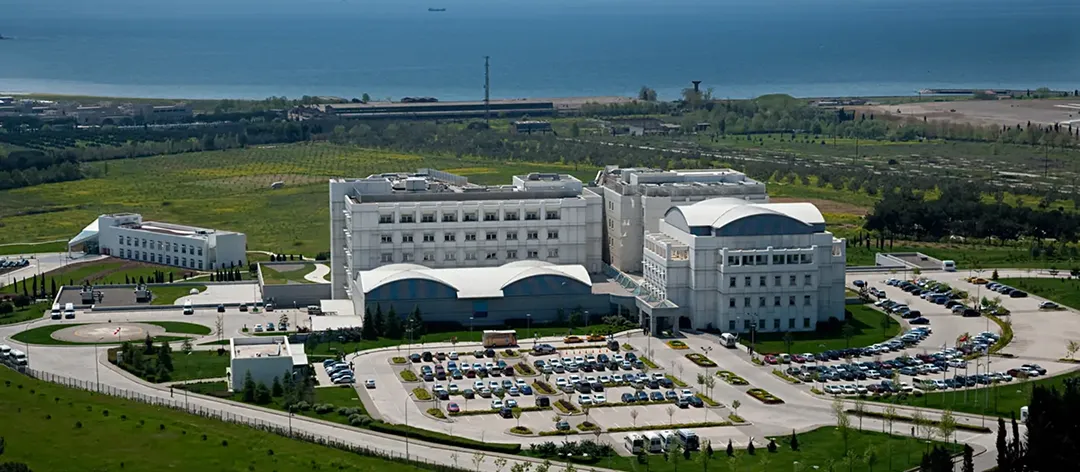
1. Anadolu Medical Centre
Anadolu Medical Centre is a JCI‑accredited hospital affiliated with Johns Hopkins Medicine (USA), meaning its cardiac protocols follow American safety and quality standards and you can even access second-opinion consultations through Hopkins specialists.
The Heart & Vascular Centre treats everyone from newborns to adults. Surgeons are experts in minimally invasive and robotic heart surgery, supported by 3D cardiac MRI, CT angiography, and hybrid operating theatres.
With 59 ICU beds (including dedicated coronary and paediatric ICUs) and 8 operating rooms, Anadolu is equipped to handle the most delicate and complex heart procedures.
Advanced Heart Procedures at Anadolu
- Coronary artery bypass (on‑pump, off‑pump / beating‑heart)
- Valve repair and replacement (mechanical/biologic; minimally invasive where feasible)
- Aortic aneurysm & dissection surgery (ascending/root/arch)
- Paediatric & congenital cardiac surgery (infants to adolescents)
- ASD/VSD closure (surgical; catheter‑based via partner pathway)
Cost of Coronary Bypass (CABG) at Anadolu (USD)
- On‑pump CABG: ~$11,429–16,521
- Off‑pump CABG: ~$13,586–20,334
- Minimally invasive CABG: ~$16,578–22,507
- Robot‑assisted CABG: ~$19,809–28,162
- Redo CABG: ~$13,415–20,140
2. Medipol Mega University Hospital
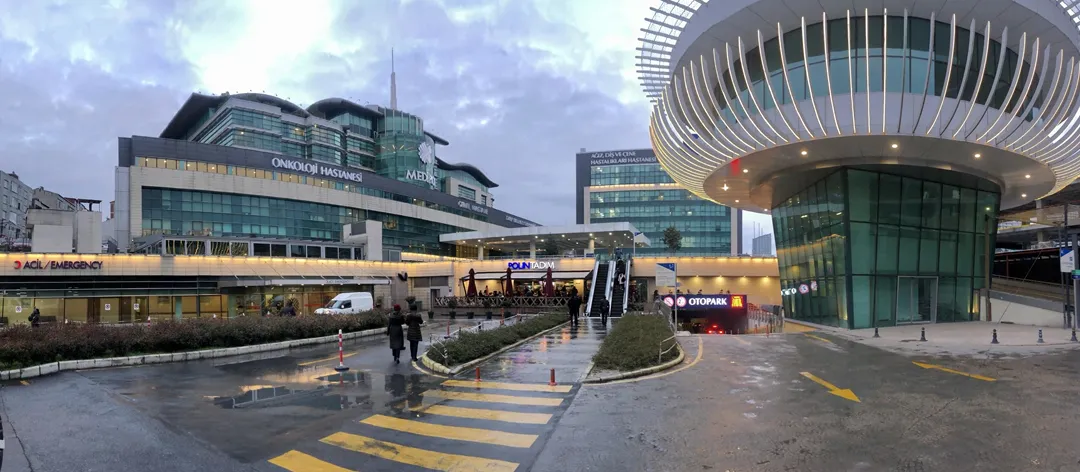
Medipol Hospital is one of Turkey’s largest academic medical cities and a referral centre for the toughest cardiac cases. It is JCI‑accredited, with extensive ICUs, 25 operating rooms, a helipad, and ECMO/perfusion support on standby.
Medipol is among the few private centres offering heart transplantation and mechanical circulatory support (VAD/LVAD).
The hospital boasts “the most experienced academic cardiovascular surgery team in Turkey,” capable of performing all heart surgeries from newborn babies to patients over 90 years old. Additionally, they perform heart transplants and artificial heart device implants.
Medipol’s surgeons are pioneers in robotic cardiac surgery and minimally invasive techniques, utilising the Da Vinci robot for certain heart procedures.
With 25 modern operating theatres, Medipol Hospital can handle multiple complex cases simultaneously. It also treats over 400,000 patients per year across its departments, indicating vast experience.
Advanced Heart Procedures at Medipol
- Heart transplantation and VAD/LVAD implantation
- Robotic mitral valve repair; minimally invasive valve/CABG
- Complex aortic surgery; combined CABG+valve operations
- Redo cardiac surgery after prior sternotomy
- Full paediatric & congenital cardiac service (newborns to teens)
Cost of Advanced Heart Surgery at Medipol (USD)
- CABG/Valve (standard cases): price on request (Istanbul benchmark ~$8,930–35,000; average ~ $17,600)
- Transplant / VAD: case‑by‑case quotation after full review
3. Acıbadem Hospitals Group

Acıbadem is a premium private network with multiple JCI‑accredited hospitals across Istanbul. Every location features modern architecture, hotel style rooms, and state-of-the-art technology.
Acibadem’s hospitals often feature cutting-edge technology from Flash CT scanners that image the heart in seconds to hybrid operating rooms and CyberKnife, TrueBeam, and other advanced systems for cardiology and oncology.
The hospital operates 12 dedicated Heart Centres handling a high volume of cases and have excellent outcomes.
Acibadem is also at the forefront of minimally invasive and robotic heart surgery. With its vast resources, Acibadem Hospital often caters to VIPs and international patients seeking the very best.
Advanced Heart Procedures at Acıbadem
- CABG (on‑ and off‑pump) with multi‑arterial grafting
- Robotic mitral valve repair/replacement
- TAVI (transcatheter aortic valve) & MitraClip pathways
- Arrhythmia surgery including surgical Maze; EP‑led ablation pathways
- Paediatric & congenital surgery; VAD in select centres
Cost of Heart Surgery at Acıbadem (USD)
- CABG/Valve: price on request (Istanbul benchmark ~$8,930–35,000; average ~ $17,600)
- Structural (TAVI/MitraClip): higher than open surgery; quoted after imaging conference
4. Memorial Hospitals Group

Memorial Şişli Hospital was Turkey’s first JCI-accredited hospital. The hospital’s Cardiac Health Centres provide comprehensive heart care. They offer the full spectrum of cardiac surgery.
Memorial emphasizes a multidisciplinary approach: their cardiologists and cardiac surgeons work in tandem, ensuring that each patient’s case is reviewed collaboratively for the best treatment plan.
They pride themselves on fast service – tests and consultations that might take weeks elsewhere are done in days at Memorial.
Memorial’s surgical outcomes are excellent, and it’s also known for treating complex cases (e.g., patients with multiple comorbidities) with high success.
Advanced Heart Procedures at Memorial
- CABG (on‑pump / off‑pump) with beating‑heart expertise
- Robotic valve repair/replacement at designated centres
- Aortic aneurysm & arch reconstruction
- Congenital cardiac surgery (paediatric & adult)
- ASD closure (surgical or catheter‑based)
Cost of Heart Surgery at Memorial (USD)
- On‑pump CABG: ~$12,398–16,909
- Off‑pump CABG: ~$14,593–21,264
- Minimally invasive CABG: ~$15,949–21,645
- Aortic aneurysm repair: ~$11,929–32,028
5. Liv Hospital

Liv Hospital Istanbul is JCI accredited and ISO 9001 certified, with 159 beds, 8 operating rooms, and a dedicated cardiac team. The hospital has been recognized for excellence in areas like robotic surgery and advanced cardiac care.
The hospital’s Cardiology and Cardiovascular Surgery departments handle all types of adult heart surgeries and many pediatric cases.
They are known for using the latest technology and minimally invasive techniques. For example, Liv surgeons perform beating-heart bypass surgeries, complex arterial grafting, and valve repairs often via smaller incisions when feasible.
The hospital has invested in technologies like 3D imaging, intraoperative mapping systems, and hybrid operating rooms that allow combined catheter-based and surgical procedures.
Liv’s cardiac team includes several professors and renowned surgeons, some of whom have overseas training. The hospital offers a more boutique, patient-focused experience – sometimes preferred by patients who want more personalized attention.
Advanced Heart Procedures at Liv:
- Beating‑heart (off‑pump) CABG
- Minimally invasive & hybrid valve repair/replacement
- TEVAR and targeted aortic repair
- Structural heart interventions (TAVI, MitraClip)
- Pacemaker & ICD implantation; selected paediatric cases
Cost of Coronary Bypass (CABG) at Liv (USD)
- Hospital list price: ~$25,000
- Package via partner: ~$20,000, typically including surgeon & anaesthesia fees, ~10‑day hospital stay, medicines, and nursing
Is Heart Surgery Safe in Turkey? Quality, Safety Standards & Outcomes

I. Internationally accredited hospitals
Turkey’s leading hospitals operate at international standards of quality and safety. The country is home to 25+ hospitals accredited by the Joint Commission International (JCI), a gold standard for quality and patient safety.
This accreditation ensures that hospitals meet rigorous benchmarks in areas such as surgical safety, infection control, patient rights, and overall quality of care.
II. High-volume cardiac teams
Heart surgery outcomes in Turkey are among the best in the region, largely due to the expertise and experience of its surgical teams.
The country’s cardiothoracic surgeons have performed thousands of procedures, many having trained or practiced in leading hospitals in the United States, United Kingdom, and Europe.
Their exposure to global best practices, combined with Turkey’s high patient volume, contributes to consistently excellent results in bypass, valve, and complex cardiac surgeries.
III. Advanced surgical technology
Turkey’s cardiac centres are equipped with some of the most advanced medical technologies available.
3D cardiac MRI, CT angiography, hybrid operating rooms, and robotic systems such as the Da Vinci Xi are routinely used in major hospitals.
These innovations make minimally invasive and robotic-assisted procedures possible, improving precision, reducing recovery times, and minimising scarring.
Patients benefit from modern facilities designed to deliver high-performance medicine with maximum comfort and safety.
IV. Full spectrum of adult & paediatric care
From adult heart bypass and valve replacement to pediatric and congenital cardiac surgery, Turkey’s top hospitals provide comprehensive cardiac care under one roof.
Select centres even perform heart transplants and complex neonatal procedures, such as those available at Medipol Mega University Hospital. This breadth of capability allows families to access expert treatment for patients of any age or condition in a single destination.
V. Built-in safety and critical care
Patient safety is a cornerstone of cardiac care in Turkey. Hospitals adhere to strict sterilisation and infection control standards, supported by digital medication management systems like Pyxis for precise drug dispensing.
Dedicated Coronary and Cardiovascular Intensive Care Units (ICUs) are staffed by specialised teams who monitor patients continuously during and after surgery. These units are equipped to handle any post-operative complications swiftly and effectively.
VI. 24/7 readiness for emergencies
Round-the-clock readiness is another defining feature of Turkey’s major cardiac centres. 24/7 cardiac emergency teams, backed by on-site helipads for rapid transfers, ensure that urgent situations can be managed without delay.
Whether it’s a sudden complication or an emergency referral, hospitals are prepared to respond immediately offering reassurance that critical care is always close at hand.
The Heart Surgery Journey in Turkey (Step-by-Step)

I. Research and Initial Consultation
Your journey starts with finding the right hospital and surgeon for heart surgery in Turkey.
Through My 1Health, a dedicated Patient Support Specialist helps you choose the most suitable hospital and surgeon based on your diagnosis, goals, and budget.
Once you shortlist a hospital, your specialist shares your medical reports, angiography, and echocardiogram securely with top cardiac teams in Turkey. They review your case remotely and prepare a personalised treatment plan with cost estimates and surgery dates.
Your specialist also assists with travel documents and medical visa preparation, so you’re ready to proceed confidently.
II. Travel Arrangements
When your surgery plan is confirmed, your My 1Health specialist handles all logistics securing your medical invitation letter, helping with the visa application, and booking flights, accommodation, and airport transfers.
Interpreters and scheduling are arranged before arrival.
Most patients reach Turkey 2 - 3 days before surgery for rest, tests, and consultations. With My 1Health managing travel and paperwork, you can focus entirely on your upcoming procedure.
III. Pre-Operation Work-Up in Turkey
Pre-surgery evaluations are completed quickly, often within a day. You’ll meet your cardiologist and cardiothoracic surgeon and complete any required tests such as blood work, ECG, echocardiogram, CT scan, or angiography.
If needed, an interpreter will assist during discussions and consent. Your specialist keeps reports organised and ensures you understand your treatment and recovery plan.
IV. Surgery Day and Intensive Care
On surgery day, your Patient Support Specialist ensures smooth admission and keeps your family informed.
Leading Turkish hospitals use advanced cardiac operating theatres for bypass or valve surgery, usually lasting 3 – 5 hours.
Afterwards, you’ll recover in a Cardiac ICU for 1 - 2 days under constant monitoring by specialised nurses and anaesthesiologists.
Your specialist coordinates updates and any immediate support you or your family need.
V. Recovery and Discharge
After ICU care, you’ll move to the cardiac ward for 5 – 7 days of recovery. Physiotherapists guide gentle movement and breathing exercises to help you regain strength. Your specialist checks in daily to ensure comfort and special requests are met.
When discharged, you receive a summary of your surgery, medication plan, and home-care instructions. My 1Health arranges a hotel or guest-house stay for the additional 5 – 7 days usually recommended before flying home.
VI. Post-Discharge, Travel, and Long-Term Aftercare
Before departure, you’ll attend a follow-up visit for stitch removal (if needed), an echocardiogram or X-ray, and a fit-to-fly certificate. Most patients can travel home 10 – 14 days after surgery.
Your Patient Support Specialist organises airport transfers, wheelchair help, and translation of your medical records and scans for your local doctor.
Recovery continues for 6 – 12 weeks at home. My 1Health schedules remote check-ins with your Turkish surgeon, supports your cardiac rehabilitation, and stays available for advice at any stage.
From your first inquiry to full recovery, you’ll always have a dedicated specialist by your side.