

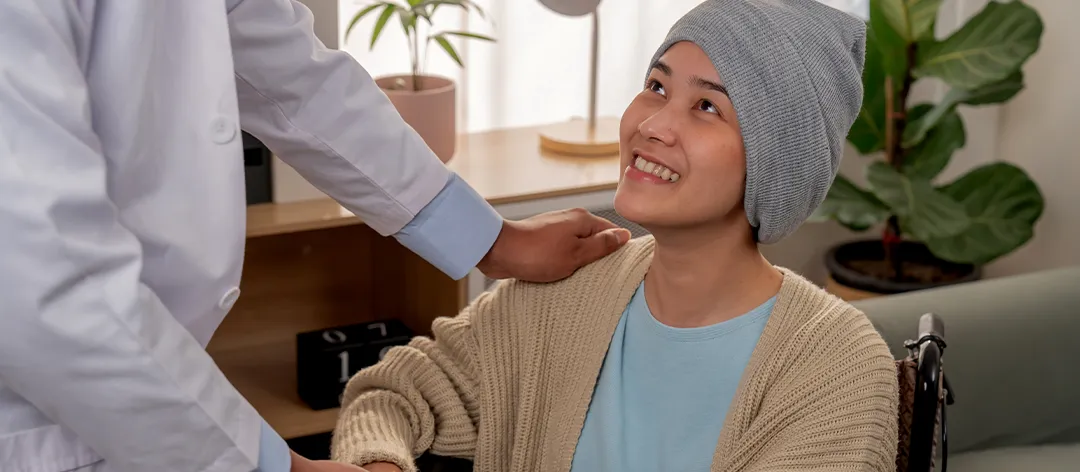
For blood cancer patients who have relapsed after chemotherapy or a first transplant, China is now one of the most clinically credible destinations in the world for CAR-T therapy.
The best CAR-T cell therapy hospitals in China offer published outcomes, high treatment volumes, and international patient programmes that make China a legitimate option alongside India and Singapore.
My 1Health is a global medical tourism company, with offices in Nairobi, Dubai, and Delaware, USA, that has partnered with all 3 hospitals in this guide to assist international patients at no cost to them. Our specialist team connects patients to each hospital's multidisciplinary specialist board for treatment plan review, and handles medical visa documentation, travel, airport transfers, accommodation, and 24/7 patient support throughout, all completely free with a same-price guarantee.
This guide profiles 3 verified partner hospitals in Beijing and Guangzhou with CAR-T and immunotherapy programmes. By the end, you will know which hospital fits your diagnosis, what to budget for, and exactly how to take the next step.
Not sure where to start? Speak to our international patient support team on WhatsApp.

Why China Is a Credible Option for Blood Cancer Treatment
China's CAR-T programme is larger and more published than most patients realise. Here is why it belongs on your shortlist:
- GoBroad Healthcare Group covers 8 single-target and 2 dual-target CAR-T protocols, including CD7 and CD5 for T-cell leukaemias and CLL1 for transformed AML. Most centres in India and Thailand do not yet treat these commercially with CAR-T.
- China offers several thousand published CAR-T cases with peer-reviewed outcome data, a depth of evidence not matched by most other destinations at this stage.
- CAR-T therapy in China costs USD 30,000 to USD 80,000, well below Singapore (USD 80,000 to USD 150,000) and comparable to India, with more published CAR-T outcome data.
- All 3 hospitals in this guide are verified My 1Health partner hospitals. Coordination is completely free to the patient.
The 3 Best CAR-T Hospitals in China: Quick Navigation
Use this to find your hospital quickly. Full profiles follow below.
1. GoBroad Healthcare Group, Beijing
2. Beijing Jingdu Children's Hospital, Beijing
3. United Family Healthcare, Beijing
| Hospital | Programme | Best For |
| GoBroad Healthcare Group | Several thousand CAR-T cases. Phase I and II trials open to international patients | Relapsed leukaemia, lymphoma, myeloma. Rare targets: T-ALL, CLL1, CD5 |
| Beijing Jingdu Children's Hospital | 85%+ CR in paediatric B-cell leukaemia. Paediatric proton therapy centre | Children aged 1 to 18 with leukaemia, lymphoma, solid tumours |
| United Family Healthcare | MDT-led CAR-T for B-cell lymphoma and myeloma. English clinical environment | B-cell lymphoma, multiple myeloma, patients wanting English-language care |
1. GoBroad Healthcare Group: Best CAR-T Hospital in Beijing
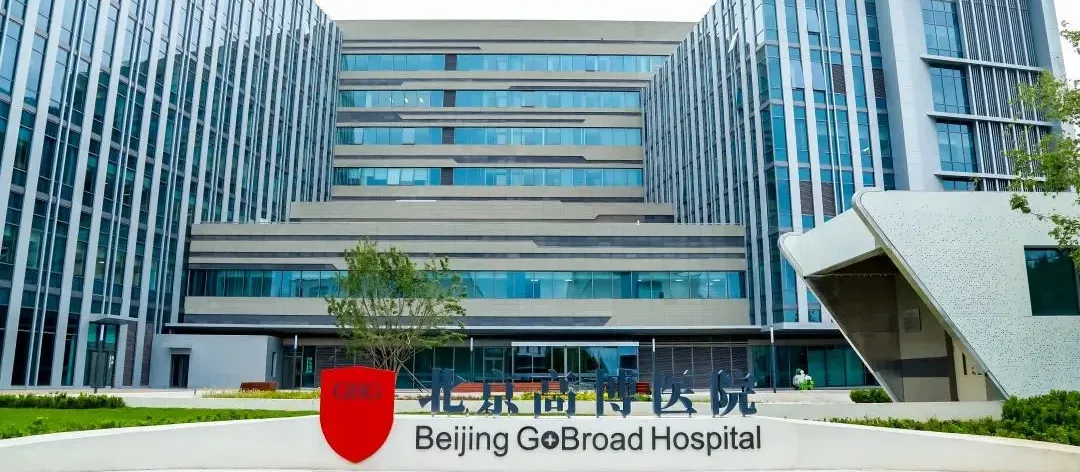
GoBroad Healthcare Group is China's first international research-oriented hospital, opened in July 2023 at Changping Life Science Park, Beijing. It has the widest CAR-T target portfolio of any hospital in this guide, with several thousand cases performed and published results that match leading centres globally.
CAR-T Protocols and Published Results
Results below are from GoBroad clinical studies and peer-reviewed publications, including papers cited in PubMed and presented at ASH 2024, EHA 2025, EBMT 2025, and APBMT 2025.
| Cancer and Protocol | Result |
| Relapsed B-cell ALL (B-ALL): CD19 CAR-T | Over 90% complete remission |
| Relapsed B-ALL post-transplant: Sequential CD19 and CD22 CAR-T | 18-month overall survival 88.5% |
| B-ALL after CD19 treatment failed: CD22 CAR-T | 71% complete remission, near 100% MRD-negative |
| Children with relapsed B-ALL: Sequential CD19-CD22 CAR-T | 18-month overall survival 96% |
| T-cell ALL (T-ALL): Donor-derived CD7 CAR-T | 90% complete remission, 27-month follow-up ORR 95% |
| T-ALL after CD7 treatment failed: CD5 CAR-T | 100% achieved remission by day 30 |
| Paediatric Burkitt lymphoma: Triple-target CD19/CD20/CD22 | 100% response rate, 86.9% remission at 18 months |
The CD22 CAR-T protocol after CD19 failure and the triple-target Burkitt lymphoma result are both global firsts. For patients who have relapsed after prior CAR-T or exhausted standard treatments, these options are simply not available at most hospitals worldwide.
Accreditation and Research Standing
JCI-accredited. Research published in Frontiers in Medicine and Nature Medicine affiliated journals. Presented at ASH, EHA, EBMT, and APBMT — the 3 key international haematology conferences. For patients whose oncologists want peer-reviewed evidence before recommending travel, this record is the clearest verification available.
International Patient Support
Dedicated international patient department. English is the clinical working language. My 1Health coordinates the hospital matching, visa invitation letter, airport transfer, accommodation, and interpretation for all consultations. Arabic, French, Swahili, and Bengali interpretation available through My 1Health.
Want to know if your diagnosis qualifies for GoBroad's CAR-T programme?
2. Beijing Jingdu Children's Hospital: Paediatric Blood Cancer Treatment
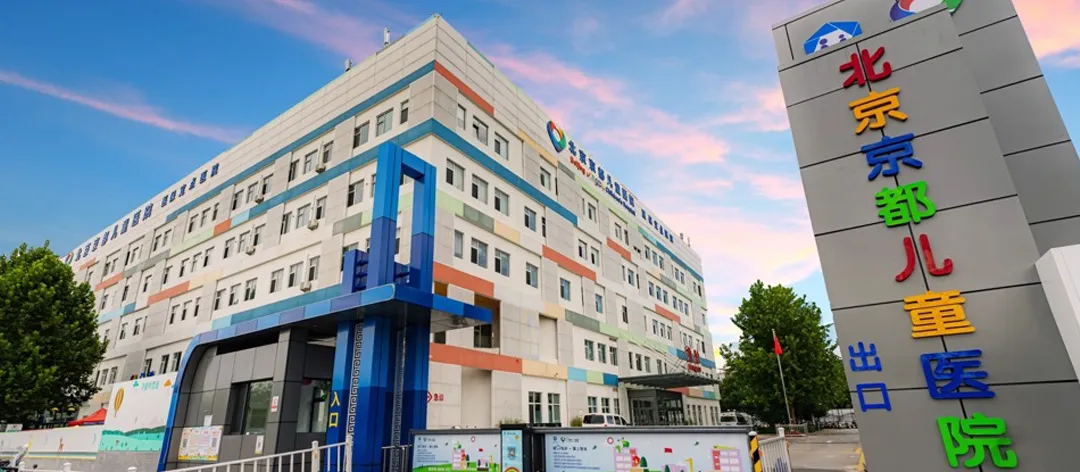
Beijing Jingdu Children's Hospital is China's leading specialist paediatric oncology centre for international patients. Led by Professor Wu Minyuan (State Council Expert) and Professor Sun Yuan, it integrates 12 specialties through weekly multidisciplinary consultations, collaborates with St. Jude Children's Research Hospital in the US and the Hopp Children's Cancer Centre in Germany, and leads more than 20 international multi-centre clinical trials.
CAR-T and Survival Results for Children
For relapsed or refractory B-cell leukaemia using CD19 and CD22 dual-target CAR-T, Beijing Jingdu reports a complete remission rate exceeding 85%.
GoBroad's Phase II sequential CD19-CD22 study in 81 children with relapsed B-ALL reported an 18-month overall survival rate of 96%. Depending on your child's specific diagnosis, either hospital may be the stronger match.
| Condition | This Hospital | China Average |
| Acute lymphoblastic leukaemia (ALL): 5-year survival | 92% | 80% |
| Stage IV neuroblastoma (high-risk childhood solid tumour): 5-year survival | 55% | 35% |
| Hepatoblastoma (paediatric liver tumour): 5-year survival | 85% | 70% |
| Relapsed B-cell leukaemia: CAR-T complete remission (CD19/CD22) | Over 85% | |
| Neuroblastoma: CAR-T complete remission (GD2 target) | Over 85% |
Technology That Matters for Children
One of the few hospitals in China with a dedicated paediatric proton therapy centre. Proton therapy delivers precise radiation that protects developing organs including the brain, spine, and growth plates. This matters for children's long-term development in a way that standard radiotherapy cannot guarantee.
What Parents Need to Know
Treatment requires 6 to 10 weeks in-country. Paediatric wards include provisions for parents staying with their child. My 1Health coordinates parent accommodation near the hospital and arranges interpretation for all consultations. We recommend a video consultation with the specialist team before any travel decision. We can arrange this within 48 to 72 hours.
For your child's case, a video consultation is the right first step. Contact us, and we will arrange one with Beijing Jingdu's specialist team.
3. United Family Healthcare: CAR-T in Beijing, in English
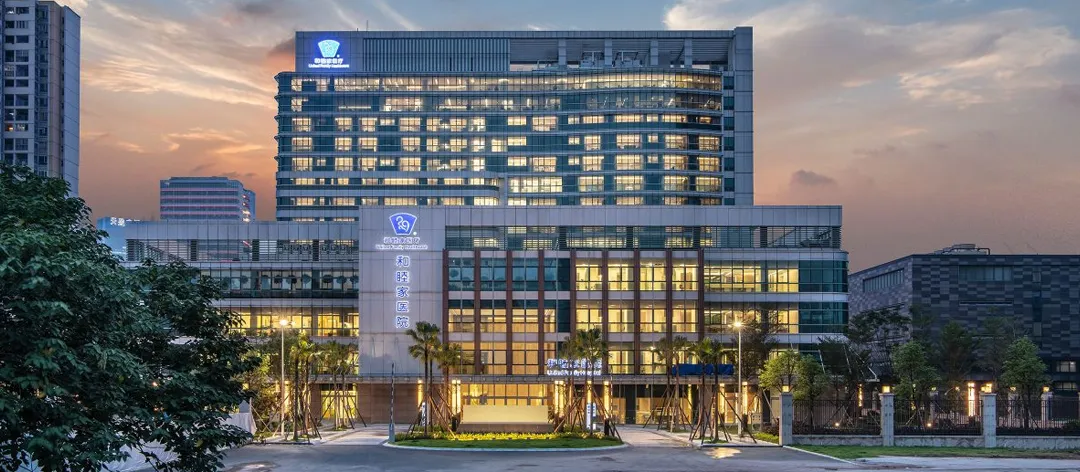
United Family Healthcare is JCI-accredited, operates in English, and runs a CAR-T programme supported by a multidisciplinary team including haematologists, oncologists, dietitians, and clinical psychologists. For patients from the UK, GCC, East Africa, and Southeast Asia who want clinical quality alongside direct English-language care, it is the strongest option in Beijing for this profile.
Who United Family Treats
Eligible patients: Adults with relapsed or refractory large B-cell lymphoma (after two or more prior treatments), and adults with relapsed or refractory multiple myeloma.
The CAR-T Process in Five Steps
- T-cell collection from peripheral blood (2 to 3 hours)
- CAR-T cell engineering and preparation (2 to 3 days)
- Pre-infusion conditioning chemotherapy to prepare the immune system (5 days)
- CAR-T cell infusion (approximately 30 minutes)
- Inpatient monitoring for side effects. Cytokine release syndrome, a rapid immune response that occurs in many patients within the first week after infusion, requires immediate clinical management. All patients stay for 14 days.
International Patient Support
English is the clinical working language. Interpretation for Arabic, French, and South Asian languages is available through My 1Health. A dedicated international patient coordinator handles admission, reporting, and communication throughout the stay.
Interested in United Family Healthcare for CAR-T therapy? Our team can connect you with their international patient desk within 24 hours.

CAR-T Therapy Cost in China in 2026: What to Budget
CAR-T cell therapy in China costs between USD 30,000 and USD 80,000 for the procedure. Dual-target protocols cost more than single-target. Clinical trial access at GoBroad may reduce costs for eligible patients.
| Destination | Procedure Cost | Typical Stay | Notes |
| China (Beijing/Guangzhou) | USD 30,000 to 80,000 | 6 to 10 weeks | Widest CAR-T target portfolio. Several thousand published cases. Clinical trial access at GoBroad |
| India (Delhi/Mumbai) | USD 40,000 to 70,000 | 6 to 8 weeks | Good for standard CD19 B-ALL. Fewer published CAR-T outcome datasets than China |
| Singapore | USD 80,000 to 150,000 | 6 to 10 weeks | Premium English-language care. Highest cost tier |
| Turkey (Istanbul) | USD 50,000 to 90,000 | 6 to 8 weeks | Growing programme. Lower CAR-T volume than China |
| Thailand (Bangkok) | USD 45,000 to 75,000 | 6 to 10 weeks | Good general oncology. Fewer high-volume CAR-T programmes |
Total in-country budget is typically USD 45,000 to USD 110,000 all-in. This covers the procedure, accommodation, companion costs, local transport, visa fees, and the mandatory 14-day post-infusion monitoring period.
- Accommodation: USD 40 to 80 per night near a Beijing hospital. For 8 weeks: USD 2,240 to 4,480.
- Companion: Budget USD 3,000 to 6,000 for 8 weeks (accommodation and living costs).
- Visa fees: USD 60 to 140 depending on origin. Processing: 7 to 15 working days.
- Flights: Lagos to Beijing: USD 900 to 1,400 return. Nairobi: USD 700 to 1,100. Dhaka: USD 500 to 800.
- Post-treatment monitoring: The 14-day inpatient period after infusion is mandatory. Cytokine release syndrome (a serious immune response in the first 7 days) requires on-site clinical management. Plan for at least 6 to 8 weeks in-country.
Want a personalised cost breakdown for treatment, visa, and travel? Our team will build a full estimate for your specific case.
How to Get CAR-T Treatment in China: Step-by-Step Process
From first inquiry to hospital discharge takes 8 to 14 weeks. Here is exactly what happens and how My 1Health supports you at each stage.
- You contact My 1Health on WhatsApp (+1 718 550 0880) or email ([email protected]). We identify the right hospital for your diagnosis.
- We forward your case to the hospital's specialist board within 24 hours. The MDT reviews it and sends a tailored treatment plan and cost estimate within 3 to 5 business days.
- If you want to proceed, we arrange a video consultation with the treating haematologist before you book any travel.
- We coordinate the hospital's invitation letter, provide the full visa application checklist, and arrange your airport transfer and accommodation. Most patients receive their Chinese medical visa within 10 to 15 working days.
- During your stay, a dedicated patient support specialist is available 24/7. Interpretation is provided at all clinical consultations.
- After you return home, we coordinate your records back to your home doctor. Remote monitoring consultations are scheduled at 1, 3, and 6 months.
We take care of everything, so you can focus on getting better
Trusted by Millions Seeking World-Class Treatment
 Instant visa letter
 Flight bookings
 Airport pickup
 Accommodation
 24/7 support
Hospital matching and treatment plan coordination: We identify the right hospital and forward your case to the specialist board. They review and send a treatment plan and cost estimate at no cost to you.
Visa and documentation support: We coordinate the hospital invitation letter and provide the full visa checklist.
Travel, accommodation, and airport transfer: We arrange your airport pickup, accommodation near the hospital, and local transport.
24/7 patient support and interpretation: A dedicated specialist is assigned from first inquiry through to your return home.
Our coordination is completely free. The hospital covers our fee. You pay the same as going directly to the hospital.
Is China Better Than India or Singapore for CAR-T Therapy?
China leads on CAR-T case volume and target range. But it is not the right choice for every patient. Here is the honest comparison.
| China | India | Singapore | |
| CAR-T case volume | Several thousand at GoBroad. Widest published target portfolio globally | Growing. Best for standard CD19 B-ALL | Smaller CAR-T-specific volume. High-quality care |
| CD19 CAR-T availability | Yes. Over 90% CR at GoBroad | Yes. Available at major centres | Yes. Available at main centres |
| Rare targets (T-ALL, CLL1, CD5) | Yes. Available at GoBroad | Limited at most centres | Limited |
| Published peer-reviewed data | Multiple studies, ASH/EHA presentations | Growing. Fewer CAR-T-specific publications | Strong regulatory environment |
| Language of care | Mandarin. English at United Family. Interpretation via My 1Health | English widely available | English throughout |
| Procedure cost | USD 30,000 to 80,000 | USD 40,000 to 70,000 | USD 80,000 to 150,000 |
| Best for | Rare targets, T-ALL, relapsed after prior CAR-T, paediatric cases | Standard CD19 B-ALL. Established African corridors | English-language premium care. GCC and Australian patients |
When China is not the right choice: Do not travel if your oncologist has advised against it due to current disease status or physical fitness. If your diagnosis requires a bone marrow transplant rather than CAR-T therapy, India and Turkey are stronger for that pathway. See our guide to bone marrow transplant hospitals worldwide.
Not sure which destination fits your diagnosis? Our team will give you an honest recommendation based on your specific case.

China Medical Visa and Travel: What CAR-T Patients Need to Know
Getting to China is logistically straightforward from most origin markets in Africa, South Asia, and the Gulf. Here is what you need.
Chinese Medical Visa Requirements
Most patients from Africa, South Asia, and the Gulf require a medical visa. My 1Health coordinates the hospital invitation letter, which is the core document. You will also need:
- A valid passport with at least 6 months of remaining validity
- Completed visa application form from your local Chinese consulate or embassy
- Proof of sufficient funds to cover your stay
- Return flight itinerary
Processing time: 7 to 15 working days from most Nigerian, Kenyan, Bangladeshi, Pakistani, and GCC consulates. Visa rules change. Our team confirms current requirements when you are ready to apply.
Flights From Key Origin Cities
| From | Route | Flying Time | Return Fare (Approx.) |
| Lagos (LOS) | Ethiopian Airlines or Air China, one stop | 14 to 16 hrs | USD 900 to 1,400 |
| Nairobi (NBO) | Ethiopian Airlines, Kenya Airways, or Air China | 11 to 14 hrs | USD 700 to 1,100 |
| Dhaka (DAC) | Air China or Biman, direct or one stop | 5 to 7 hrs | USD 500 to 800 |
| Karachi (KHI) | Air China direct | Approx. 5 hrs | USD 450 to 700 |
| Dubai or Riyadh | Multiple direct options | 7 to 8 hrs | USD 500 to 900 |
My 1Health coordinates your airport transfer on arrival. Fares are approximate and subject to change.
What to Bring
- Medical records: Latest pathology report, bone marrow biopsy and aspirate (within 4 to 6 weeks if possible), prior treatment history, immunophenotyping, cytogenetics, CT or PET-CT scans, and any prior CAR-T records.
- Medications: Full 8-week supply with pharmacy labels in English where possible.
- Documents: Passport, visa approval, hospital invitation letter, travel insurance, and a written medication list in English.
- Practical: Phone with WhatsApp, power adapters (China uses Type A/C/I sockets), RMB cash for daily expenses.