



China has become one of the most sought-after destinations for international medical treatment, with patients travelling from 100+ countries for procedures unavailable or unaffordable at home.
Treatment costs are 70 to 80% lower than comparable protocols in the US, UK, or Germany, without a trade-off in clinical outcomes.
My 1Health is a Global Medical Tourism Facilitator, partnered with the 5 of the Best Hospitals in China to assist international patients at no cost.
We handle hospital matching, medical report coordination, visa documentation, and 24/7 patient support, completely free for the patient.
This guide covers the 5 hospitals known for consistently serving international patients across oncology, blood cancers, paediatric BMT, multi-specialty care, and spinal rehabilitation.
Speak to an international patient support specialist about your options in China
How we selected these 5 hospitals:
- JCI accreditation or Grade A Tertiary classification; China's highest hospital designation
- Verified international patient volume from Asia, Africa, the Gulf, and Europe
- Clinical differentiators unavailable at comparable cost elsewhere: NanoKnife, haploidentical BMT, CAR-T, spinal cord rehabilitation
- Direct coordination experience through My 1Health's patient team
- Specialist programmes with published or independently cited clinical outcomes
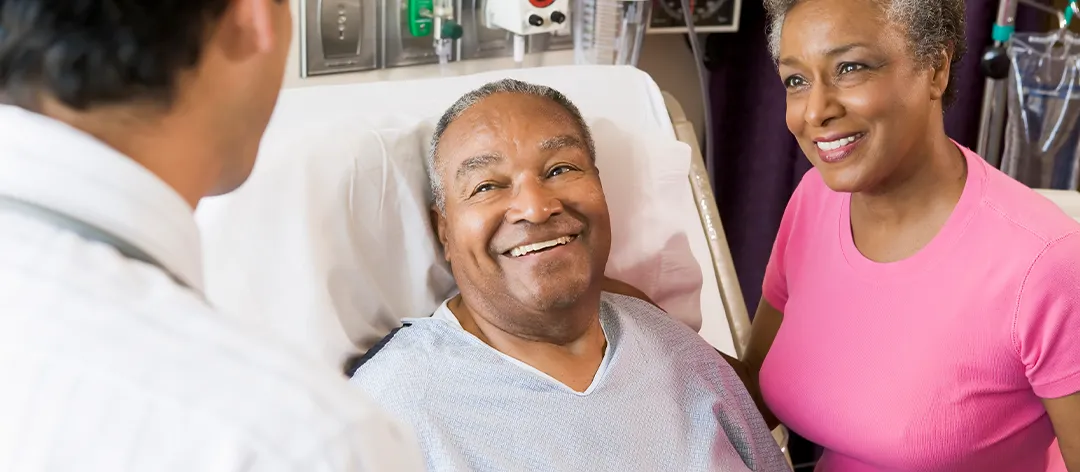
Why International Patients Travel to China for Medical Treatment
China offers 2 things most medical tourism destinations cannot: treatments unavailable elsewhere at scale, and costs 70-80% below what the same protocols cost in the US, UK, or Germany.
1. Inoperable solid tumours.
Fuda Cancer Hospital in Guangzhou performs more cryoablation and NanoKnife procedures than any other hospital in the world.
- Cryoablation freezes and destroys tumour tissue without open surgery
- NanoKnife (IRE) uses electrical pulses to eliminate tumours in locations conventional surgery cannot reach, e.g., near major blood vessels or bile ducts.
For patients with inoperable pancreatic, liver, or lung cancer, this is a clinical option.
2. Blood cancer and bone marrow transplant.
GoBroad's thalassemia survival rate of 97% is the highest published figure globally.
CAR-T cell therapy, a treatment that re-engineers the patient's own immune cells to target cancer, costs USD 60,000 at GoBroad, vs USD 273,000 to USD 475,000 in the United States.
Patients from the Philippines, Belgium, New Zealand, Canada, and the UK have been treated here specifically because this treatment was unaffordable or unavailable at home.
3. Living in China.
United Family Healthcare operates China's only multi-city JCI-accredited private hospital network, with English-speaking teams across Beijing, Shanghai, Guangzhou, and 5 other cities.
For expatriates and international business travellers, it is their local hospital.
5 Best Hospitals in China for International Patients and Expatriates (2026)
China's top international hospitals combine world-class medical expertise, cutting-edge technology, and dedicated multi language VIP services to ensure seamless care for overseas patients.
Jump to your hospital:
- Fuda Cancer Hospital, Guangzhou- Inoperable solid tumours
- GoBroad Healthcare Group, Beijing and Shanghai- Blood cancers, CAR-T, BMT
- United Family Healthcare, Beijing- Expat and multispecialty English language care
- Beijing Jingdu Children's Hospital, Beijing- Advanced paediatric treatments including BMT, heart surgeries, and cancers
- Kunming Tongren Hospital, Kunming- Multispecialty care, spinal cord injury, orthopaedics
1. Fuda Cancer Hospital, Guangzhou- Inoperable Cancer Treatment in China
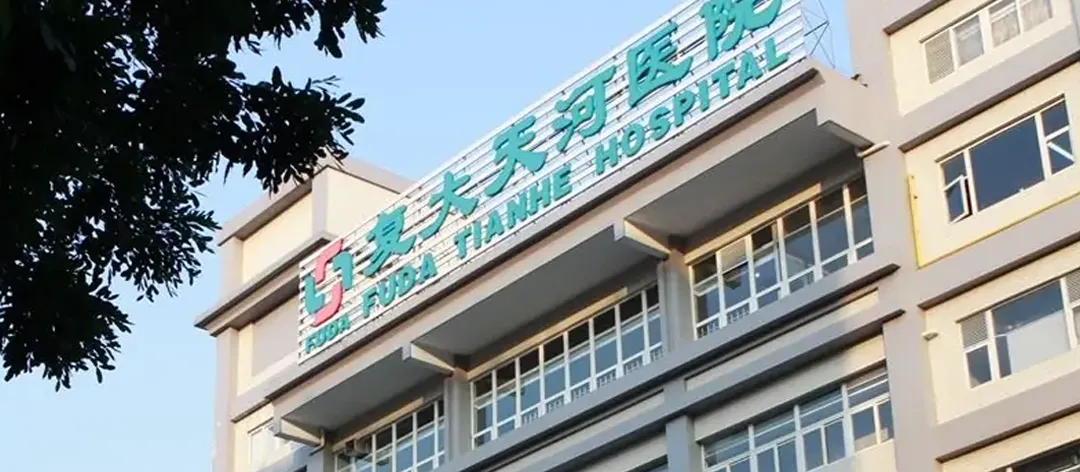
Best suited for: Patients with a solid tumour that cannot be removed surgically, due to location, spread, size, or surgical risk, and those told options are limited after conventional treatment.
Most hospitals that treat cancer can perform surgery. Fuda Cancer Hospital in Guangzhou was built for cases that cannot. It holds the world's No. 1 position by procedure volume for two treatments;
- Cryosurgical ablation
- NanoKnife ablation (destroy tumour tissue without open surgery)
Fuda introduced NanoKnife to mainland China first and remains the highest-volume NanoKnife centre in the world.
Its cryoablation research was cited in the American Association for Thoracic Surgery's 2024 expert consensus on subsolid pulmonary nodules, an independent academic citation.
- 30,000+ international patients from 100+ countries over 20+ years.
- World No. 1 in cryoablation and NanoKnife (IRE) procedure volume.
- Longest documented pancreatic cancer survival on cryosurgery: 15+ years.
Send your reports to Fuda Cancer Hospital and receive a treatment plan and cost estimate.
Treatments available at Fuda Cancer Hospital:
- Cryosurgical ablation (argon-helium): freezes and destroys tumour tissue. No open surgery.
- NanoKnife / IRE: electrical pulses target cancer cells while preserving surrounding blood vessels and bile ducts.
- Vascular intervention: TAI, TAE, and TACE cut off the tumour's blood supply and deliver chemotherapy directly to the site.
- Combined immunotherapy: NK cell therapy, CIK cell therapy, CAR-T.
- Photodynamic Therapy (PDT) and microwave ablation
- Iodine-125 brachytherapy: radioactive seed implantation for localised tumour control.
- Traditional Chinese Medicine (TCM): formally integrated into treatment protocols.
Cancers treated: Pancreatic, liver, lung, breast, kidney, prostate, colorectal, stomach, oesophageal, brain, nasopharyngeal, tongue, laryngeal, skin, lymphoma, uterine and cervical cancers.
International patient services:
- Multilingual support: Russian, Arabic, Indonesian, Vietnamese, English.
- Medical visa invitation letters issued.
- Airport transfers from Guangzhou Baiyun International Airport.
- Insurance: AIA, Prudential, Great Eastern, Allianz.
- Free pre-consultation via the Fuda Kuala Lumpur Service Centre for Southeast Asian patients.
Cost (2026): Minimally invasive procedures from USD 8,000 to USD 35,000. Comparable oncology in the US runs USD 50,000+, UK USD 40,000+, Singapore USD 30,000+.
The hospital holds JCI accreditation, the first private specialty hospital in Guangzhou to pass JCI, and was re-certified in 2017.
2. GoBroad Healthcare Group- CAR-T, Bone Marrow Transplant, Neuroscience China
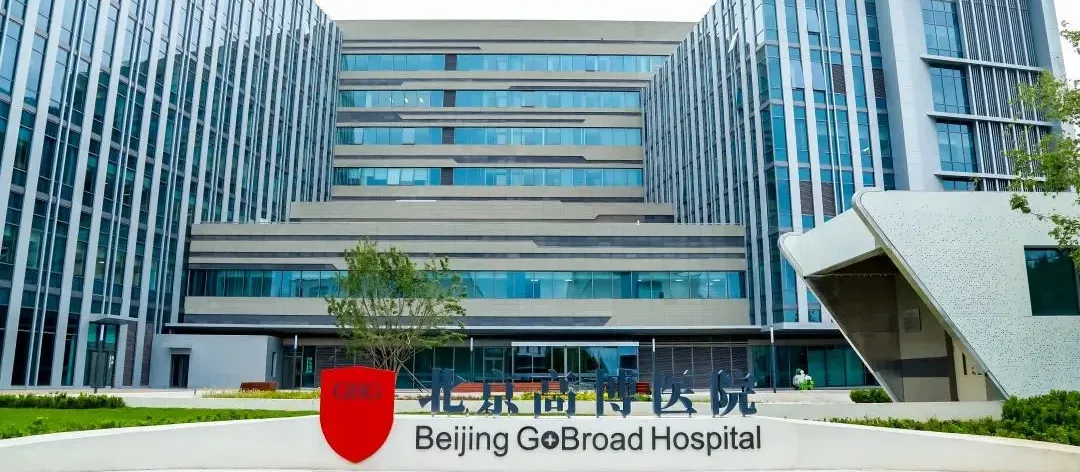
Best suited for:
- Patients with leukaemia, lymphoma, myeloma, thalassemia, aplastic anaemia, Parkinson's disease, spinal muscular atrophy;
- Particularly those treatments told further options are limited at home or whose treatment is unaffordable elsewhere.
GoBroad Healthcare Group was formally admitted to the European Society for Blood and Marrow Transplantation (EBMT) in 2025, the most rigorous international accreditation for transplant programmes.
In 2025 alone, the group had 33 accepted studies at the American Society of Haematology (ASH) annual congress, including 3 oral presentations.
GoBroad operates 8 research hospitals across Beijing, Shanghai, and Guangzhou, with nearly 1,500 beds and 100+ purpose-built clean rooms for haematopoietic stem cell transplantation.
The Guangdong Chunfu Children's Institute operates in strategic cooperation with Mayo Clinic.
- 5,000+ CAR-T treatments completed. Complete remission rate over 90% for relapsed B-cell ALL.
97% thalassemia transplant survival rate, the world's highest published figure.
CAR-T at GoBroad: USD 60,000 vs USD 273,000 to USD 475,000 in the United States.
Talk to our patient support team about treatment at GoBroad Healthcare Group.
Key clinical programmes:
1. CAR-T cell therapy
CD19 CAR-T achieves complete remission in over 90% of relapsed/refractory B-cell ALL cases. Triple target CAR-T for paediatric Burkitt lymphoma achieved 100% overall response, a world first, published in Blood and Nature Medicine.
2. Haploidentical bone marrow transplant
Uses a parent as the donor; a parent is always 50% matched, sufficient under GoBroad's protocols. Transplant-related mortality below 8%. GVHD rates reduced from 40 to 60% down to 15%.
3. Thalassemia
97.1% engraftment rate, 96.5% overall survival. GVHD-free and thalassemia-free survival exceeding 80%, a world first.
4. Solid tumours
Lung, gastric, colorectal, pancreatic, hepatocellular carcinoma with targeted therapy. KRAS G12C lung cancer drugs available within 10 days of NMPA approval.
5. Parkinson's disease and movement disorders
Dr. Ling Zhipei performed China's first brain pacemaker (DBS- deep brain stimulation, a device implanted to regulate abnormal brain signals) in 1998 and remains active on the team.
MRgFUS (magnetic resonance guided focused ultrasound, a non-invasive tremor treatment requiring no incision) is also available.
Dr. Li Jianyu has completed 3,000+ functional neurosurgery procedures, including nearly 1,000 microvascular decompression surgeries for trigeminal neuralgia and hemifacial spasm.
6. SMA (Spinal Muscular Atrophy)
Nusinersen at USD 9,300 per injection vs USD 100,000 in the USA.
Accreditations: ISO 15189 (CNAS), CAP (College of American Pathologists), Phase I Clinical Trial Registration (NMPA), certified BMT centre.
Partners: Mayo Clinic (Guangdong paediatric centre), Peking Union Medical College, Tsinghua University.
International patients from: Kazakhstan, Russia, Philippines, Belgium, New Zealand, UK, Germany, France, Canada, Singapore, Italy, Vietnam, Malaysia, Indonesia, Bangladesh.
3. United Family Healthcare, Beijing- English-speaking hospital for China Expats
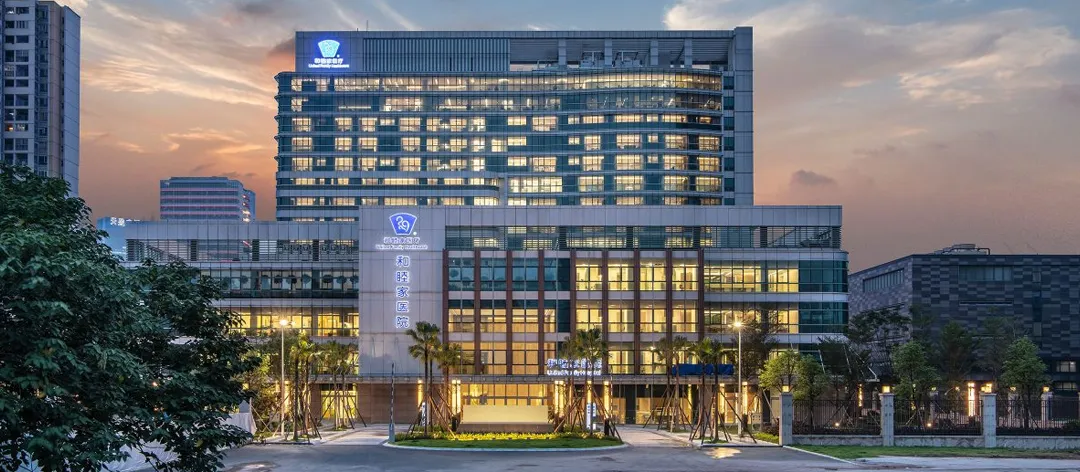
Best suited for: Expatriates, business travellers, and long-stay international patients needing multi-specialty English-language hospital care in China.
United Family Healthcare opened in Beijing in 1997 as China's first foreign-invested international-standard hospital.
- It became the first hospital in China to receive JCI accreditation in 2005 and has been re-accredited 6 times since, making it the only multi-city JCI-accredited private healthcare network in the country.
200,000+ international patients have been treated across its facilities in Beijing, Shanghai, Guangzhou, Tianjin, Qingdao, Shenzhen, and Hong Kong; 29 years of operation built into a network most hospitals in Asia cannot match.
- First hospital in China to receive JCI accreditation (2005). Re-accredited 6 times since.
- 200,000+ international patients treated. Active in 8 cities across China.
- 5 dedicated cancer centres offering CAR-T therapy and FDA-approved drugs via the Hainan Bo'ao regulatory fast track.
Talk to a UFH International Patient Specialist
What makes UFH clinically distinct:
- Hainan Bo'ao fast track: patients can access drugs approved by the US FDA and EMA before Chinese NMPA approval, one of the very few legal pathways for this in China.
- Second opinion network: links to specialists at Cedars-Sinai, Massachusetts General Hospital, Memorial Sloan Kettering, and Dana-Farber Cancer Institute.
- Dual accredited rehabilitation: China's only hospital with both JCI and CARF (Commission on Accreditation of Rehabilitation Facilities) accreditation.
- Cancer centres: 5 dedicated centres across the network, CAR-T therapy, immunotherapy, targeted therapy, chemotherapy.
International patient practicalities: English-speaking doctors and nurses at all locations. Direct billing for international insurance. All medical records in English.
4. Beijing Jingdu Children's Hospital- Paediatric Treatments China
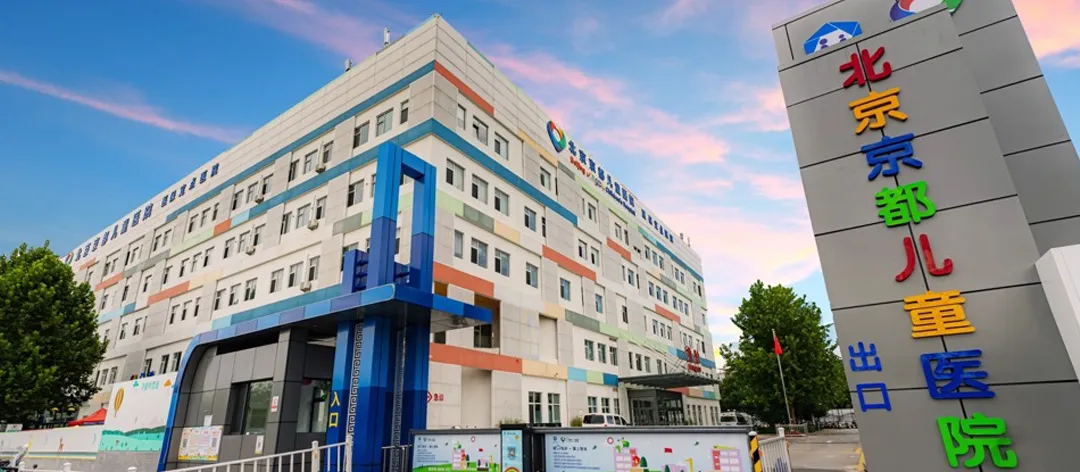
Best suited for: Children with blood disorders, congenital heart disease, cerebral palsy, rare paediatric diseases, solid tumours, particularly where no matched donor exists, or treatment elsewhere has been exhausted.
When a child's leukaemia relapses, when a cardiac defect is beyond the local surgical team's capability, when a rare disease has gone undiagnosed for years, families arrive at Beijing Jingdu Children's Hospital.
Founded in 2015, Beijing Jingdu is Beijing's only private Grade A Tertiary children's hospital and the only dedicated children's hospital in China to hold JCI accreditation (first awarded July 2020). It is not a general hospital with a paediatric ward.
What Beijing Jingdu Treats
- Blood cancers and bone marrow transplant- performs haploidentical BMT, CAR-T cell therapy, NK cell therapy, and autologous stem cell transplant.
- Congenital heart disease- 2,000+ cardiac surgeries annually.
- Rare paediatric diseases- Dedicated Rare Disease MDT Centre collaborates with St. Jude Children's Research Hospital (USA) and Munich University Children's Hospital (Germany) for treatment of HLH, Gaucher disease, Fabry disease, Pompe disease, Wiskott-Aldrich syndrome.
- Cerebral palsy and orthopaedics- 89% independent walking rate following cerebral palsy surgery. 4,000+ orthopaedic procedures including ESIN fracture repair, scoliosis correction, DDH treatment.
- Solid tumour oncology- Hepatoblastoma resection in infants from 3 months. Neuroblastoma, Wilms tumour, and rhabdomyosarcoma treated.
- Neurology and SMA- Nusinersen (Spinraza) for spinal muscular atrophy at USD 7,600 per dose vs USD 125,000 in the USA.
Speak to a specialist about your child's treatment at Beijing Jingdu Children's Hospital.

The Beijing Protocol: What It Means for Families Without a Matched Donor
Finding a fully matched unrelated bone marrow donor takes 12 to 18 months through international registries, often longer for families from the GCC, sub-Saharan Africa, and South Asia, where donor databases are small.
The Beijing Protocol uses a parent as the donor. A parent is always 50% matched, and under this protocol, that is sufficient.
For families who have been told no donor exists, this is the reason to travel.
- 900+ paediatric stem cell transplants annually, among the highest volumes of any children's hospital globally.
- 99.7% operative success rate for congenital heart disease surgery. 85% performed using minimally invasive techniques.
- CAR-T at Beijing Jingdu: USD 140,000 vs USD 400,000 to USD 500,000 in the United States.
International patient services:
- English, Japanese, and Russian (Arabic on request).
- 16 international family wards with private bathrooms and parental accommodation.
- Halal meals on site.
- Airport pickup.
- Green channel admission within 72 hours for critical cases.
- Direct billing with Cigna, Allianz Partners, AIA, MSH International, Generali, MediLink-Global, ERGO, and ICBC-AXA Life Insurance.
For families researching paediatric bone marrow transplant in China, read our full guide: Best Paediatric Bone Marrow Transplant in China at Beijing Jingdu Children's Hospital.
5. Kunming Tongren Hospital- Spinal Cord Injury and Multi-Specialty China
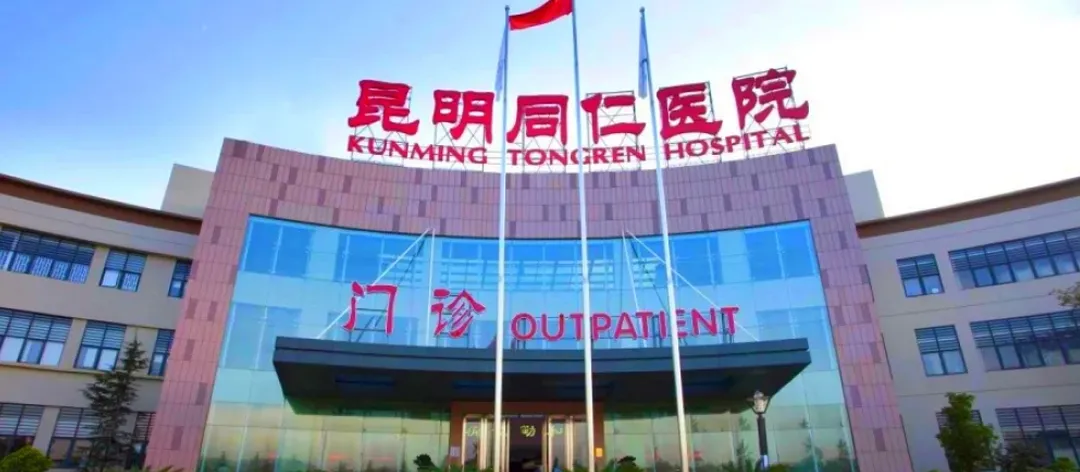
Kunming Tongren Hospital sits in Yunnan Province, southwest China, bordering Myanmar, Laos, and Vietnam.
For patients from Southeast Asia, South Asia, and East Africa, it is the most geographically accessible Grade A Tertiary hospital in China.
Classified Grade III, Class A by the Yunnan Provincial Health Commission in July 2023, China's highest hospital designation, the hospital operates 40 clinical departments, with 100+ senior medical experts.
Key departments:
- International Spinal Cord Injury Centre: acute and chronic spinal cord injury, paralysis, spinal cord tumours, herniated disc
- Orthopaedics: hip and knee replacement, spinal endoscopic surgery, ligament repair, limb replantation
- Cardiology and Cardiothoracic Surgery: coronary artery interventions, congenital heart disease, valvular surgery, atrial fibrillation ablation
- Neurology and Neurosurgery: brain tumours, cerebrovascular disease, trigeminal neuralgia, epilepsy
- Nuclear Medicine (opened May 2026): PET/CT, SPECT/CT, 3D stereoscopic tumour imaging
- TCM Inpatient Ward: acupuncture, herbal medicine, tuina massage integrated with Western treatment
- Hyperbaric Oxygen Therapy: supports neurological recovery and wound healing
Talk to a specialist about treatment at Kunming Tongren Hospital.
International Spinal Cord Injury Centre
The International Spinal Cord Injury Centre has treated 5,000+ patients, both acute (recent injury) and chronic (where recovery has plateaued elsewhere).
Patients have come from the US, France, the UK, Canada, Switzerland, Australia, Sri Lanka, and Saudi Arabia.
Treatment combines surgical decompression (removing pressure on the spinal cord) with intensive rehabilitation.
The team developed the Kunming Locomotor Scale, its own validated tool for measuring post-injury walking recovery, a marker of how seriously this centre takes measuring what it achieves.
- 5,000+ spinal cord injury patients treated at the International Spinal Cord Injury Centre.
- Grade A Tertiary classification (July 2023), China's highest hospital designation.
- ISO 15189 laboratory accreditation (CNAS) passed in May 2026. Nuclear Medicine Department opened in May 2026 with PET/CT and SPECT/CT.
International patient services:
- Telemedicine pre-consultation before travel. Official medical invitation letters for Chinese visa.
- Airport pickup. Professional on-site interpreters. Bilingual international ward with 24-hour nursing.
- Halal-certified meals.
- Currency exchange on site.
- Post-discharge remote follow-up via dedicated patient groups.
Documented international patients: Bangladesh (congenital heart disease, knee replacement, ACL repair), UK, USA, France, Canada, Australia, Sri Lanka, Saudi Arabia, primarily at the spinal cord centre.
Which Hospital in China Is Right for You?
Use the table below to match your situation to the right hospital.
| Your condition or situation | Best-fit hospital and why |
| Inoperable solid tumour: pancreatic, liver, lung, advanced abdominal cancer | Fuda Cancer Hospital, Guangzhou, world No. 1 in cryoablation and NanoKnife volume. From USD 8,000. |
| Blood cancer: leukaemia, lymphoma, myeloma, thalassemia; relapsed or no matched donor | GoBroad Healthcare Group, Beijing/Shanghai: 97% thalassemia survival. CAR-T from USD 60,000. EBMT member. |
| Expatriate or international patient in China needing English-language multi-specialty care | United Family Healthcare, Beijing, China's only multi-city JCI network. FDA-approved drugs via Hainan fast track. 8 cities. |
| Child with blood cancer, heart disease, thalassemia, or rare disease; no matched donor | Beijing Jingdu Children's Hospital, Beijing: 900+ paediatric transplants/year. Beijing Protocol; parent donor available in 14 days. |
| Spinal cord injury (acute or chronic), orthopaedics, or multi-specialty care in southwest China | Kunming Tongren Hospital, Kunming: 5,000+ SCI patients. Grade A Tertiary. Most accessible major Chinese hospital for SE Asia and East Africa. |

How Much Does Treatment Cost in China for International Patients? (2026)
Treatment in China runs 70-80% below comparable procedures in the US, UK, or Germany.
The table below gives 2026 cost ranges across the five hospitals. Actual costs depend on cancer type, stage, treatment duration, and protocol.
| Hospital | Procedures | 2026 Cost (USD) |
| Fuda Cancer Hospital, Guangzhou | Cryoablation, NanoKnife, TACE, immunotherapy, PDT | USD 8,000 to 35,000 |
| GoBroad Healthcare Group, Beijing/Shanghai | CAR-T, BMT (allogeneic/autologous), targeted therapy, DBS surgery | CAR-T from USD 60,000; BMT from USD 25,000 |
| United Family Healthcare, Beijing JCI | Multi-specialty: oncology, surgery, cardiology, rehabilitation, FDA-approved drugs | Varies |
| Beijing Jingdu Children's Hospital | Paediatric BMT, CAR-T, cardiac surgery, cerebral palsy, rare disease | BMT from USD 70,000; CAR-T ~USD 140,000 Cardiac from USD 10,000 |
| Kunming Tongren Hospital, Kunming | Spinal cord injury, orthopaedics, cardiac surgery, general medicine | Contact for individual estimate |
Additional costs to budget for:
- International flights (USD 500- 2,000 return from Southeast Asia or Africa; USD 800- 3,000 from Europe).
- Accommodation (USD 30- 120+ per night).
- Companion travel.
- Pre- travel medical assessment.
- Post- treatment follow-up consultations.
- Foreign exchange variation for extended stays.

How My 1Health Helps You Access Treatment in China- at No Cost
Getting treatment at any of these five hospitals as an international patient follows the same process.
My 1Health coordinates every step- from the first enquiry to the follow-up after you return home- at no cost to you.
We take care of everything, so you can focus on getting better
Trusted by Millions Seeking World-Class Treatment
 Instant visa letter
 Flight bookings
 Airport pickup
 Accommodation
 24/7 support
- Share your medical reports: Send your diagnosis, scan results, and treatment history via WhatsApp. My 1Health forwards these to the hospital specialist team best suited to your condition.
- Hospital specialist review: The hospital's clinical team reviews your reports. They confirm eligibility and outline a proposed treatment protocol. This step takes 24–48 hours.
- Treatment plan and cost estimate: You receive a written treatment plan and cost estimate covering the procedure, hospital stay, and on-arrival diagnostics.
- Visa and documentation: My 1Health coordinates your hospital invitation letter for the Chinese medical visa (M visa) and guides you through the full documentation process.
- Travel and arrival: We arrange airport pickup and accommodation near your hospital- Guangzhou Baiyun, Beijing Capital, Kunming Changshui, or wherever your treatment requires.
- On-the-ground support: Our team is available 24 hours a day throughout your treatment. Language interpretation is available at all five hospitals.
- Post-treatment follow-up: After you return home, My 1Health coordinates post-discharge follow-up with your home doctor, including forwarding medical records and supporting remote consultations.