


Traveling overseas for spine surgery is a major step toward improving your health and quality of life. It’s natural to feel both hopeful and anxious as you plan.
Beyond flights and hospital bookings, the most important preparation starts with you. By getting ready physically, emotionally, and logistically, you make your surgery smoother and your recovery stronger.
This guide shares practical tips on how to prepare for spine surgery overseas from strengthening your body and managing stress to organising documents, travel, and accommodation.
Why Preparation Matters
Having surgery abroad means facing two challenges: the procedure itself and the travel around it.
Long flights, new environments, and being away from home can add extra strain. Thorough preparation reduces this stress and strengthens your ability to cope.
When you arrive for your spine surgery abroad preparation in good condition:
- Healing is faster: a nourished, stronger body recovers more efficiently.
- Travel is easier: flexibility and stamina make long flights more comfortable.
- Risks are lower: managing health conditions and fitness reduces complications like clots or infections.
- Energy is steadier: good self-care gives you reserves to manage surgery and recovery.
By planning ahead for both medical and travel needs, you set yourself up for a safer, smoother surgical journey.
Staying Active, Eating Well, and Resting
You don’t need an intense workout routine just gentle, consistent movement. Short daily walks, light stretches, or simple core exercises can keep your body flexible and help with circulation.

These small steps make travel more comfortable and recovery easier. If you’re unsure, ask your doctor or physiotherapist for safe activities that fit your condition.
Fuel your body with a balanced diet. Prioritise protein-rich foods for tissue repair, plus fruits, vegetables, and whole grains for vitamins and steady energy. Stay hydrated, and limit alcohol, processed foods, and sugary snacks.
Aim for 7 – 8 hours each night, with a calming bedtime routine and less screen time. If you’ll cross time zones, adjust your schedule a few days before departure. Arriving early at your destination also gives your body time to rest before surgery.
Practising Safe Movements Beforehand
After surgery, you’ll need to move carefully to protect your back. Practising these movements in advance makes them second nature.
Focus on daily tasks such as getting out of bed, sitting and standing, or dressing. If you’ll need a brace or walking aid, try using it before your trip so it feels familiar.
These preparations ease anxiety, reduce strain, and give you confidence in handling recovery. Always consult your doctor or physiotherapist for techniques that are safe for your condition.
Supporting Lungs and Circulation
Both surgery and long flights can affect breathing and circulation. Simple steps help:
- Practice deep breathing daily to strengthen your lungs and reduce the risk of post-surgery complications.
- Use leg and foot movements during your flight to keep blood flowing.
- Ask your doctor if compression socks are right for you they can reduce swelling and prevent clots on longer journeys.
Managing Health Conditions and Paperwork
If you have chronic conditions like diabetes, hypertension, or heart issues, get them under control before travel.
Work with your local doctor to adjust medications, monitor your health, and gather required medical reports.
Hospitals abroad often request:
- Recent test results and imaging scans.
- Clearance letters from your specialists.
- A full list of medications and dosages.
Organise these documents early and carry copies (printed and digital). It will save time at your destination and reassure your medical team that you’re ready for surgery.
Preparing Your Mind and Emotions
It’s normal to feel nervous about surgery, especially in another country. These strategies can help:
- Educate yourself: Ask your surgeon about the procedure, recovery time, and what to expect.
- Relaxation techniques: Breathing, meditation, prayer, or listening to music can reduce anxiety.
- Positive thinking: Visualise yourself healing and regaining strength.
- Stay connected: Arrange regular calls with family or friends if travelling alone.
- Professional help: If anxiety feels overwhelming, speak with a counsellor before your trip.
Even small comforts, like bringing a favourite book, playlist, or pillow, can make a hospital stay less daunting.
Travel Logistics and Planning Ahead
This is where careful preparation makes the biggest impact. Spine surgery travel recovery starts with strong organisation before you leave.
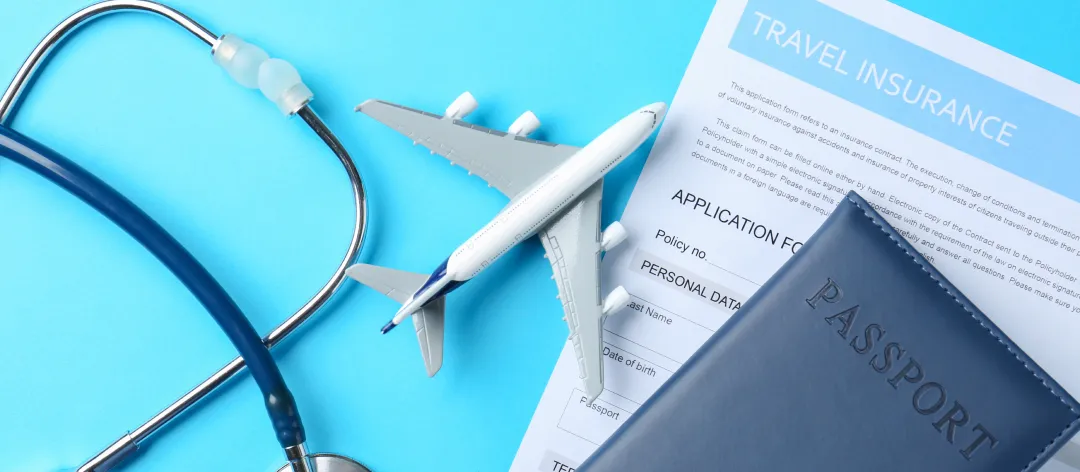
1. Documents Needed to Travel for Spine Surgery Abroad
- Passport (valid 6+ months beyond your stay).
- Visa or medical entry permit (if required).
- Surgery appointment confirmation.
- Medical records and prescriptions.
- Insurance and emergency contacts.
Keep copies in both print and digital form and store them in your carry-on.
2. Flights and Airport Support
- Choose direct flights when possible. If connections are needed, allow extra time.
- Request wheelchair assistance in advance to avoid long walks and queues.
- Let the airline know you’re travelling for surgery they may allow priority boarding or extra support.
- During the flight: wear loose clothing, stay hydrated, and move or stretch regularly.
3. Accommodation
Stay close to your hospital to minimise travel after discharge. Look for accessible features such as lifts, quiet surroundings, and recovery-friendly facilities. Some hospitals partner with nearby hotels or patient lodges ask about these options.
4. Insurance and Finances
Review your coverage carefully. Standard health insurance often doesn’t cover elective surgery abroad, so confirm what’s included.
Arrange funds for your procedure and related expenses, and consider travel insurance for emergencies, cancellations, or lost baggage.
5. Communication and Language
Ask if your hospital offers translators or international patient coordinators. Still, downloading a translation app and learning a few simple medical terms (“pain,” “doctor,” “help”) can ease communication.
6. Timing Your Trip
Arrive a few days early to attend pre-surgery appointments and rest from travel. After surgery, stay until your surgeon confirms it’s safe to fly. Build in a buffer for recovery rushing home too soon can be risky.
Preparing Your Family or Caregiver
Preparing your caregiver or companion is just as important as preparing yourself, since they play a central role in your spine surgery abroad preparation.
Here are some points to consider if a loved one is traveling with you for your spine surgery abroad:
1. Travel Prep for Your Companion
Your companion should ensure their own documents are valid (passport, visa if required) and pack for comfort; loose clothing, supportive shoes, personal medications, and items for downtime such as books or a laptop. Having their essentials frees them to focus on supporting you.
2. Learn About the Surgery Together
Invite your family member or friend to attend pre-surgery appointments or review your hospital’s information materials.
Knowing the basics of your procedure and recovery mobility limits, activity restrictions, and warning signs helps them ask the right questions and provide safer, more effective assistance.

3. Plan Their Role:
Before traveling, agree on how they will support you. This may include helping you in and out of bed, assisting with mobility, or keeping track of medication times. If wound care is required, hospital staff can train both of you, ensuring your caregiver feels confident in assisting after discharge.
4. Support vs. Self-Care:
Remind your companion that their well-being matters too. Adequate sleep, regular meals, and short breaks prevent burnout. A rested caregiver is more attentive and compassionate, which benefits both of you.
5. Emotional Support:
Simply having someone you trust nearby during surgery can ease anxiety and lift your morale. Open communication is important share concerns and reassure each other. Hospitals that serve international patients often allow companions to stay close, which adds comfort and security.
6. Logistics for the Caregiver:
Discuss where your companion will stay during your hospital stay, how they’ll manage transport, and who will cover responsibilities back home. Planning ahead minimises stress and helps them focus on you.
By preparing together, you and your caregiver create a strong team. And if you are traveling alone, lean on hospital staff, coordinators, or regular calls with loved ones to build a support network during your spine surgery travel recovery.
Planning Your Return Home
Once your surgery is complete, the next step is getting home safely. Flying after spine surgery is generally safe once your doctor clears you, but making the right arrangements will make your trip more comfortable and low risk.
Here’s what to plan for:
1. Follow Your Doctor’s Timeline
Your surgeon will tell you when it’s safe to fly. For some patients, this may be 1 – 2 weeks after surgery, while more complex procedures (like spinal fusion) may require 3 – 4 weeks or longer.
Always get written clearance before booking your return ticket. Your doctor will consider how well your incision is healing, your mobility, and whether you need extra care during travel.
2. Choosing Flights
Whenever possible, book a direct flight home to avoid long layovers and rushing through airports. If a connection is unavoidable, allow plenty of time between flights.
Request wheelchair assistance or an electric cart when booking so you don’t need to walk long distances or stand in long queues. Airlines are usually very supportive when they know you are recovering from surgery, and you may even be allowed to board early.

3. Comfort and Safety During the Flight
Plan ahead to reduce discomfort and protect your health in the air:
- Clothing: Wear loose, soft clothing and slip-on shoes.
- Support: Use your prescribed back brace or a small cushion for lumbar support.
- Movement: Get up and walk gently every 1 – 2 hours. If you cannot, do ankle pumps, foot circles, and shoulder rolls in your seat.
- Circulation: Wear compression socks to lower the risk of swelling or blood clots.
- Hydration: Drink water regularly and avoid excess caffeine or alcohol.
4. Managing Health Needs
Keep all medications in your carry-on bag, including pain medicine, muscle relaxants, or nausea tablets if prescribed. Ask your doctor about timing doses for long flights or time zone changes.
Take a dose of pain relief before departure if recommended so you travel more comfortably. Your incision should be covered with a clean dressing before you fly.
Carry a few spare bandages or wipes in case you need a quick change, though most patients don’t need to adjust dressings mid-flight. Choose clothing that makes it easy to check your wound if necessary.
5. Getting Help When You Land
Arrange for someone to meet you at the airport. After a long flight, lifting luggage or driving yourself is not advisable.
If traveling with a companion, let them handle these tasks. If you’re traveling alone, book porter service or a car pickup in advance so you have help the moment you arrive.
6. Follow-Up Care
Before leaving your hospital abroad, ask for:
- A copy of your surgical report and discharge summary.
- Instructions for wound care, medications, and physiotherapy.
- Contact details for your surgeon in case you have questions later.
Schedule a follow-up with your local doctor as soon as you’re home. They can check your wound, remove stitches if needed, and guide your next stage of rehabilitation.
7. Recovery at Home
Take your first week or two at home slowly. Avoid heavy lifting or strenuous activity until your doctor approves.
Set up a comfortable recovery area before you leave clean bedding, medication within reach, and a phone charger by your bed make it easier to rest. Remember, travel itself can be tiring even without surgery, so allow yourself extra time to recover.
8. Acknowledge Your Progress
You managed the preparation, surgery, and international travel something many people would find overwhelming.
Take time to acknowledge how far you’ve come. That sense of accomplishment can give you strength and motivation during the final stretch of your spine surgery travel recovery.
By planning your return home carefully from doctor clearance and flight comfort to support on arrival you make the transition smoother and safer. With the right steps in place, you can focus on healing, not on the stress of travel.
Quick Prep Checklist for Spine Surgery Abroad
| Step | What to Do |
| Physical Readiness | Start gentle walks/stretching 4 – 6 weeks before surgery; practice safe movements. |
| Nutrition | Eat protein-rich meals, fruits/veg, whole grains, and stay hydrated. |
| Sleep | Aim for 7 – 8 hours nightly; adjust routine to manage jet lag. |
| Emotional Prep | Use relaxation techniques, talk with loved ones, and bring comforts from home. |
| Travel Logistics | Check passport/visa, book hospital-near accommodation, request airport wheelchair aid. |
| Packing | Carry medical records, medication, slip-on clothes/shoes, compression socks, and comfort items. |
| Family Support | Companion prepares documents, learns your recovery plan, and sets caregiving roles. |
| Return Home | Get surgeon’s clearance, wear brace/compression socks on flight, move/stretch often. |