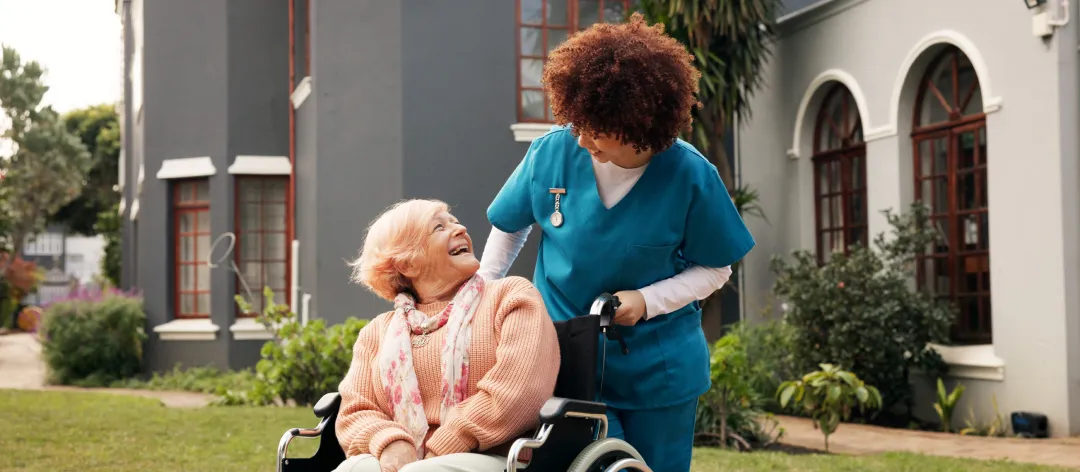



Traveling overseas for a liver transplant is one of the most significant steps you can take toward renewed health and a better quality of life.
Beyond hospital arrangements and flights, the most important preparation starts with you. By getting ready physically, emotionally, and logistically, you set yourself up for smoother surgery and a stronger recovery.
This guide walks you through everything you need to prepare for a liver transplant abroad from health and emotional readiness to documents, travel, accommodation, and support for both patients and donors.

Why Preparation Matters
A liver transplant abroad presents two challenges: the surgery itself and the international travel that surrounds it. Long flights, adapting to a new environment, and being away from familiar support systems can all add strain.
Thorough preparation eases this stress and improves your ability to cope. When you arrive for your liver transplant abroad in good condition:
- Recovery is safer and faster: A nourished, prepared body heals more efficiently.
- Travel is easier: Stamina and planning reduce discomfort during long flights.
- Risks are lower: Managing health conditions before surgery lowers complications.
- Peace of mind is higher: When logistics and documents are handled, you can focus on healing.
Staying Healthy Before Surgery
Activity and Movement
You don’t need intense exercise gentle, consistent activity is enough. Short walks, breathing exercises, or light stretching keep your circulation strong and help prepare your body for travel and recovery. Always consult your doctor before starting or adjusting activity.
Nutrition and Hydration
Fuel your body with a balanced, nutrient-rich diet:
- Protein for healing (fish, eggs, beans, lean meats).
- Fruits and vegetables for vitamins and immune support.
- Whole grains for steady energy.
- Healthy fats (olive oil, nuts, avocado) to reduce inflammation.
Stay hydrated, and reduce alcohol, processed foods, and excess sugar.
Rest and Sleep
Aim for 7 – 8 hours of sleep each night. If you’ll cross time zones, gradually adjust your sleep schedule a few days before travel. Arriving early at your destination allows time to rest before your transplant.
Managing Health Conditions and Paperwork
For a safe transplant journey, stabilise any chronic conditions like diabetes or hypertension before travel. Work with your local doctor to adjust medications, monitor health, and prepare the required paperwork.

Essential documents include:
- Passport (valid 6+ months).
- Medical visa (if required).
- Hospital confirmation or acceptance letter.
- Full medical records (recent tests, scans, referral letters).
- List of medications and dosages.
- Travel/health insurance policy with coverage for transplants.
- Emergency contact numbers (hospital, doctors, family).
Keep both printed and digital copies in your carry-on.
Preparing Your Mind and Emotions
It’s normal to feel anxious before such a major surgery, especially abroad. Strategies that help include:
- Educating yourself: Ask your transplant team about the procedure, risks, and recovery timeline.
- Relaxation techniques: Try breathing exercises, meditation, or prayer.
- Positive focus: Visualise life after the transplant.
- Support network: Schedule regular calls with loved ones if travelling alone.
- Professional help: Consider a counsellor if anxiety feels overwhelming.
Bring small comforts like a pillow, book, or playlist to make your hospital stay easier.
Travel Logistics and Planning Ahead
Strong organisation before leaving home makes your transplant journey smoother.
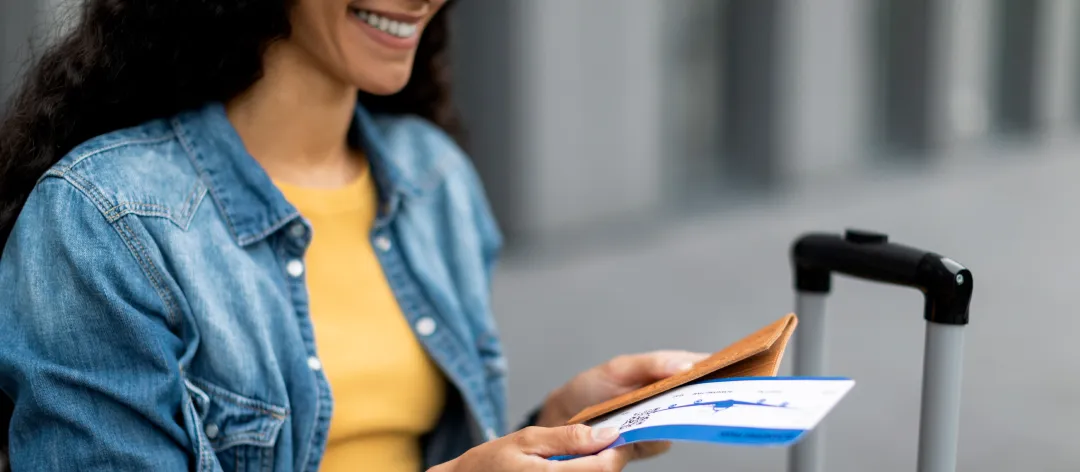
Flights and Airport Support
- Choose direct flights if possible; if not, allow generous layover time.
- Request wheelchair assistance and priority boarding.
- Stay hydrated, move gently during the flight, and wear loose clothes.
Accommodation
Book accommodation close to your transplant centre. Choose patient-friendly options with quiet surroundings, accessibility features, and recovery-friendly amenities.
Insurance and Finances
Confirm coverage carefully—many policies exclude elective or overseas procedures. Arrange funds for surgery, related expenses, and emergency coverage.
Communication and Language
Ask if the hospital offers interpreters or patient coordinators. Download a translation app and learn basic medical words (“pain,” “doctor,” “help”) in the local language.
Timing Your Trip
Arrive a few days early for pre-surgery appointments and rest. Stay after surgery until your surgeon clears you for safe travel.
Preparing Your Donor or Caregiver
If you are travelling with a living donor or a caregiver, preparation is essential for both.
For Living Donors
- Complete all medical evaluations and clearances.
- Carry your documents (passport, visa, medical tests).
- Pack comfortable clothes, medications, and essentials.
- Plan recovery time—donors need weeks of rest post-surgery.
For Caregivers
- Ensure travel documents, insurance, and essentials are ready.
- Learn about the surgery and recovery process to provide safe support.
- Agree on caregiving roles (mobility help, medication tracking).
- Maintain their own well-being—rested caregivers provide better care.
Returning Home After Transplant
Your trip home marks the start of your recovery journey. Plan carefully for safety and comfort.

- Doctor’s Clearance
Never fly without written approval. Healing progress, mobility, and medical needs will determine timing. - Flight Arrangements
- Book direct flights where possible.
- Use wheelchair assistance and avoid lifting luggage.
- Wear compression socks, move or stretch often, and stay hydrated.
- Managing Health Needs
Keep all medications and discharge papers in your carry-on. Follow your doctor’s advice on timing doses during travel. - On Arrival
Arrange for pickup don’t drive or carry heavy bags yourself. Have someone meet you at the airport if possible. - Follow-Up Care
Before leaving the hospital, collect:
- Surgical and discharge reports.
- Instructions for wound care, medications, and physiotherapy.
- Contact details for your surgeon.
Book a follow-up with your local doctor soon after returning.
Quick Prep Checklist for Liver Transplant Abroad
| Step | What to Do |
| Physical Prep | Gentle walks, breathing exercises, balanced nutrition, good sleep. |
| Documents | Passport, medical visa, hospital letter, records, insurance, contacts. |
| Packing | Medications, loose clothes, toiletries, comfort items, hygiene supplies. |
| Emotional Prep | Relaxation techniques, support calls, small comforts from home. |
| Flights & Stay | Direct flights, nearby accommodation, wheelchair request, hydration. |
| Donor/Caregiver | Documents ready, recovery plan, caregiving roles, self-care. |
| Return Home | Surgeon’s clearance, compression socks, medications in carry-on. |