

When a child is diagnosed with cancer, the immediate focus is clear: effective treatment. But in paediatric care, success is not measured only by remission.
It is also measured by what remains intact afterward, that is; learning ability, growth, hormone balance, organ function, energy, and long term strength.
Childhood cancer survival has improved significantly over the 20 years of medicine. Many children go on to live long, full lives after treatment.
Because of this progress, treatment planning today goes beyond immediate tumour control. It considers how to deliver therapy in a way that supports long term wellbeing.
In cases where radiation is required, the method of delivery becomes an important decision. Thus, this advanced cancer care treatment option for children, proton therapy.
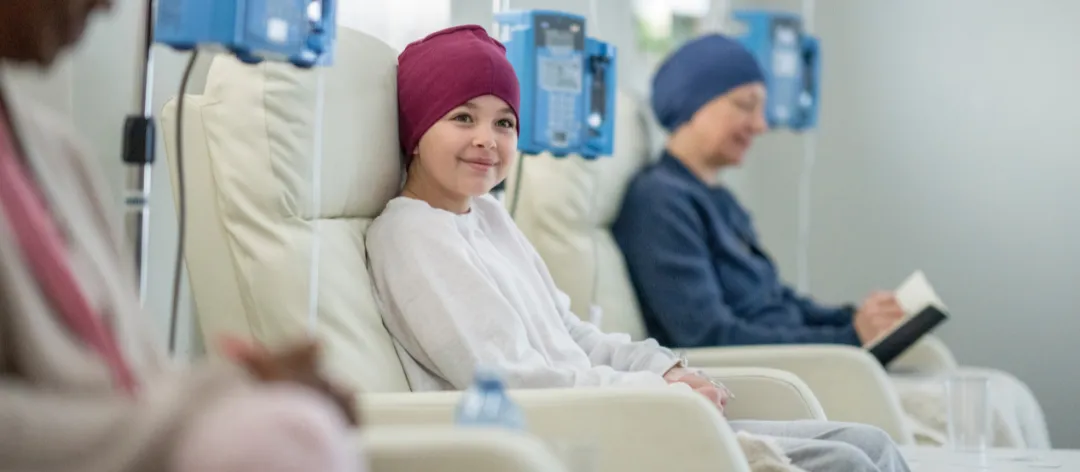
What Makes Proton Therapy Different in Paediatric Care
Radiation therapy works by destroying cancer cells. Traditional radiation passes through the body, delivering energy to the tumour but also exposing some healthy tissue along its path.
Proton therapy is designed to deliver radiation with greater precision. The beam can be controlled so that most of its energy is released directly at the tumour site, with reduced exposure beyond it.
For tumours located near sensitive structures such as the brain, spinal cord, heart, lungs, eyes, or hormone regulating areas this precision can be especially valuable.
In paediatric cases, where organs are still developing, reducing unnecessary radiation exposure may help preserve long term function.
Proton therapy is not a separate cure. It is a different way of delivering radiation one that prioritises accuracy while maintaining the therapeutic goal.

A Structured Treatment Pathway for Cancer Treatment in Children
High-quality paediatric cancer care follows a coordinated pathway. Clarity in this process helps families make informed decisions with confidence.
1. Diagnosis and Staging
Imaging, pathology, and clinical evaluation confirm the cancer type and its extent.
2. Multidisciplinary Treatment Planning
Specialists in oncology, surgery, radiation, and supportive care work together to design the most appropriate plan. Radiation may or may not be part of that plan.
3. Radiation Modality Decision
If radiation is recommended, the team evaluates whether proton therapy offers meaningful benefit based on tumour location, age, surrounding structures, and long term considerations.
4. Precision Planning
Before treatment begins, detailed imaging maps the tumour. A personalised radiation plan is created to maximise tumour targeting and minimise exposure to surrounding tissues.
5. Treatment Sessions
Radiation is typically delivered on weekdays over several weeks, depending on the diagnosis. Each session is brief, though careful positioning and safety checks are performed daily.
6. Recovery and Follow Up
Clear discharge documentation, monitoring schedules, and coordination with home country physicians ensure continuity of care.
The purpose of this structure is reassurance. Every stage is deliberate.

Childhood Cancers Where Proton Therapy May Be Considered
Radiation is commonly used in certain childhood cancers, particularly when tumours are located near critical organs. Proton therapy may be recommended when treatment precision supports long term protection.
Brain Tumours
Brain tumours are among the most frequent indications for proton therapy in children. The developing brain contains areas responsible for memory, learning, vision, and hormone regulation.
Diagnoses where proton therapy may be considered include:
- Medulloblastoma
- Ependymoma
- Low grade glioma
- Craniopharyngioma
In these cases, treatment planning often focuses on reducing radiation exposure to healthy brain structures while effectively treating the tumour.
Spinal Tumours
Tumours involving the spine or spinal cord require precise targeting. Protecting surrounding nerves and structural integrity supports mobility and long term neurological function.
Neuroblastoma
Neuroblastoma commonly affects younger children and may occur in the abdomen. When radiation is necessary, careful planning helps reduce exposure to nearby organs such as kidneys, liver, and spinal structures.
Rhabdomyosarcoma
This soft tissue cancer can appear in areas such as the head and neck, pelvis, or limbs. Radiation planning may prioritise preservation of speech, swallowing, bladder function, and normal growth patterns.
Ewing’s Sarcoma
Ewing’s sarcoma affects bone and sometimes surrounding soft tissue. Tumours located near the pelvis, chest wall, or spine may benefit from highly targeted radiation delivery.
Wilms Tumour
Wilms tumour, a kidney cancer in children, often has strong outcomes with modern treatment. When radiation is included, minimising exposure to remaining kidney tissue supports long term health.
Hodgkin Lymphoma
Paediatric Hodgkin lymphoma frequently carries favourable outcomes. When radiation is recommended, planning often emphasises protecting the heart and lungs, particularly in chest involvement.

Survival Outlook in Modern Paediatric Cancer Care
Survival rates in many childhood cancers have improved substantially. Outcomes vary depending on cancer type, stage, biological characteristics, and response to therapy.
Several paediatric cancers, including Hodgkin lymphoma and Wilms tumour, often demonstrate high long term survival rates with appropriate treatment.
Others, such as neuroblastoma and certain sarcomas, vary by risk group, with outcomes influenced by tumour behaviour and treatment response.
Proton therapy does not replace the broader treatment strategy. Instead, when radiation is part of care, it may contribute to preserving quality of life alongside tumour control.
The focus in modern paediatric oncology is dual:
- Achieve durable remission.
- Protect long term health wherever possible.
Get clarity on proton therapy suitability and treatment options for your child’s specific diagnosis
Apollo Proton Cancer Centre, Chennai, India
India offers proton therapy at select advanced centres. Apollo Proton Cancer Centre in Chennai is among the most established providers of proton therapy in the region.
What distinguishes a centre in paediatric care is not only equipment, but coordination:
- Integrated surgical, medical, and radiation oncology
- Multidisciplinary tumour boards
- Structured paediatric support services
- Advanced planning technology
- International patient pathways
The goal is to deliver comprehensive cancer care within a single coordinated system, minimising fragmentation.
For international families, streamlined communication, treatment scheduling, and discharge planning contribute to a smoother experience.
Cost of Proton Therapy in India
Proton therapy in India is typically quoted within a range of approximately ₹25,00,000 to ₹50,00,000, depending on:
- Diagnosis and tumour complexity
- Number of treatment sessions
- Imaging and planning requirements
- Supportive medications
- Sedation or anaesthesia (if required)
- Additional therapies included in the overall plan
Clear written estimates are important. These should outline what is included and identify potential additional costs.
Compared to many Western healthcare systems, India offers advanced proton therapy at comparatively lower cost, which is one reason international families consider treatment in Chennai.
Request a detailed treatment cost estimate for paediatric proton therapy in Chennai

Planning Travel for Paediatric Cancer Treatment in India
A well-structured travel plan reduces uncertainty.
Pre Travel Review
Remote medical review allows the treating team to assess:
- Diagnosis confirmation
- Suitability for proton therapy
- Estimated duration of stay
- Required additional investigations
Arriving prepared reduces delays.
Medical Records Preparation
Digital copies of imaging (MRI, CT, PET), pathology reports, previous treatment summaries, and medication lists support efficient evaluation.
Sedation and Daily Routine Planning
In younger children, remaining still during radiation sessions may require sedation. Understanding the daily schedule fasting requirements, recovery time, and discharge routines helps families plan energy, nutrition, and rest.
When structured properly, treatment days become predictable.
Accommodation and Comfort
Choosing accommodation near the treatment centre supports daily consistency. Short travel times, quiet environments, and stable routines help maintain comfort throughout the treatment period.
Aftercare and Continuity
Before returning home, families should receive:
- Detailed treatment summary
- Radiation documentation
- Follow up schedule
- Medication guidance
- Clear instructions for ongoing monitoring
Coordination with physicians in the home country ensures continuity of care.
The transition home is part of the treatment journey, not an afterthought.

How My 1Health Helps Paediatric Patients Access Treatment in India
Accessing advanced paediatric cancer treatment abroad involves more than medical decisions. It requires coordination, clarity, and structured execution.
My 1Health supports families by:
- Organising medical records for review
- Coordinating consultations and treatment planning
- Supporting communication with Apollo Proton Cancer Centre
- Assisting with travel preparation and scheduling
- Ensuring discharge documentation and follow up pathways are clearly defined
The objective is straightforward: transform a complex medical journey into a stable, well managed process.