


Being told that pancreatic cancer surgery is not possible is one of the hardest things a patient or family can hear. It does not mean treatment has run out of options.
Around 80% of pancreatic cancer patients are told surgery is not feasible at the point of diagnosis, most often because the tumour sits too close to major blood vessels to be removed safely.
China is home to one of the world's most experienced hospitals for this exact situation, and options do exist.
Fuda Cancer Hospital in Guangzhou has performed 1,007+ NanoKnife ablation procedures for cancer patients who could not have surgery, China's highest volume for this technique.
My 1Health is a global medical tourism company partnered with Fuda Cancer Hospital, Guangzhou to connect international patients with specialist pancreatic cancer treatment in China at no additional cost.
The team coordinates your medical record review, specialist case matching, treatment planning, visa support, and travel logistics from the first enquiry.
Patients at leading Chinese treatment centres have achieved 5 year survival rates of 23.3%, more than double the global average.
Pancreatic cancer treatment in Guangzhou costs 40 to 60% less than equivalent care in the UK or UAE, with no reduction in clinical experience or technology.
Speak to a Fuda international patient support specialist about your options today.
Pancreatic Cancer Treatment Options in Guangzhou When Surgery Is Off the Table
Pancreatic cancer treatment in China at Fuda Cancer Hospital includes 6 evidence based approaches for patients who cannot have surgery.
Each targets the tumour through a different mechanism. Many patients receive more than one in combination.
The 6 pancreatic cancer treatment options available at Fuda in Guangzhou:
Destroys tumour cells using electrical pulses without cutting. Specifically designed for tumours near blood vessels and bile ducts.
2. Cryoablation
Freezes and destroys tumour tissue through precisely placed probes. No open surgery required.
3. Hepatic Arterial Infusion Chemotherapy (HAIC)
Delivers chemotherapy directly into the tumour's blood supply at concentrations up to 10 times higher than standard IV infusion.
Drugs matched to your tumour's specific genetic mutations, KRAS, VEGFR, EGFR, to block cancer cell growth.
PD 1 inhibitors that restore your immune system's ability to recognise and attack pancreatic cancer cells.
6. Traditional Chinese Medicine (TCM)
Used alongside Western oncology to manage pain, reduce treatment side effects, and maintain quality of life.
Treatment plans at Fuda are built by a multidisciplinary team (MDT) reviewing your specific diagnosis, imaging, pathology, and prior treatment history.
No two plans are the same, and eligibility for each approach is assessed individually.
1. NanoKnife Ablation for Pancreatic Cancer: What It Does and Who It Helps
NanoKnife ablation, also called irreversible electroporation (IRE), is a non thermal technique that destroys pancreatic tumour cells using short, high voltage electrical pulses offered at Fuda Cancer Hospital.
Because it uses electricity rather than heat or cold, it does not damage surrounding blood vessels, bile ducts, or nerves, which is exactly why it is used for tumours that surgery and other ablation methods cannot safely reach.
Fuda Cancer Hospital NanoKnife milestones, China and globally:
- 1,007+ procedures completed, mainland China's highest NanoKnife case volume
- 1st NanoKnife surgery in mainland China, performed on a pancreatic cancer patient
- 1st Chinese monograph on NanoKnife ablation published
- Oldest NanoKnife patient globally treated. An 89-year-old Filipino with pancreatic cancer
- Contributing institution in the Chinese expert consensus on image-guided IRE for pancreatic cancer (PubMed ID 34269289)
- Only Chinese hospital with an oral scientific presentation at the SIO annual congress, Savannah, USA
- NanoKnife clinical data presented at the AngioDynamics International Life Symposium in Europe
- 50+ NanoKnife research papers published, including 20+ in international SCI-listed journals
In the UK, NanoKnife for pancreatic cancer is restricted to research settings under NICE guidance (HTG437).
In China, it is approved for clinical use and has been applied in 1,007+ procedures at Fuda alone.
Ask Fuda Cancer Specialist about your pancreatic cancer case
Why NanoKnife is specifically used for pancreatic cancer:
- Treats tumours touching or wrapped around the portal vein, superior mesenteric artery, or bile duct
- No heat, no risk of thermal injury to surrounding structures
- Ablation zone is clearly defined: 1 to 2 cell units of margin between treated and untreated tissue
- Stimulates an immune response against remaining cancer cells
- Can be combined with chemotherapy (gemcitabine) in simultaneous protocols, as studied in Fuda's published clinical trials
- Most patients are mobile within 24 hours of the procedure
Am I a Candidate for NanoKnife? How Fuda Assesses Eligibility
Patients most likely to be eligible:
- Stage III locally advanced pancreatic cancer (LAPC) with tumour involvement of major vessels
- Tumour size generally up to 5cm in the treated area, though larger tumours may be treated in staged sessions
- Patients who have already received FOLFIRINOX or gemcitabine based chemotherapy and need additional local control
- Tumours in the pancreatic head, body, or tail, near the hepatic hilum or bile duct
- Patients not fit for open surgery due to age, comorbidities, or prior surgical history
A free 48 hour case review is available before any commitment to travel.
2. Cryoablation for Pancreatic Cancer Treatment in China at Fuda Cancer Hospital
Cryoablation freezes tumour tissue to temperatures as low as minus 160°C using argon gas probes, destroying cancer cells through repeated freeze thaw cycles.
Fuda has performed 15,000+ cryoablation procedures since 2002, making it the highest volume centre globally for this technique across all cancer types.
For pancreatic cancer specifically, Fuda's team published a long term clinical review of cryosurgery on locally advanced cases, with one documented survival case exceeding 15 years post treatment.
The technique is particularly suited to tumours in the pancreatic body or tail that are accessible for percutaneous probe placement.
Cryoablation also induces an immune response, known as the abscopal effect, which can suppress tumour activity beyond the treated area.
It is used at Fuda in combination with immunotherapy (PD 1 inhibitors) for enhanced systemic effect.
3. HAIC for Pancreatic Cancer Treatment in China at Fuda Cancer Hospital
Hepatic Arterial Infusion Chemotherapy at Fuda Cancer Hospital delivers chemotherapy directly into the arteries supplying the tumour.
It bypasses the general circulation and achieves local drug concentrations up to 10 times higher than standard intravenous infusion. This increases the impact on the tumour while reducing systemic side effects.
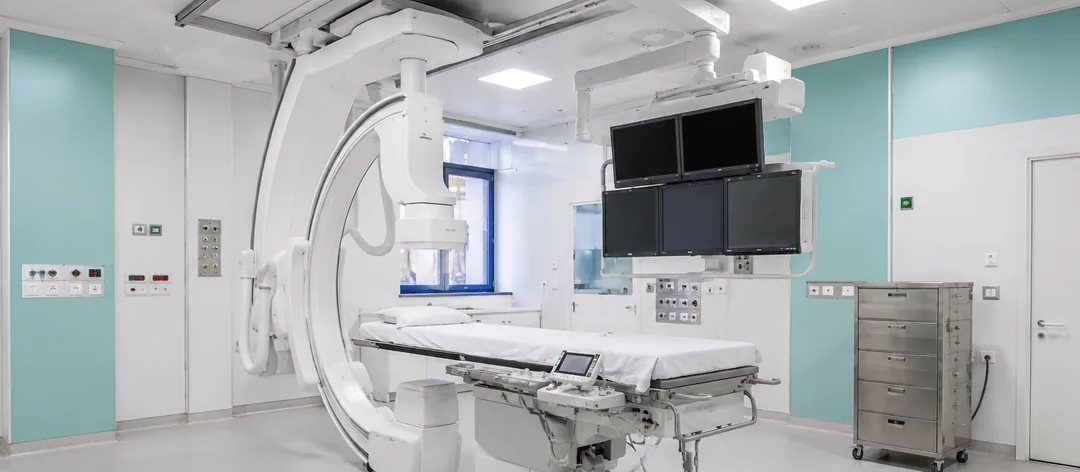
At Fuda, HAIC is performed using the FOLFOX regimen, oxaliplatin, leucovorin, and fluorouracil, administered via a catheter placed in the hepatic or pancreatic feeding artery under imaging guidance.
It is included in China's 2022 National Health Commission guidelines as a recommended treatment for advanced gastrointestinal cancers.
When Hepatic Arterial Infusion Chemotherapy (HAIC) is used at Fuda:
- As a standalone treatment for patients not suitable for ablation
- Combined with targeted therapy or immunotherapy for stronger disease control
- As a bridge treatment while patients await or prepare for NanoKnife
4. Targeted Therapy for Pancreatic Cancer Treatment in China at Fuda Cancer Hospital
Targeted therapy works by identifying the specific genetic mutations driving your tumour's growth and blocking them with precision drugs.
At Fuda, gene testing is conducted on site using panels covering KRAS, EGFR, VEGFR, BRAF, and other mutations relevant to pancreatic cancer.
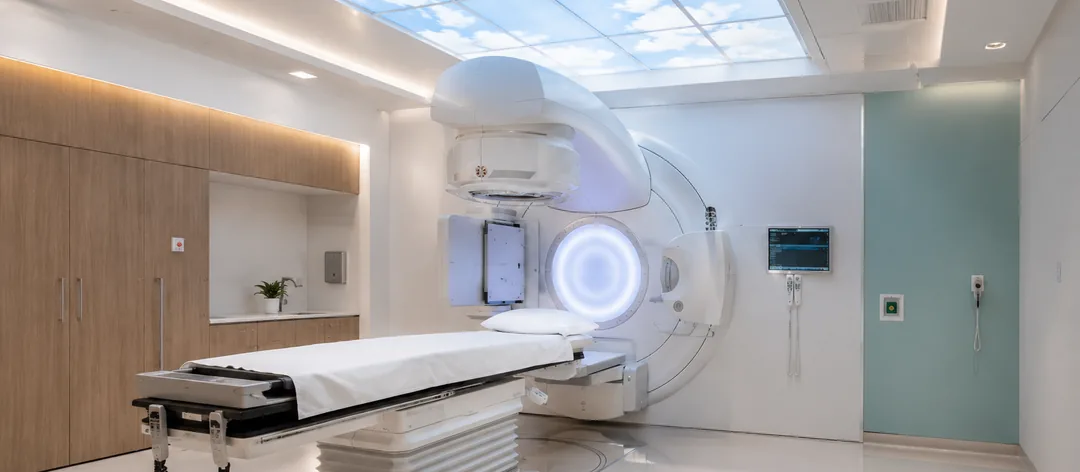
China's regulatory pathway for oncology drugs is faster than in many countries. KRAS G12C and G12D inhibitors, including drugs that entered clinical use in China in 2024 and 2025, are accessible at leading centres.
International patients with KRAS mutant disease may find treatment options in Guangzhou that are not yet available in their home country.
Targeted drugs are given as oral tablets or short infusions. Resistance is monitored throughout, and the treatment plan is adjusted as the tumour evolves.
5. Immunotherapy for Pancreatic Cancer Treatment in China at Fuda Cancer Hospital
Fuda offers PD-1 and PD-L1 checkpoint inhibitors as standalone treatments and in combination with ablation.
Pancreatic cancer is historically considered immune cold, meaning it does not respond strongly to immunotherapy alone.
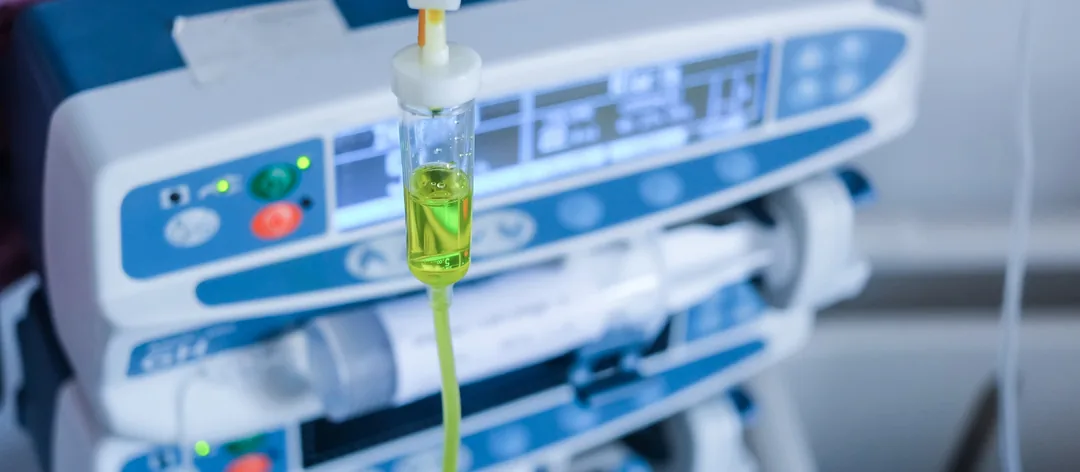
Fuda's clinical experience shows that combining cryoablation or NanoKnife with PD 1 inhibitors can improve the immune response by releasing tumour antigens that activate the immune system.
Fuda presented clinical data on this combination approach at the Society of Interventional Oncology (SIO) annual meeting in 2026, making it the only Chinese hospital with a scientific oral presentation at that congress for this indication.
Ask if immunotherapy is right for your pancreatic case
6. Traditional Chinese Medicine (TCM) Integration at Fuda Cancer Hospital
TCM at Fuda is not a standalone alternative. It is used alongside Western oncology to manage pain, reduce treatment side effects, support immune function, and maintain quality of life during intensive treatment.

Herbal protocols including Astragalus Membranaceus are individualised to each patient and adjusted throughout the treatment course.
Long term use of TCM after treatment has been associated with reduced recurrence risk and improved recovery in published Chinese clinical literature.
For patients from Malaysia, Indonesia, and Southeast Asia, the integration of TCM alongside modern oncology is a significant draw.
How My 1Health Connects You to Fuda Cancer Hospital for Pancreatic Cancer Treatment
My 1Health has partnered with Fuda Cancer Hospital, Guangzhou to give international patients direct access to specialist pancreatic cancer treatment at no additional cost.

Every patient pays exactly what they would pay going directly to the hospital.
We take care of everything, so you can focus on getting better
Trusted by Millions Seeking World-Class Treatment
 Instant visa letter
 Flight bookings
 Airport pickup
 Accommodation
 24/7 support
The My 1Health process for pancreatic cancer patients:
1. Share your diagnosis, scans, and medical reports via a secure WhatsApp link
2. Fuda's specialist MDT reviews your case and identifies the most suitable treatment approach
3. A tailored treatment plan and itemised cost estimate is sent to you within 48 hours
4. My 1Health coordinates your appointment, visa invitation letter, travel, and accommodation
5. On site coordination continues throughout your treatment in Guangzhou
6. Remote follow up is arranged with your local doctor once you return home
The process is designed to remove the logistical complexity of seeking treatment abroad. You do not need to navigate visa applications, accommodation, or hospital registration alone.
Why Surgery Is Not Possible for Most Pancreatic Cancer Patients
Surgery is not possible for most pancreatic cancer patients because the pancreas sits directly against major blood vessels, the portal vein, superior mesenteric artery, and bile ducts, making safe removal impossible once a tumour has grown into or around them.
Around 80% of patients are diagnosed when the tumour has already reached this stage. This is not a failure of early detection alone.

The pancreas sits buried behind the stomach and other organs, and early symptoms, mild back pain, slight jaundice, digestive changes, are easy to attribute to something else.
3 most common reasons surgery is ruled out:
- Locally advanced disease: The tumour involves major blood vessels that cannot be safely cut and reconstructed.
- Metastatic disease: Cancer has spread beyond the pancreas to the liver, lungs, or peritoneum.
- Patient condition: Some patients are not medically fit for a procedure as major as the Whipple surgery (pancreatectomy), which carries a postoperative complication rate of up to 40% even at high volume centres.
Being told surgery is not possible is not the same as being told nothing can be done.
In Guangzhou, 6 specific treatment approaches are available for patients in exactly this position, several of which were designed specifically for tumours that surgery cannot reach.
Pancreatic Cancer Treatment Cost in China vs Malaysia, Indonesia, UK, and UAE (2026)
Pancreatic cancer treatment in China costs significantly less than in Malaysia, the United Kingdom, or the UAE, across every treatment category.
The table below shows indicative 2026 pricing ranges. Individual costs depend on diagnosis, stage, treatment duration, and hospital stay length.

All figures are indicative ranges for 2026. Exact costs depend on individual case complexity, treatment duration, and required combination therapies.
| Treatment | China (Guangzhou) | Malaysia | United Kingdom | UAE |
| NanoKnife ablation | USD 8,000- 20,000 | Not widely available | Research only (NICE) | Limited availability |
| Cryoablation | USD 8,000- 18,000 | Very limited | Not routinely available | Very limited |
| HAIC (liver targeted chemo) | USD 5,000- 15,000 | Some availability | Available, higher cost | Some availability |
| Targeted therapy (KRAS, EGFR) | USD 2,000- 8,000/mo | USD 4,000- 10,000/mo | USD 8,000- 20,000/mo | USD 6,000- 18,000/mo |
| Whipple surgery (resectable) | USD 12,000- 25,000 | USD 20,000- 40,000 | USD 35,000- 70,000 | USD 30,000- 60,000 |
| Chemotherapy (FOLFIRINOX/GEM) | USD 2,000- 6,000/cycle | USD 3,000- 7,000/cycle | USD 5,000- 12,000/cycle | USD 4,000- 10,000/cycle |
For patients from Malaysia and Indonesia, the cost differential is significant. NanoKnife ablation at Fuda starts from USD 8,000, compared with limited or no availability at equivalent cost in either country.
For UK patients, the combination of NanoKnife availability and cost makes Guangzhou a realistic option that the NHS does not currently provide.
What costs to plan for beyond treatment:
- Medical visa: USD 30 to 80 for most nationalities
- Return flights: from approximately USD 200 to 400 from Southeast Asia, USD 600 to 1,200 from the UK or UAE
- Accommodation: included within the hospital for patients and one companion for adults
- Daily living costs in Guangzhou: modest compared with Malaysia, Singapore, or the UK
What to Expect: Travelling to Guangzhou for Pancreatic Cancer Treatment
Travelling to Guangzhou for cancer treatment is more straightforward than most patients expect.

Fuda Cancer Hospital has been treating international patients for over 20 years, and the logistics infrastructure for non Chinese patients is well established.
1. Length of Stay
Most international patients stay between 2 and 6 weeks, depending on the treatment chosen:
- NanoKnife ablation alone: 2 to 3 weeks including pre procedure assessment and post procedure recovery
- NanoKnife combined with chemotherapy or immunotherapy: 4 to 6 weeks
- Cryoablation: 2 to 4 weeks
- HAIC (minimum 4 cycles recommended if disease is controlled): 4 to 6 weeks
- TCM integration alongside any of the above: no additional time required
2. Accommodation and Companions
Patients and one companion are accommodated within Fuda Cancer Hospital for the duration of treatment.
2 companions are permitted for patients under 12. Accommodation is included in the hospital stay and does not need to be arranged separately by the patient or the My 1Health team.
3. Medical Visa
International patients travel to China on a medical visa (M visa), which is applied for using a hospital invitation letter.
My 1Health coordinates the invitation letter from Fuda. Processing time is 3 to 7 business days from the Chinese consulate or embassy in the patient's country.
In urgent cases, fast track processing is available.
4. Airport Transfer
Free airport transfer from Guangzhou Baiyun International Airport (airport code: CAN) to Fuda Cancer Hospital is arranged for every international admission.
Ambulance capable transport is available for patients with mobility limitations.
5. Language Support
Medical interpreters at Fuda cover English, Malay, Arabic, Indonesian, Russian, Thai, and Vietnamese.
Every international patient is assigned a dedicated coordinator who speaks their language from first enquiry through to post discharge follow up.
6. Muslim Patient Services
Fuda has extensive provision for Muslim patients, a primary consideration for patients from Malaysia, Indonesia, Bangladesh, and the Gulf:
- Halal meals served daily in the hospital dining facility
- Dedicated Islamic canteen on site
- On site mosque and prayer rooms available to patients and companions throughout the stay
- Medical interpreters fluent in Malay and Arabic available for all consultations
- Religious festivals and national holidays observed for patients of different backgrounds
Ask about the logistics of travelling to Guangzhou for pancreatic cancer treatment.
How to Start: Getting a Case Review at Fuda Cancer Hospital
The first step requires no travel and no financial commitment. A specialist case review at Fuda Cancer Hospital is available to any international patient who submits their medical records.

What to submit for your case review:
- CT, MRI, or PET CT imaging (most recent)
- Pathology and biopsy report
- Blood tests and organ function results
- Full treatment history including all previous surgeries, chemotherapy cycles, and radiotherapy
- Current medications
Once submitted, Fuda's specialist team reviews your case and provides a written treatment recommendation and itemised cost estimate within 48 hours. This assessment is
provided at no cost.
My 1Health coordinates the entire submission process. Medical records are reviewed by the hospital's multidisciplinary oncology team, not by My 1Health. The written response comes directly from Fuda's specialists.
For a broader overview of cancer treatment in China, see cancer treatment hospitals in China.
For a comparison of hospital options, see best hospitals in China for international patients.