


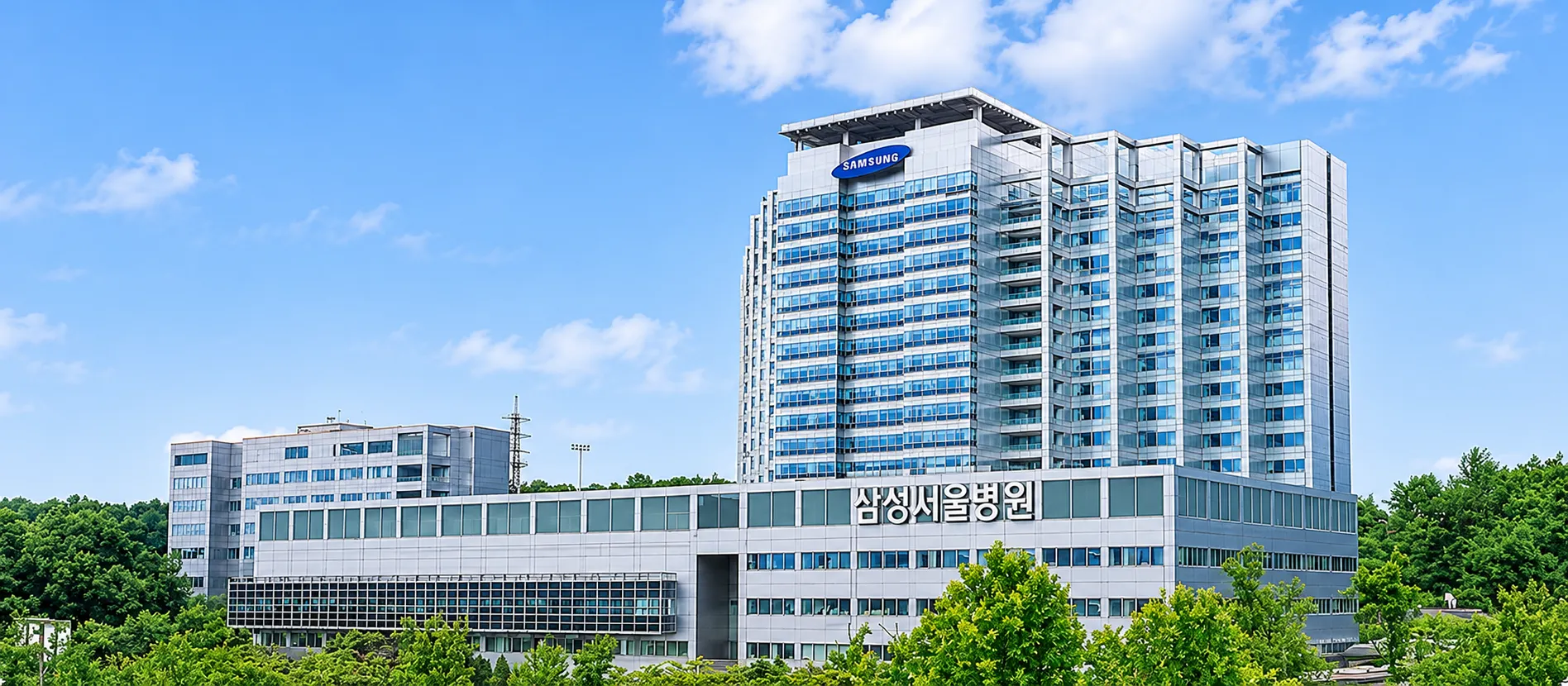
Samsung Medical Center Seoul is a hospital many international patients and their families consider when a diagnosis calls for a second opinion or specialist care. There is no need to decide quickly.
This guide explains what the hospital treats, how self pay works, which visa route fits your passport and what a stay in Seoul looks like.
The hospital is ranked No. 1 in South Korea and No. 26 worldwide by Newsweek (2026), and its cancer programme is placed third globally (2025).
Patients arrive from more than 120 countries, and specialists from each relevant department review every case together.
My 1Health is an international patient support service. We guide your reports, video consultation and travel documents at no cost to you. Our team is available 24/7, in your language.
By the end, you will know whether this hospital fits your situation and what a calm first step looks like.
When you are ready, you can share your reports. Message the international team on WhatsApp.
Is Samsung Medical Center the Best Hospital in South Korea?
Samsung Medical Center is ranked No. 1 in South Korea and No. 26 worldwide in Newsweek's World's Best Hospitals 2026, up four places from 2025.
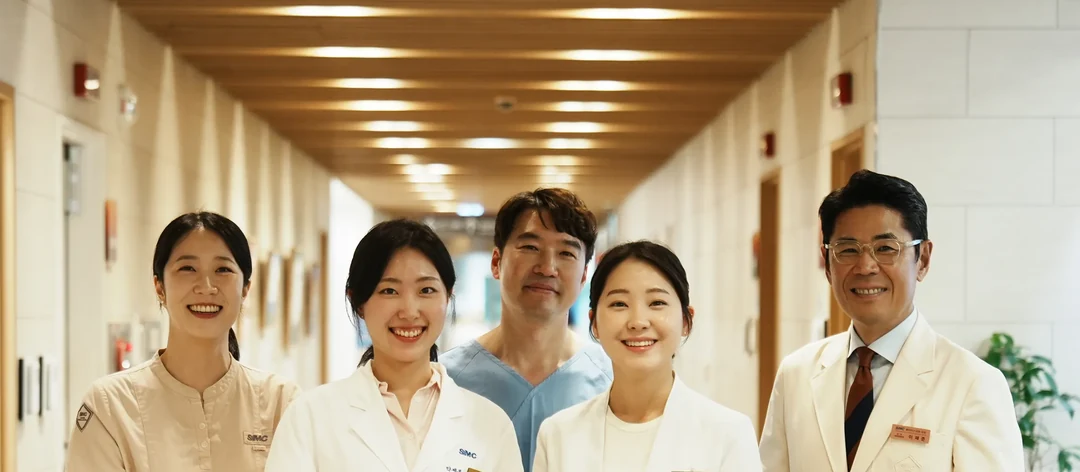
It has held the top place in Korea's Service Quality Index for 16 consecutive years. Its International Healthcare Centre has welcomed patients from 120+ countries since 1995.
What sits behind the ranking
1. Steady climb. The world rank has risen from 40th in 2023 to 34th in 2024, 30th in 2025 and 26th in 2026.
2. Digital care. The hospital is the first in the world to reach HIMSS Stage 7 across all four digital health frameworks, and it received the HIMSS Davies Award (2024).
3. Team decisions. A weekly multidisciplinary conference in every major department means the full team your condition needs sees your case.
Where international patients come from
The United States sends the largest share at 45% (2018 to 2023), followed by the UAE at 15%, Russia at 8%, and Mongolia and Kazakhstan at 7% each.
Interpreters in Arabic, Russian and Mongolian reflect that mix.
What Does Samsung Medical Center Seoul Treat? Key Specialties
Samsung Medical Center treats complex conditions across more than 25 specialties, including haematology, bone marrow transplant, gynaecology, paediatrics and endocrinology.
International patients most often come for cancer, heart disease, neurosurgery, gastroenterology, urology and rehabilitation.
A health check up programme covers preventive screening.
| Specialty | Known for | Programme |
| Cancer | Proton therapy, CAR-T | 17 cancer centres |
| Heart | TAVI, bypass, LVAD | 6 specialist cardiac teams |
| Neurosurgery | Gamma Knife, brain tumours | 3 dedicated centres |
| Gastroenterology | ESD, POEM, ERCP | 4 dedicated clinics |
| Urology | Robotic prostatectomy | Pluvicto therapy |
| Rehabilitation | Stroke, spinal cord | 8 rehabilitation disciplines |
| Health check up | Preventive screening | 4 package types |
If your condition is not listed, the international team asks the hospital which department can review your case.
Samsung Medical Center Cancer Treatment: Proton, CAR-T, Gamma Knife
The hospital is ranked No. 3 globally for cancer treatment by Newsweek (2025), with 17 specialised cancer centres.
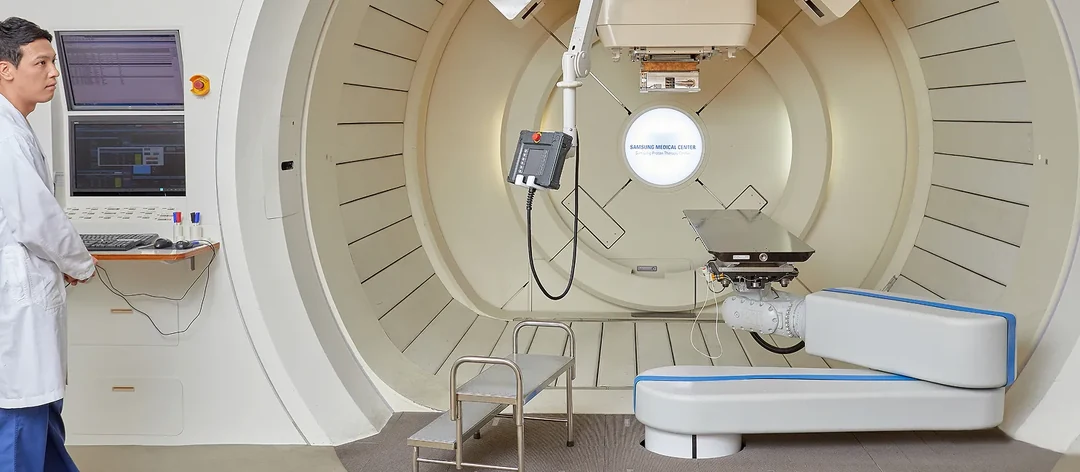
The cancer programme includes
- Proton therapy
- CAR-Tcell therapy
- Gamma knife radiosurgery
- Robotic cancer surgery
- Immunotherapy
- Targeted therapy
- Chemotherapy
- Bone marrow transplant
Proton therapy, CAR-T and Gamma Knife
1. Proton therapy. More than 7,000 patients have received pencil beam proton therapy (a precisely targeted radiation beam) since 2015. Only two hospitals in Korea use second generation pencil beam scanning.
2. CAR-T cell therapy. Korea's first CAR-T centre opened here in 2021. The treatment reprogrammes a patient's own immune cells to target blood cancers.
3. Gamma Knife. Over 20,000 cases (2023) make it the highest volume programme in South Korea, and it is the only hospital in the country with two Gamma Knife Icon units.
Five year survival rates
| Cancer | Samsung | US (SEER) |
| Breast | 97.6% | 91.7% |
| Stomach | 89.1% | 37.9% |
| Colorectal | 84.3% | 65.4% |
| Lung | 63.6% | 28.1% |
| Liver | 61.2% | 22.0% |
| Pancreas | 23.5% | 13.3% |
For a wider look at oncology care across the country, read best hospitals for cancer treatment in South Korea.
Samsung Medical Center Heart Surgery: TAVI, Bypass and LVAD
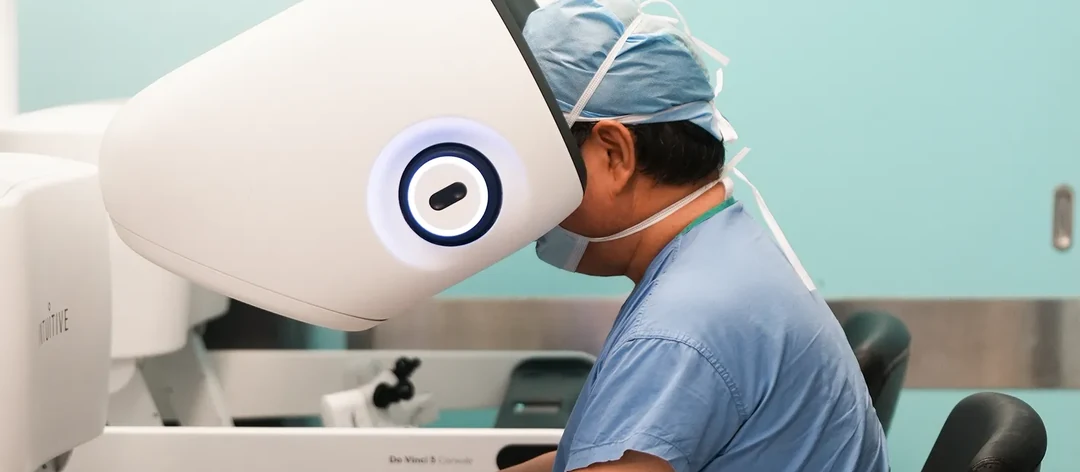
The hospital performs more than 4,000 cardiac surgeries a year through six specialist cardiac teams.
The heart programme covers
- Coronary bypass surgery (CABG)
- TAVI aortic valve replacement
- Catheter ablation
- LVAD implantation
- Heart valve repair
- Arrhythmia management
- Pulmonary hypertension
- Congenital heart care
1. TAVI Fast Track. Assessment takes 1 week and treatment follows within 4 days. TAVI replaces the aortic valve through a catheter, without open chest surgery.
2. Coronary care. More than 1,500 coronary interventions (PCI, stents to open blocked arteries) are performed every year.
3. LVAD programme. 200 third generation LVAD procedures were performed in 2024. An LVAD is a pump that supports a weakened heart.
Patients comparing options across the country can read best heart surgery hospitals in South Korea.
Neurology, Digestive, Urology and Rehab Care at Samsung
Neurosurgery and neurology
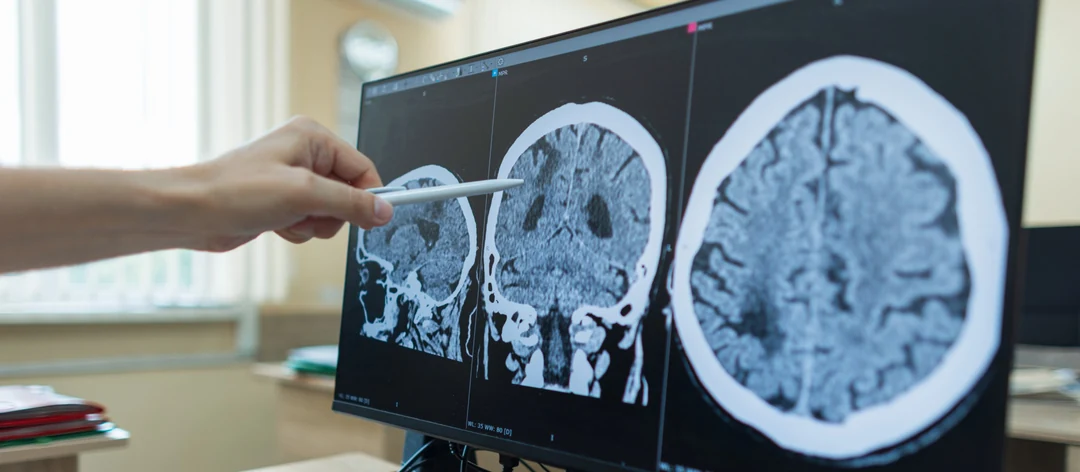
More than 5,000 neurosurgical procedures take place each year across three dedicated centres for brain tumour, stroke and spine care. The neurosurgery department has performed 3,000+ endoscopic brain tumour surgeries and offers deep brain stimulation and epilepsy surgery.
Gastroenterology
The gastroenterology department is ranked No. 5 globally by Newsweek (2026). It performs 600+ ESD procedures a year with an 85%+ complete resection rate. ESD removes early stomach and bowel cancers through an endoscope, with no open surgery.
Urology
Urology covers robotic prostatectomy and Pluvicto therapy, a targeted radiation treatment for prostate cancer that has spread. The guide to prostate cancer treatment at Samsung Medical Centre explains each option.
Rehabilitation
Eight rehabilitation disciplines treat stroke, spinal cord, neurological, cancer, paediatric and musculoskeletal conditions. The rehabilitation team includes 55 experts who shaped the 2022 national stroke rehabilitation guidelines. Inpatient stays run 4 to 8 weeks for stroke and 6 to 12 weeks for spinal cord injury.
How Much Does Treatment Cost at Samsung Medical Center?
Samsung Medical Center treats international patients on a self pay basis, with no direct billing to overseas insurers.
Outpatient services are paid before they begin, and inpatient admission requires a deposit of 80% of the written estimate.

The hospital prepares that estimate after its specialists review your case.
1. You share your diagnosis and scan reports.
2. The specialist team reviews them and sends a written estimate for your treatment plan.
3. You pay outpatient services before they begin.
4. You pay the 80% deposit before your admission date. The final bill reflects the treatment you receive.
The estimate covers your treatment plan. Flights, accommodation, a travelling companion and extra nights sit alongside it, and the cost calculator below helps you build a full trip budget.
Health check up package prices (2026)
Four health check up packages are offered for men and women: Primary Health, Executive Health, Executive on Cancer and Premium Health, priced from KRW 1,741,000 to KRW 7,934,000 (2026).
| Package | Price (KRW, 2026) | Includes |
| Primary Health (Men) | 1,741,000 | 3 hours, full body check |
| Primary Health (Women) | 2,156,000 | 3 hours, breast and gynaecologic imaging |
| Executive Health (Men) | 2,805,000 | 4 hours, cardiac, metabolic, cancer risk |
| Executive Health (Women) | 3,220,000 | 4 hours, hormonal profiling |
| Executive on Cancer (Men) | 2,654,000 | 5 hours, endoscopy, CT, tumour markers |
| Executive on Cancer (Women) | 3,327,000 | 5 hours, cancer screening, imaging |
| Premium Health (Men) | 7,584,000 | 8 hours, PET-CT, cardiac CT, brain imaging |
| Premium Health (Women) | 7,934,000 | 8 hours, PET-CT, brain imaging, cardiac |
Your exact cost depends on your case. Speak to the international team for an accurate estimate. They are available 24/7, in your language.
Do You Need a Visa for Treatment at Samsung Medical Center?

Passport holders from the United States, UAE, UK, Canada, Australia, Singapore and Germany travel to South Korea visa free for 90 days (checked 2026-11-11). Mongolian passport holders apply for an e-visa online. Kazakhstan and Russia passport holders obtain an ETA, an online travel authorisation, before flying.
| Passport | Route | Detail |
| United States, UAE, UK | Visa free | 90 days |
| Canada, Australia, Singapore, Germany | Visa free | 90 days |
| Mongolia | E-visa | Passport copy, photo, treatment letter |
| Kazakhstan | ETA | 30 day stay |
| Russia | ETA | 60 day stay |
An e-visa or ETA is completed online before you fly, so there is no embassy queue. Entry rules can change, so check your route again close to your travel date. If your treatment plan runs beyond the permitted stay, the international team guides you through the right documents.
We help you get a hospital invitation letter and guide you through the right documents. We do not process visas. We advise and guide, at no cost to you.
How to Book an Appointment at Samsung Medical Center
To book at Samsung Medical Center, the international team shares your diagnosis and scan reports with the hospital. Its specialists review them, prepare a written treatment plan and cost estimate, and offer an in-person appointment or a video consultation. Admission dates follow once you confirm the plan.
1. Share your reports. Send your diagnosis, scans and pathology through a secure WhatsApp link.
2. Specialist review. The department's multidisciplinary team studies your case.
3. Plan and estimate. You receive a written treatment plan and cost estimate.
4. Choose your first step. Pick an in-person appointment, a second opinion or a 30 minute video consultation, available for most specialties.
5. Confirm and travel. Payment follows the self pay steps above, and your itinerary is arranged around the treatment schedule.
Samsung Medical Center Address, Languages and Where to Stay
Samsung Medical Center is in Gangnam-gu, Seoul, South Korea. Hospital shuttles connect to Suseo SRT, Suseo Station on Line 3 and Irwon Station on weekdays from 7:30 AM, and private transfers are available. Interpreters speak Arabic, Russian, Mongolian, Chinese and Vietnamese throughout inpatient stays.
The International Healthcare Centre coordinates English language support across consultations and services. Hotels near the hospital in Gangnam suit patients and the family members travelling with them.
Preferences worth raising before you travel
Comfort matters on a long stay. The international team can ask the hospital about the points below, so you hear the answer before you book flights.
1. Private or single room options for inpatient stays.
2. Meal preferences, including halal and other dietary needs.
3. A quiet space for prayer or reflection.
4. Accommodation close to the hospital for a travelling companion.
Things to Do in Seoul Before or After Your Treatment
Many patients and their families spend a few quiet days in Seoul around care. Your care team confirms which days suit your treatment plan, so you can enjoy the city with confidence. A Primary Health check up takes 3 hours, which leaves room for a day out.
1. Gyeongbokgung Palace. The largest of Seoul's royal palaces, built in 1395, with a changing of the guard ceremony at its gate.
2. Bukchon Hanok Village. Hillside lanes of traditional Korean houses a short walk from the palace.
3. N Seoul Tower. Panoramic views of the city from the top of Namsan.
4. Starfield Library at COEX. An open library with towering bookshelves inside the COEX shopping complex in Gangnam.
5. Bongeunsa Temple. A Buddhist temple in the middle of Gangnam, opposite COEX.
6. Han River parks. Riverside paths for a slow walk, a cycle or an evening picnic.
How My 1Health Helps You Reach Samsung Medical Center
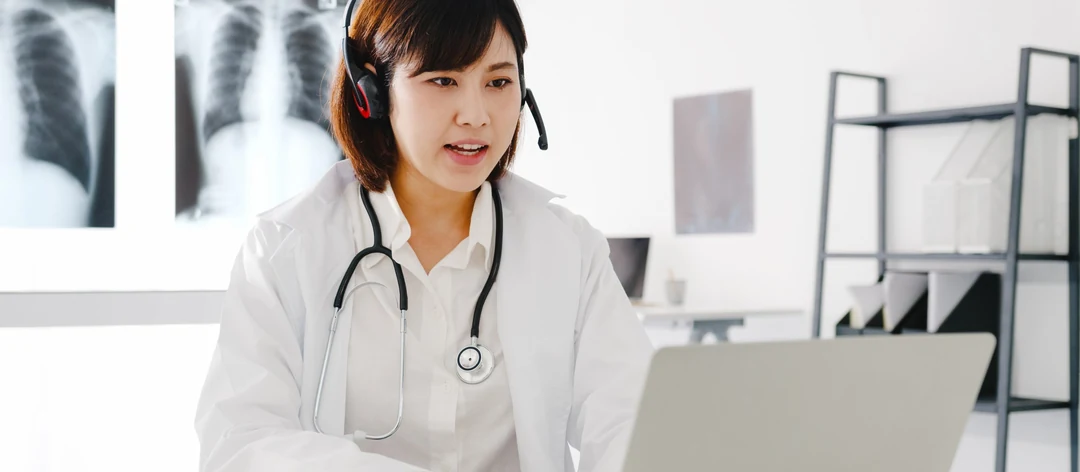
My 1Health helps international patients reach Samsung Medical Center at no cost to you. A named support specialist forwards your reports to the hospital's specialist team, arranges your video consultation, guides your documents and plans your travel. Support runs 24/7, in your language.
1. Your reports reach the hospital's specialist team through a secure WhatsApp link.
2. The hospital sends your treatment plan and written cost estimate.
3. A video consultation is arranged before you commit to travel.
4. You receive guidance on the hospital invitation letter and visa documents.
5. Airport pickup, accommodation near the hospital and interpreters are arranged.
6. Your medical records reach your home doctor after treatment.
My 1Health has assisted 55,000+ patients from 190 countries across 350+ partner hospitals, and you pay what you would pay going to the hospital directly.