



Thalassaemia treatment in China costs between USD 25,000 and USD 55,000 for a full stem cell transplant (haematopoietic stem cell transplant), roughly 30 to 50% less than equivalent programmes in Singapore or the United Kingdom.
Chinese hospitals have emerged as one of the best destinations for thalassaemia treatment with some reporting cure rates of up to 85- 92% for beta thalassaemia, major in matched sibling donor cases.
My 1Health is a global medical tourism company partnered with these hospitals to assist international patients get treatment in China at no additional cost.
We take care of everything, so you can focus on getting better
Trusted by Millions Seeking World-Class Treatment
 Instant visa letter
 Flight bookings
 Airport pickup
 Accommodation
 24/7 support
Our team submits your medical reports to the hospital's haematology specialists, coordinates your treatment plan and cost estimate, and handles visa support, airport transfers, accommodation, and 24/7 patient support.
By the end of this guide, you will know which hospital fits your case, what success rates to expect by donor type, and what treatment in China realistically costs.
Jump to your hospital:
1. GoBroad Healthcare Group
2. Beijing Jingdu Children's Hospital
Not sure where to start? Speak to a thalassaemia support specialist today.
Is Thalassaemia Curable? Why China Is the Leading Destination
Thalassaemia major can be cured. A bone marrow transplant, known medically as a haematopoietic stem cell transplant (HSCT), replaces the body's faulty blood-producing cells with healthy donor cells.
When successful, the body begins making normal haemoglobin on its own. No more transfusions. No more iron overload.
Why families choose China for thalassaemia treatment:
1. Volume
China's leading centres each perform hundreds of thalassaemia transplants per year.
GoBroad's Nanfang-Chunfu has completed 1,400+, with a 97%+ overall survival rate. Beijing Jingdu has performed 1,900+ transplants.
2. Haploidentical expertise
China performed the world's first half-matched donor transplant for thalassaemia in 1999.
For families without a matched sibling donor, this protocol is now available with results that rival matched sibling outcomes.
3. Cost
Full HSCT in China costs USD 25,000 to 55,000, compared to USD 90,000 to 180,000 in the UK or USD 60,000 to 120,000 in Singapore.
4. Published outcomes
GoBroad's results have been presented at the American Society of Hematology (ASH), European Society for Blood and Marrow Transplantation (EBMT), and published in peer-reviewed journals including Frontiers in Medicine.
Thalassaemia Bone Marrow Transplant Success Rates in China
Success rates vary by donor type and patient age. Here is what the data from Chinese transplant centres actually shows:
| Donor Type | Overall Survival | Transplant-Free Survival |
|---|---|---|
| Matched sibling | 89-92% | 85-88% |
| Matched unrelated | 83-87% | 80-85% |
| Haploidentical, GoBroad TDH | 97.84% | 94.3% |
| Cord blood | 75-82% | 70-78% |
Sources: GoBroad cohort data (ASH 2024, EBMT 2024); Baronciani et al., Blood 2016. Outcomes vary by patient profile and disease severity.
Age is a major factor. An international survey in Blood covering 1,110 thalassaemia patients found 5-year survival of 90% for children under 6, 84% for ages 7 to 15, and 63% for ages 16 to 25.
When comparing centres, ask for thalassaemia-free survival, not just overall survival.
Thalassaemia-free survival means the patient is alive and no longer transfusion-dependent, which is the outcome that genuinely changes a life.
3 Best Hospitals for Thalassaemia Treatment in China
These 3 hospitals have the clinical depth and international patient infrastructure to be genuinely recommended for thalassaemia treatment.
1. GoBroad Healthcare Group
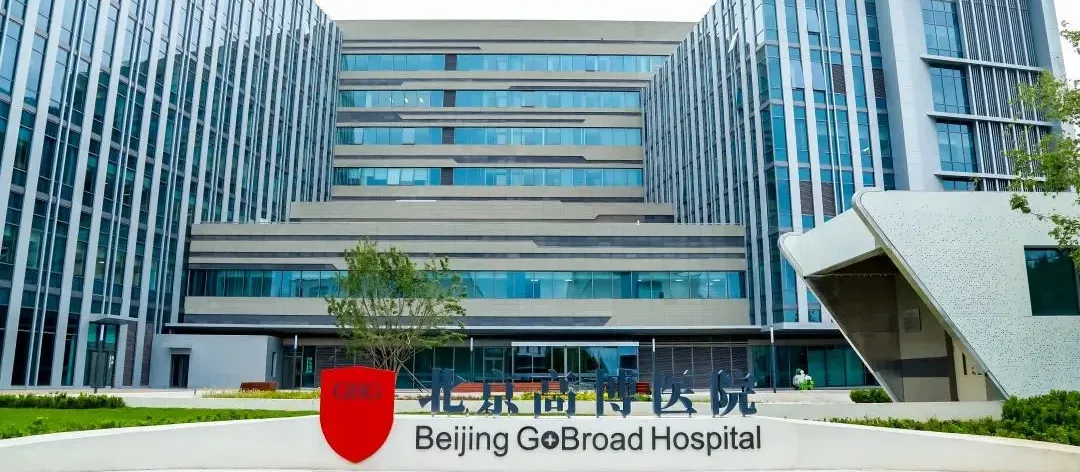
Best for: All ages. Any donor type, including patients with no matched sibling. Complex cases, previous transplant failures, and thalassaemia combined with other conditions.
GoBroad Healthcare Group is led by Professor Chunfu Li, known internationally as the "Father of Thalassemia."
His team performed China's first half-matched donor transplant for thalassaemia in 1999 and has spent 25 years refining the protocol.
Clinical outcomes (January 2024):
- 1,223 HSCTs performed at the Nanfang Chunfu Children's Institute
- 69.77% were haploidentical (half-matched donor) transplants
- 97.84% overall survival rate for thalassaemia patients
- Graft failure rate below 2%
- Formally admitted to EBMT in 2025; research presented at ASH 2024, EHA 2025, EBMT 2024
Contact GoBroad's International Patient Team
Key protocols:
a) TDH: This protocol tackles the main risk of half-matched transplants, GVHD (graft versus host disease), where the donor's immune cells attack the recipient.
TDH removes the T cells responsible while preserving those that ensure the transplant takes.
Acute GVHD rates have fallen from 40 to 60% with older approaches to 15%. Most TDH patients require no long-term anti-rejection medication.
b) DD HSCT: GoBroad's Double insurance Dual HSCT combines a half-matched transplant with a cord blood unit. Four-year disease-free survival rate: 97.6%.
c) Hemo cel gene therapy: For families where no donor is available at all. Uses CRISPR gene editing on the patient's own stem cells to correct the faulty gene.
No donor needed. No GVHD risk. Early data shows 90% of patients achieving normal haemoglobin production within 3 months.
Facility:
- 150 standard beds, 36 specialised transplant suites, 100+ clean rooms
- GoBroad Guangdong Rare Disease Center opened February 2026
- Mayo Clinic strategic collaboration in place
- Treats patients from Southeast Asia, Middle East, and Sub-Saharan Africa
Ask about GoBroad's thalassaemia transplant programme and costs
2. Beijing Jingdu Children's Hospital
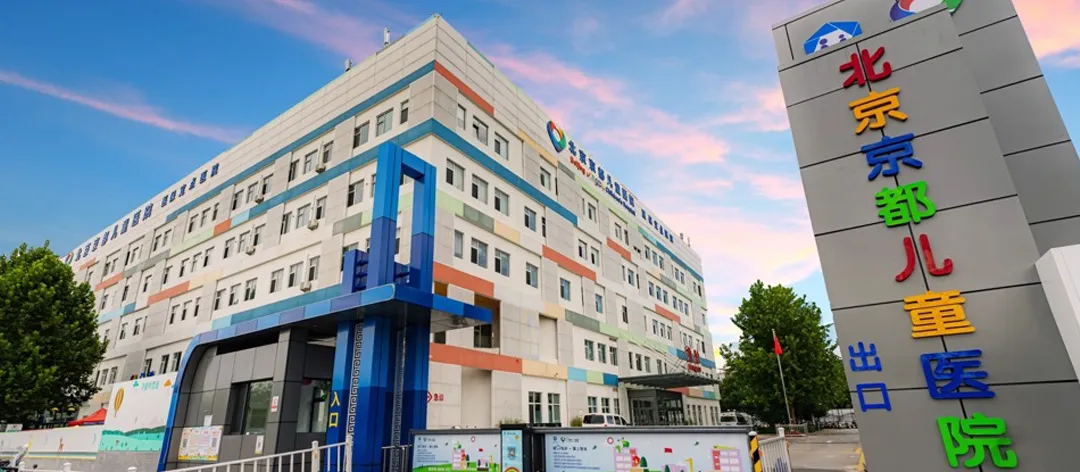
Best for: Paediatric patients under 14. Families seeking both gene therapy and HSCT within one centre. Patients from Myanmar, Bangladesh, Pakistan, and Central Asia.
Beijing Jingdu Children's Hospital is a dedicated paediatric haematology centre in Beijing. Professor Sun Yuan leads a team that completes over 150 HSCTs annually. The hospital has performed over 1,900 transplants across all indications.
What sets Jingdu apart:
a) Gene therapy (BRL 101)
The only one of these 3 centres delivering this CRISPR gene editing protocol for thalassaemia.
It corrects the beta globin mutation in the patient's own stem cells, with no donor required.
In reported cases, 90% of patients achieved normal haemoglobin production within 3 months, and 78% reached full transfusion independence within one year.
b) Cord blood protocol
The Jingdu Protocol achieves engraftment in 14 to 18 days vs 21 to 28 days with standard protocols. Chronic GVHD incidence: 18 to 23%, vs 32 to 38% internationally.
For more detail, see our article on best paediatric bone marrow transplant in China at Beijing Jingdu Children's Hospital.
c) Haploidentical transplant
Acute GVHD reduced from 40 to 60% to 15% using T cell depletion. Transplant-related mortality dropped from 30% to 8% with stratified conditioning.
d) Hospital school
The only centre of the 3 with a dedicated school for children in recovery. Children who spend months in transplant isolation can continue their education on site.
e) Research
Presentations at ASH and EHA; publications in Blood and Leukemia; contributed to the Lancet's global cord blood transplant tracking system.
Enquire about paediatric thalassaemia treatment and cost at Beijing Jingdu
Read: Beijing Jingdu Children's Hospital: What International Families should expect
3. Kunming Tongren Hospital
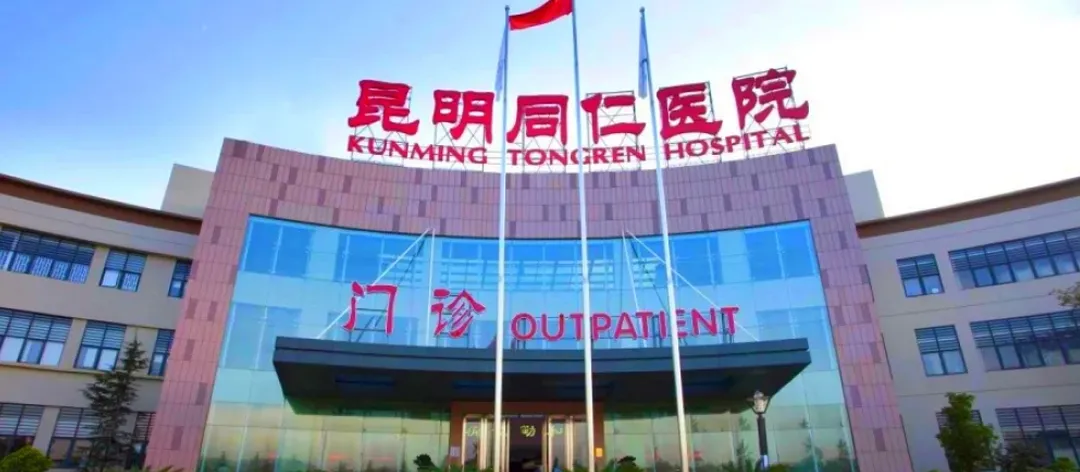
Best for: Patients from Myanmar, Laos, Vietnam, and the Greater Mekong Subregion. Families requiring Halal certified meals and strong cross-border patient support.
Kunming Tongren Hospital is located in Kunming, Yunnan Province, southwest China, on the border with Myanmar, Laos, and Vietnam.
For families from these countries, it is the closest major Chinese medical centre and the most practically accessible.
Haematology department:
- Treats thalassaemia, leukaemia, aplastic anaemia, lymphoma, and other blood disorders
- 11 Class 100 laminar flow operating theatres (the clean room standard required for HSCT)
- 100+ senior specialists across 40 clinical departments, 3 emergency centres
International patient services:
- Official hospital invitation letter for your Chinese medical visa
- Professional on-site interpreters and bilingual ward staff
- Airport pickup, currency exchange, accommodation assistance
- International ward built to infection control standards with 24-hour nursing
- Halal certified fresh meals prepared on site
- Telemedicine pre-consultation before you travel, to confirm suitability
- Dedicated post-discharge follow-up groups for remote patients
Enquire about thalassaemia treatment, visa support, and costs at Kunming Tongren
Thalassaemia Treatment Cost in China vs Other Countries (2026)
A thalassaemia bone marrow transplant in China costs between USD 25,000 and USD 55,000, all-in, for most international patients.
The total rises to USD 30,000-70,000 when accommodation, companion living costs, and post-discharge medications are included.
What is included:
- Pre-transplant evaluation and HLA typing (blood matching test)
- Conditioning: chemotherapy or radiotherapy to prepare the body
- Stem cell collection, processing, and infusion
- Inpatient stay, 6 to 10 weeks
- GVHD monitoring and management
- Hospital interpreter services

Additional costs families often miss:
- Companion accommodation: USD 800 to 1,500 per month per person
- Companion meals: USD 400 to 800 per month
- Post-discharge medications (up to 12 months): USD 2,000 to 6,000
- Weekly outpatient visits for 4 to 6 weeks post-discharge
- Visa fees, document legalisation, and return travel
Families who budget only for the hospital quote find the real cost runs 20 to 30% higher. My 1Health provides a full cost breakdown, not just the procedure price.
| Country | HSCT Cost (USD) | Notes |
|---|---|---|
| China | 25,000-55,000 | Highest published haplo HSCT volumes globally; 97.84% OS at GoBroad |
| India | 18,000-35,000 | Strong infrastructure; Apollo, Fortis, Medanta; smaller thalassaemia volumes |
| Turkey | 20,000-45,000 | Growing programmes; suited for West African and GCC patients |
| Thailand | 30,000-60,000 | High infrastructure costs; Bumrungrad and MedPark |
| Germany | 80,000-150,000 | Highest precision protocols; cost prohibitive for most origin markets |
| Singapore | 60,000-120,000 | Premium care; significantly more expensive than China |
| United Kingdom | 90,000-180,000 | Primarily for UK residents or insured patients |
2026 estimates. Ranges reflect matched sibling and haploidentical scenarios.
Get a personalised cost estimate for thalassaemia treatment in China
No Matched Sibling Donor? How Haploidentical Transplant Works in China
Most families reading this do not have a perfectly matched sibling donor. China, and GoBroad specifically, has spent 25 years solving this.
A haploidentical transplant uses a parent, sibling, or close relative as the donor.
Because every person inherits half their immune genetics from each parent, a biological parent is automatically a 50% match for their child.
This expands the eligible donor pool from a handful of people to almost any willing family member.
The historical problem, and how China fixed it:
Half-matched transplants once carried a 30 to 50% risk of the donor's immune cells attacking the recipient's body, a complication called GVHD (graft versus host disease).
GoBroad's TDH protocol addresses this by removing the specific T cells responsible for GVHD while keeping the cells needed for the transplant to take.
The result: GVHD rates comparable to matched sibling transplants, with no waiting time for a registry match.
The data:
- 1,223 transplants performed (2018-2024); 69.77% were haploidentical
- 97.84% overall survival rate across this predominantly haploidentical cohort
- Graft failure below 2%
- Acute GVHD reduced from 40-60% (traditional haplo) to 15% with TDH
Important: Haploidentical transplants carry a higher viral infection risk post-procedure, as the immune system rebuilds more slowly.
GoBroad manages this with memory T cell re-infusion and close monitoring. Ask specifically about infection management protocols when you enquire.
For full preparation guidance, see our article on getting a bone marrow transplant abroad.
Travelling to China for Thalassaemia Treatment: What to Expect
Thalassaemia transplant in China requires 10 to 16 weeks on the ground. Here is exactly what that looks like.
a) Medical visa for China (Type M):
- The hospital issues an official invitation letter once your case is accepted.
- Compile your application: passport, invitation letter, medical documents, completed form, passport photos.
- Submit to the Chinese embassy or consulate in your country.
- Processing: 5 to 7 working days.
- Visa issued. Book your flights.
My 1Health coordinates the invitation letter with the hospital on your behalf. Without it, your visa application will not proceed.
b) How long you will be in China:
- Inpatient transplant period: 6 to 10 weeks
- Post-discharge outpatient monitoring: 4 to 6 weeks nearby
- Minimum realistic stay: 10 to 12 weeks. Complex cases: 14 to 16 weeks.
c) What to bring:
- All original medical records: genetic diagnosis, transfusion history, iron chelation history
- Copies of all documents
- HLA typing results if done at home
- Two months' supply of current medications
- Chinese yuan for daily expenses
d) Language and dietary support:
- All three hospitals provide professional on-site medical interpretation
- Kunming Tongren provides fresh Halal certified meals. Confirm requirements for GoBroad and Jingdu when submitting your case.
- My 1Health confirms dietary arrangements before you travel.
e) Post-discharge follow-up:
All 3 hospitals offer remote telemedicine follow-up after you return home. Before leaving China, establish a handover plan with your local haematologist. My 1Health stays with you through this period.
Start planning your thalassaemia treatment journey in China today
My 1Health has assisted 53,000+ patients from 95+ countries, including families travelling to China for thalassaemia transplant.
All hospitals here are verified partner centres. Our coordination service is completely free for patients.