


What Is CAR T Cell Therapy?
CAR T cell therapy is a personalised immunotherapy used to treat certain relapsed or refractory blood cancers when standard treatments have stopped working.
It involves modifying your own immune cells so they can recognise and destroy cancer cells more effectively.
In India, CAR T therapy is available at select tertiary cancer centres for conditions such as acute lymphoblastic leukaemia, aggressive B-cell lymphomas and multiple myeloma.
It is considered after chemotherapy, targeted therapy or even stem cell transplant has failed.
Since its first regulatory approvals in 2017, CAR T therapy has been incorporated into international treatment guidelines for specific high-risk blood cancers.
Clinical trials and real-world data have shown high remission rates in heavily pretreated patients, particularly in relapsed acute lymphoblastic leukaemia and certain aggressive lymphomas.
For many families searching for options after relapse, CAR T therapy is an evidence-based treatment recommended in international oncology guidelines for specific high-risk and relapsed blood cancers.
Check if I qualify for CAR T therapy in India
Why International Patients Choose India for CAR T Therapy

When you are exploring CAR T cell therapy in India, cost is only one part of the decision. Experience, safety, and access to specialised cancer care matter just as much.
Here is why India has become a leading destination for CAR T treatment for blood cancer:
- Up to 80% lower cost than the US- CAR T therapy costs about USD 375,000 to 475,000 in the United States. In India, it ranges from USD 30,000 to 100,000 depending on hospital and ICU needs.
- Highly experienced CAR T therapy oncologists
- India developed its own CAR T therapy program, improving availability and reducing dependency on imported products. This has played a major role in improving access within the region.
- High-volume cancer centres in major cities such as Delhi, Mumbai, Chennai and Hyderabad, treating hundreds of thousands of oncology patients annually
- International patient services, including:
- Medical visa guidance and invitation letters
- Multilingual interpreters
- Dedicated international patient departments/lounges
- Airport transfers and accommodation assistance
- 24-hour international patient coordinators
For many international families, India offers a combination of affordability, specialised blood cancer expertise and structured support for medical travellers.
Help me compare hospitals for CAR T therapy in India
10 Best Hospitals in India for CAR T Cell Therapy
1. Medanta - Gurugram & Lucknow
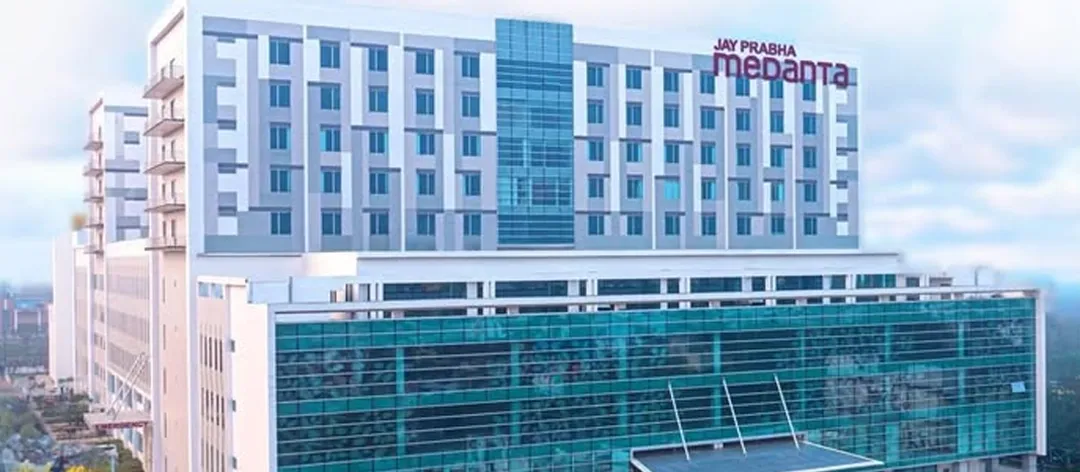
Medanta is ranked among World’s Best Hospitals by Newsweek for 6 consecutive years and #1 hospital in India.
It treats 2,500+ bone marrow and stem cell transplant cases cumulatively, with a high-volume haemato-oncology unit managing complex leukaemia, lymphoma and multiple myeloma cases.
With specialised transplant ICUs and a multidisciplinary tumour board reviewing advanced blood cancer cases, Medanta is recognised for managing relapsed and refractory disease.
The cost of CAR T therapy at Medanta in India is estimated at USD 100,000 (single room), with BMT at USD 35,000–40,000, and evaluation costing USD 1,000–1,500.
The estimated stay is 1 day in hospital and around 2 weeks in India, with airport transfers included making it one of the most affordable hospitals in India for CAR T Cell Therapy
International patients receive visa letters, airport assistance and coordinated follow-up.
2. HCG Cancer Centre
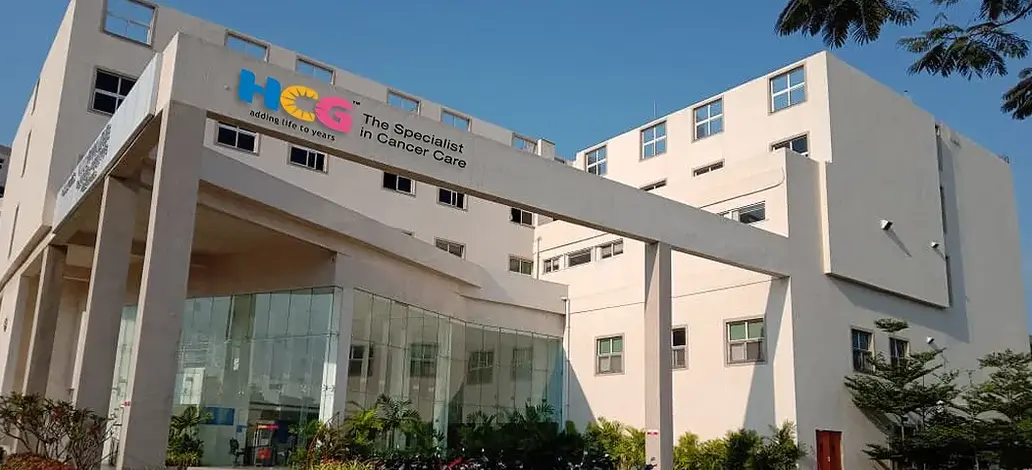
HCG operates one of India’s largest dedicated oncology networks, treating over 200,000 cancer patients annually supported by 400+ experienced oncologists.
CAR T therapy is offered following evaluation, particularly for CD19-positive relapsed blood cancers.
The cost of CAR T therapy at HCG in India is estimated at USD 75,000, with an initial evaluation of 2 weeks costing approximately $4000.
HCG supports international patients across Bengaluru, Mumbai, Kolkata and Ahmedabad.
Services include visa invitation letters, complimentary airport pickup, accommodation extension support and interpreters in Arabic, French and Bengali.
The network also accepts multiple international insurance providers across the Middle East and Africa.
3. Fortis Memorial Research Institute
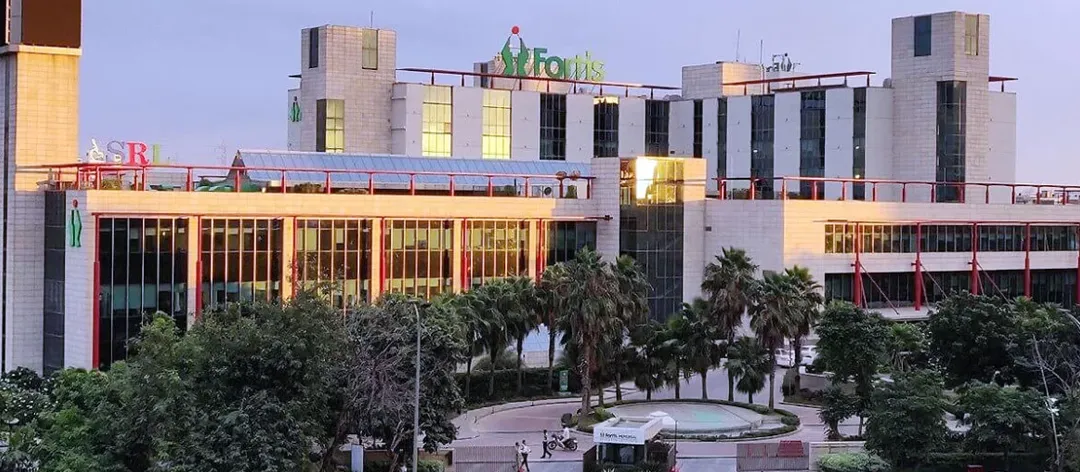
Fortis Memorial Research Institute is a JCI and NABH accredited tertiary care hospital with a specialised bone marrow transplant programme.
The haemato-oncology department manages high-risk leukaemia and aggressive lymphomas and offers CAR T therapy in select cases.
Fortis international patient services include interpreters, visa letters and coordinated care. Its strength lies in critical care infrastructure and multidisciplinary oncology management.
View Hospital Profile
4. Apollo Cancer Centre in Chennai
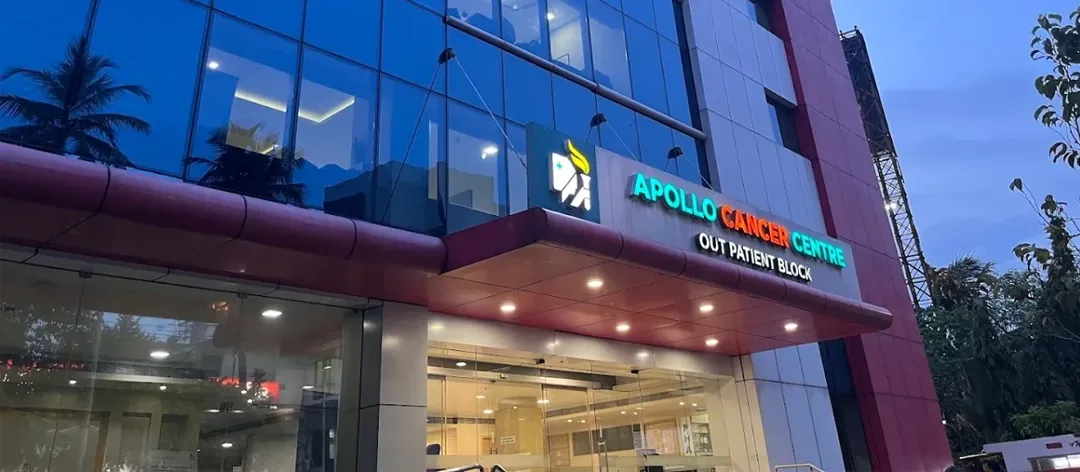
Apollo Cancer Centre manages one of India’s largest oncology volumes, with thousands of bone marrow transplants performed across the Apollo network.
The centre offers CAR T therapy within its haemato-oncology programme for relapsed and refractory blood cancers. NABH accreditation and dedicated transplant ICUs support cellular immunotherapy delivery.
Apollo serves patients from over 120 countries. It provides international patient lounges, visa assistance, airport transfers and coordinated oncology consultations.
Its global presence strengthens trust for patients travelling for CAR T therapy in India.
View Hospital Profile
5. Apollo Proton Cancer Centre – Chennai

As South Asia’s first proton therapy centre, Apollo Proton Cancer Centre integrates advanced radiation oncology with haemato-oncology services. CAR T therapy is offered through Apollo’s broader oncology network.
The centre manages high volumes of complex cancer cases and operates under strict NABH standards.
International patients benefit from structured treatment pathways, dedicated coordinators and comprehensive pre-travel planning. The hospital’s reputation for complex oncology cases strengthens its credibility in cellular therapy referrals.
View Hospital Profile
6. MGM Healthcare – Chennai
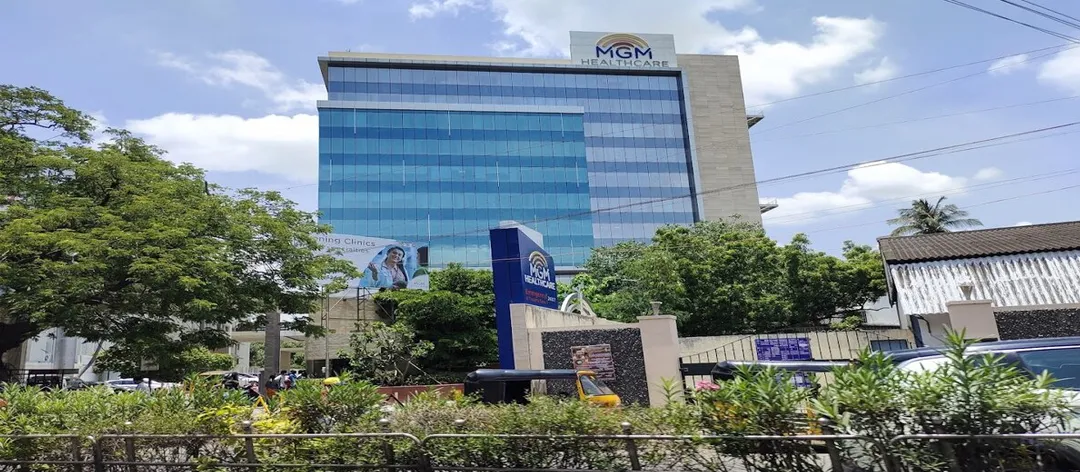
MGM Healthcare has established transplant-level infrastructure and high-dependency ICUs suited for cellular therapies such as CAR T. The hospital is NABH accredited and focuses on high-acuity medical cases.
International services include visa facilitation, interpreters and accommodation coordination.
The hospital offers language assistance in Russian and Arabic and provides cultural liaison officers to guide international patients throughout treatment.
View Hospital Profile
7. Kokilaben Dhirubhai Ambani Hospital
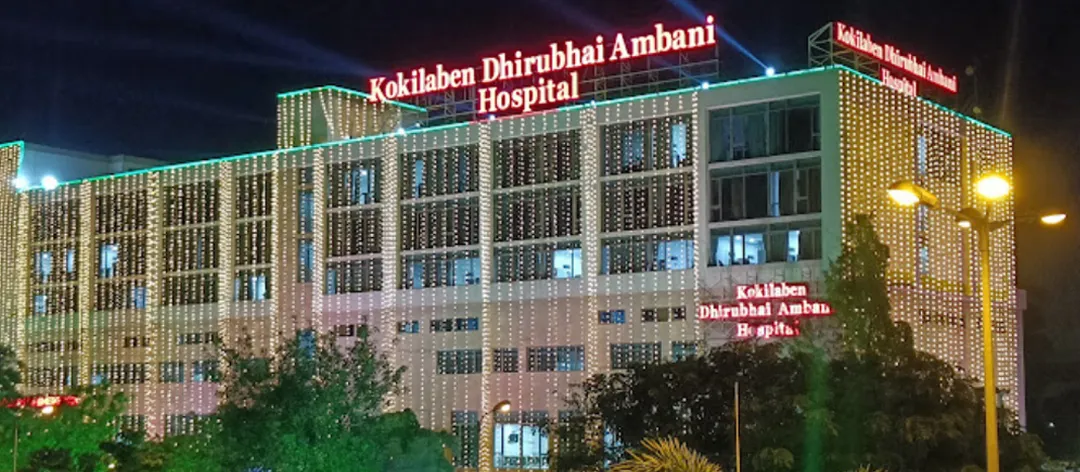
Kokilaben Hospital in Mumbai operates a structured bone marrow transplant programme and haemato-oncology unit treating complex leukaemia and lymphoma cases. The hospital is NABH accredited and equipped with dedicated oncology ICUs.
Serving patients from more than 70 countries, Kokilaben provides a full international patient desk, translators and coordinated care. Its Mumbai location also offers logistical convenience for international travellers.
View Hospital Profile
8. Gleneagles Global Hospitals
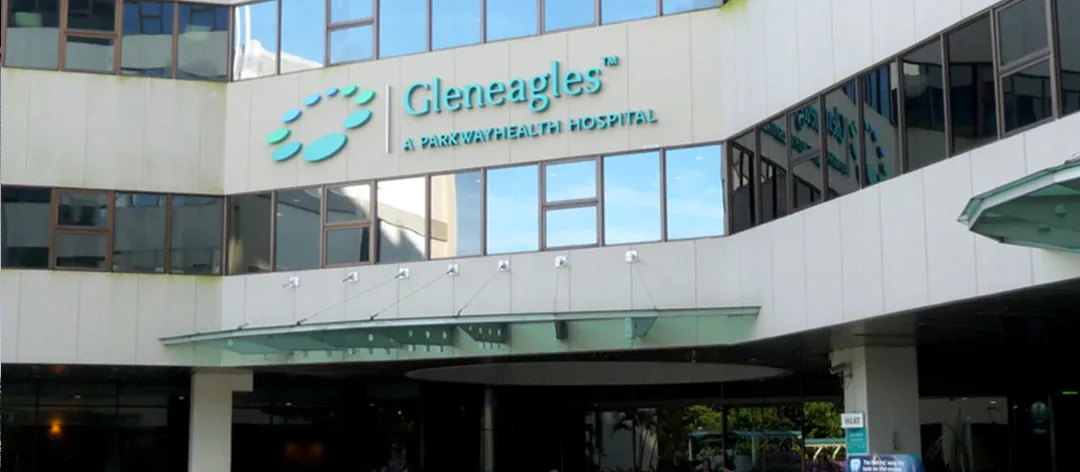
Gleneagles has performed a large number of bone marrow transplants and manages complex blood cancer cases through its haemato-oncology department.
The hospital serves patients from Africa, Southeast Asia and the Middle East, offering visa support and interpreter services. Its transplant experience strengthens its position in CAR T candidate management.
View Hospital Profile
9. Max Super Speciality Hospital
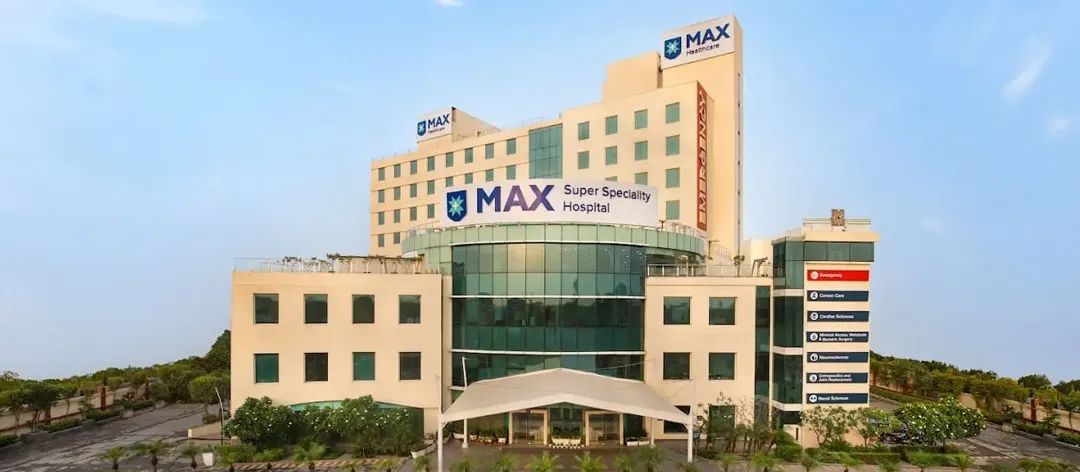
Max Healthcare’s bone marrow transplant programme has performed thousands of transplants across its network, managing relapsed and high-risk leukaemia cases. CAR T therapy is available within its specialised haemato-oncology services. The hospital is NABH accredited and equipped with transplant-level ICUs.
Max treats a strong international patient base and provides 24-hour international coordination, visa letters and structured cost estimates. Its scale and transplant expertise support CAR T delivery.
View Hospital Profile
10. Yashoda Hospitals – Hyderabad
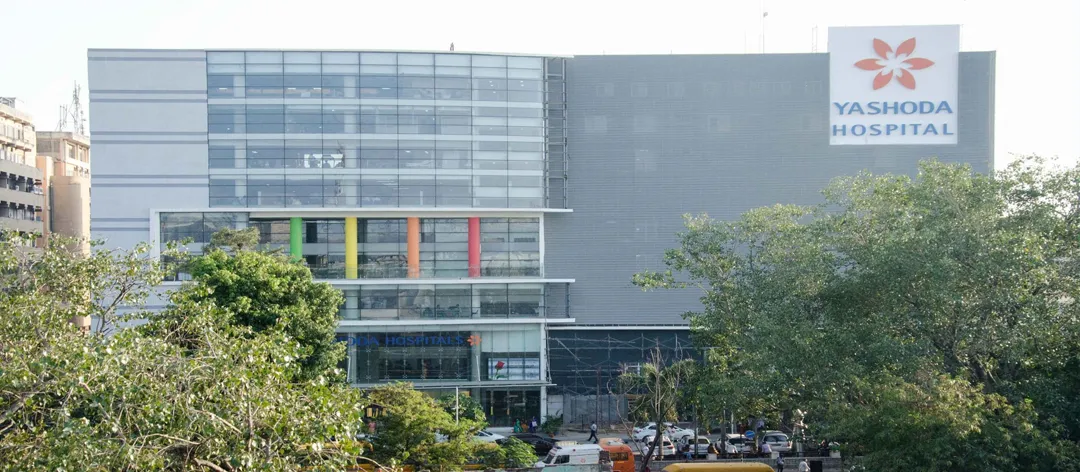
Yashoda Hospitals operates one of the largest transplant programmes in Hyderabad, managing complex blood cancers and offering CAR T therapy within its haemato-oncology department.
The hospital treats international patients from over 30 countries, offering visa assistance, interpreters and structured oncology pathways.
Its strength lies in transplant volume and cost competitiveness.
View Hospital Profile
What Types of Blood Cancers Can Be Treated with CAR T Cell Therapy?

CAR T cell therapy in India is recommended when standard chemotherapy, targeted therapy or even stem cell transplant has failed.
CAR T therapy is most used for:
• Acute Lymphoblastic Leukaemia (ALL)
Especially relapsed or refractory B-cell ALL in children and adults. Clinical studies have reported high remission rates in patients who did not respond to multiple prior treatments.
• Diffuse Large B-Cell Lymphoma (DLBCL)
Used in aggressive non-Hodgkin lymphoma that returns after chemotherapy or transplant. Many patients who relapse after second-line therapy are evaluated for CAR T.
• Mantle Cell Lymphoma
Considered in relapsed or high-risk cases where targeted therapy and chemotherapy are no longer effective.
• Follicular Lymphoma
Used in advanced or multiply relapsed disease when standard therapies fail to control progression.
• Multiple Myeloma
CAR T therapies targeting BCMA are used in relapsed or refractory multiple myeloma after several prior lines of treatment.
In most cases, CAR T therapy in India is offered within specialised haemato-oncology and bone marrow transplant units, where patients are carefully evaluated for eligibility.
What Is the Cost of CAR T Cell Therapy in India?

The cost of CAR T cell therapy in India ranges from USD 80,000 to 300,000 depending on the hospital, treatment plan, ICU requirements and complications.
Based on hospital-issued estimates:
- Initial clinical evaluation may range from USD 1,000 to 4,000
- If CAR T therapy is required:
- Some centres estimate around USD 75,000
- Others estimate USD 100,000 in a single-room setting
What Does the CAR T Therapy Cost Include?
CAR T treatment pricing in India usually covers:
- Apheresis – collection of your T cells
- Cell engineering and manufacturing – genetic modification of T cells
- Lymphodepleting chemotherapy before infusion
- Hospitalisation and monitoring (often 1 to 2 weeks inpatient)
- Management of side effects, including cytokine release syndrome
- Doctor’s professional fees
- Inpatient medications and meals
Some hospitals also include:
- Airport transfers
- Visa invitation letters
- International patient coordination support
The final cost depends on:
- Type of CAR T product used
- Disease severity and prior treatment history
- Need for intensive care unit monitoring
- Occurrence of complications
- Length of hospital stay
- Room category selected
- Whether bone marrow transplant is combined with CAR T
For international patients, the typical stay in India ranges from 3 to 6 weeks, including evaluation, infusion and monitoring.
What Is the Step-by-Step Process of CAR T Cell Therapy?

CAR T cell therapy for blood cancer is delivered within haemato-oncology and bone marrow transplant units equipped for intensive monitoring.
1. Evaluation and Eligibility Testing
A haemato-oncologist reviews your diagnosis, prior treatments and organ function.
Blood tests, imaging and sometimes bone marrow studies confirm whether CAR T therapy is appropriate for relapsed or refractory leukaemia, lymphoma or multiple myeloma.
2. T Cell Collection via Apheresis
Your T cells, a type of immune cell, are collected from your blood through a process called apheresis.
This separates immune cells and returns the rest of the blood to your body. Takes a few hours and does not require surgery.
3. Genetic Modification in the Laboratory
In a regulated cellular therapy laboratory, the collected T cells are modified to produce chimeric antigen receptors, or CARs.
These receptors help the cells recognise specific proteins on cancer cells, such as CD19 in many leukaemias and lymphomas or BCMA in multiple myeloma.
4. Lymphodepleting Chemotherapy
Before the modified cells are infused, you receive a short course of chemotherapy.
This reduces existing immune cells and creates space for the CAR T cells to expand and function effectively.
5. CAR T Cell Infusion
The engineered cells are infused back into your bloodstream through an intravenous line.
The infusion itself often takes less than an hour. From this point, the CAR T cells begin identifying and attacking cancer cells.
6. Monitoring for Side Effects
Patients are closely observed for 1 to 2 weeks, often within transplant-level units.
Doctors monitor for complications such as cytokine release syndrome, which is an immune reaction that can cause fever and low blood pressure, and neurotoxicity, which may affect speech or alertness.
7. Recovery and Follow-Up
After discharge, regular blood tests and scans assess response. International patients receiving CAR T therapy in India often remain in the country for 3 to 6 weeks in total to ensure stable recovery before travelling home.
Plan my medical trip to India for CAR T therapy
How Does My 1Health Support Patients Travelling to India for CAR T Therapy?

My 1Health works directly with leading cancer hospitals in India to help you access care smoothly.
Our partnerships are with the hospitals themselves, and we do not charge additional service fees for patients treated at the partner hospitals mentioned in this guide.
Our role is to reduce uncertainty so you can focus on treatment.
Before You Travel
- Hospital selection based on your cancer type
We match you with the most suitable haemato-oncology centre for CAR T therapy in India based on diagnosis, prior treatments and clinical complexity. - Medical report review and second opinion
Your reports are reviewed by specialist teams. You can request a second medical opinion from leading blood cancer experts before committing to travel. - Online video consultation
Speak directly with the treating oncologist to understand eligibility, risks, success rates and expected stay. - Transparent treatment cost estimates
We help you obtain a clear, written estimate covering evaluation, CAR T therapy and hospital stay. - Medical visa guidance and hospital invitation letters
Support with documentation required for Indian medical visas.
During Your Stay in India

- Appointment scheduling and treatment coordination
We liaise with the hospital’s cellular therapy and transplant teams to streamline admissions and procedures. - Airport transfers and accommodation support
Assistance with hotel booking near the hospital and organised airport pick-up. - Language support at partner hospitals
Coordination of interpreters where needed. - Communication with your treating oncologist
We help ensure you and your family stay informed throughout the CAR T treatment process.
After Treatment
- Post-treatment follow-up coordination
Continued communication with the hospital team once you return home. - Access to medical reports
We help you obtain complete documentation for your local doctor. - Support for future visits if required
If follow-up care or reassessment is needed, we help organise the process.
Our focus is clarity, coordination and continuity of care, without adding financial burden through extra service fees.